How to Choose Sofa Material: A Practical Buyer’s Guide
The best way to choose sofa material is to match it to your lifestyle first, not your Pinterest board. Got kids or pets? Go for performance fabric or top-grain leather. Living solo in a quiet apartment? You can safely play with linen, velvet, or other softer picks.
Here’s the thing: the “best” sofa material doesn’t really exist. We researched dozens of fabric and leather options and found that durability, cleanability, and comfort matter way more than what’s trendy right now. Many experts say your sofa is one of the most-used pieces of furniture you’ll own, so a little planning now saves a lot of regret later.
- Match the material to your household — kids and pets need tougher stuff.
- Performance fabrics and top-grain leather are the easiest to clean.
- Linen and velvet look great but stain fast and need gentle care.
- Leather softens and ages well, but it can scratch and cost more upfront.
- Always check the abrasion rating and ask for a swatch before you buy.
So, where do you even start? Below, we break down every popular sofa material, who it’s best for, and the simple questions that’ll point you to the right pick. Let’s dig in.
Picking the Right Sofa Material for Your Home
The fastest way to choose well is to match the material to your daily life, then narrow down by look and budget. Start with how you actually live, not how you wish you lived.
Start With These Five Questions
Before you fall in love with a swatch, ask yourself a few honest questions. We found that buyers who answer these first end up far happier with their sofas.
- Do kids, pets, or messy snacks share this space with you?
- Is this your everyday sofa or a rarely used sitting room piece?
- How much time will you realistically spend cleaning it?
- Do you run hot or have sensitive skin or allergies?
- What’s your true budget, including cleaning products and covers?
Write your answers down. Seriously, grab a sticky note. When a gorgeous velvet sectional whispers your name in the showroom, that little note keeps you honest.
The Most Popular Sofa Materials, Broken Down
Each material has a personality. Some are low-maintenance roommates; others are beautiful but needy. Here’s who’s who.
Performance Fabrics
Performance fabric is engineered to resist stains, water, and wear. Many brands treat the fibers or weave them tightly so spills bead up instead of soaking in. For busy households, we found this is usually the safest all-around pick.
It’s not magic, though. Blot spills fast, and skip harsh chemicals that can void the finish. Think of it as a rain jacket: tough, but not invincible.
Leather
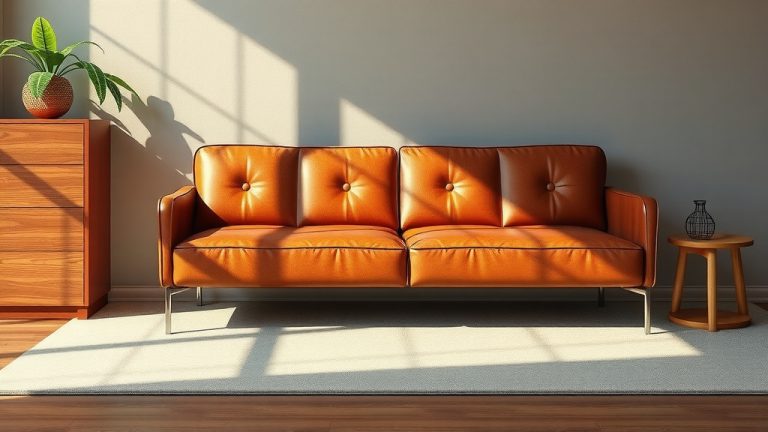
Leather ages like a good baseball glove. It softens, develops character, and wipes clean with a damp cloth. Top-grain leather is the sweet spot for most buyers: durable, smoother than full-grain, and cheaper.
The trade-offs? It scratches, it can feel sticky in summer, and it costs more upfront. Pet claws are its natural enemy, so cat owners, proceed with caution.
Natural Fabrics: Linen and Cotton
Linen and cotton look relaxed and breathable. They’re the materials you picture in a bright, airy living room. Many experts say natural fibers feel cooler than synthetics, which helps if you run warm (Mayo Clinic notes breathable fabrics can reduce skin irritation for sensitive folks).
Linen
Linen is strong for a natural fiber, but it wrinkles and stains easily. Water can leave rings. If you choose it, pick a lighter color you can treat with a fabric protector, or accept a lived-in look.
Cotton
Cotton is soft, affordable, and forgiving in style. The catch: untreated cotton absorbs spills like a sponge. Look for a tight weave and a high thread count to slow things down.
Velvet and Boucle
Velvet is having a moment, and honestly, it photographs beautifully. Modern synthetic velvet (usually polyester) is more stain-resistant than the silk versions of the past. Boucle, that nubby looped fabric, is cozy but snags on claws and jewelry.
Both are best for lower-traffic rooms. A velvet sofa in a formal living room? Lovely. A velvet sofa under a toddler with a juice box? Brave. If you’re weighing the trade-offs, our guide to velvet sofa wear shows what years of use actually look like.
Quick Comparison: Which Material Fits Your Life?
Here’s a simple side-by-side so you can see it all in one glance.
| Material | Best For | Cleaning Ease | Watch Out For |
|---|---|---|---|
| Performance fabric | Kids, pets, everyday use | Very easy | Can look less “natural” |
| Top-grain leather | Long-term investment | Easy (wipe clean) | Scratches, price, heat |
| Linen | Low-traffic, styled rooms | Tricky | Wrinkles, water rings |
| Cotton | Budget-friendly comfort | Moderate | Absorbs spills fast |
| Velvet | Statement pieces | Moderate | Crush marks, pet hair |
| Boucle | Cozy, decorative spaces | Hard | Snags and pulls |
Durability Ratings, Explained Simply
Ever seen “double rubs” or “Martindale” on a fabric tag? It sounds technical, but it’s just a rub test that measures how many back-and-forth abrasions a fabric survives before showing wear.
As a rough rule many in the industry use: 15,000 double rubs or more suits light home use, while 30,000+ handles heavy daily seating. Higher numbers mean tougher fabric. Ask the seller for the rating; if they can’t tell you, that’s an answer too.
If You Have Kids or Pets
Mess is inevitable, so build for it. Dark or mid-tone colors hide stains better than white or cream. Removable, washable covers are worth their weight in gold.
For health matters, regular cleaning matters more than fabric type. The CDC notes that routine vacuuming and prompt spill cleanup help reduce allergens and germs in the home. Vacuum your sofa weekly, even if it “looks fine.”
And a tiny confession from our research: we found that many pet owners eventually stop fighting the fur and just choose a fabric that matches their pet. Smart. Stubborn, but smart.

Care and Cleaning, Without the Panic
Every material has a different cleaning rhythm. The good news? None of it is hard once you know the routine.
- Performance fabric: blot spills, vacuum weekly, follow the brand’s care code.
- Leather: dust with a dry cloth, condition a few times a year.
- Linen and cotton: treat stains immediately; consider professional cleaning yearly.
- Velvet: brush gently to lift the pile; avoid soaking it.
Always check the manufacturer’s tag first. Those little letter codes (W, S, WS, X) tell you what cleaners are safe. Ignoring them is how warranties die.
Budget Reality Check
Here’s the honest math. A quality sofa should last seven to fifteen years, so think cost-per-year, not sticker price. A $2,000 sofa over ten years costs less annually than a $600 one that sags in three.
Performance fabric and good leather sit at the higher end. Cotton and polyester blends are friendlier to your wallet. If money’s tight, prioritize frame and cushion quality over trendy fabric, then add a washable throw for protection.
Before You Buy: The Swatch Test
Never skip the swatch. Colors shift on screens, and photos lie about texture. Order samples, tape them to your wall, and live with them for a few days.
Do the spill test too. Dab a little water on the swatch and see what happens. Then press it against your cheek; your skin will tell you things a product page never will.
One last tip from our research: check the seat depth and cushion firmness in person whenever you can. Fabric gets all the glory, but comfort is what you’ll actually feel every single night.
Conclusion
Choosing a sofa material comes down to one simple truth: your real life beats your dream aesthetic every time. We found that the happiest buyers start with their household, check durability ratings like double rubs, and never order without touching a swatch first. Performance fabrics and top-grain leather reward busy homes, while linen and velvet shine in calmer spaces. And remember, a slightly bigger budget spent now often costs less per year than a cheap sofa replaced in three. Your next step is easy: grab that sticky note, answer the five lifestyle questions, and order two or three swatches this week. Your future self — the one not scrubbing juice stains — will thank you.
Frequently Asked Questions
What is the most durable sofa fabric for everyday use?
Performance fabrics and tightly woven microfiber tend to hold up best under daily wear. Look for a rating of 30,000+ double rubs if the sofa will see heavy use. We found these options handle kids, pets, and movie nights far better than delicate weaves.
Is a leather sofa worth the higher price?
For many people, yes — especially if you plan to keep the sofa for a decade or more. Leather wipes clean easily and tends to look better with age. Just budget for occasional conditioning, and think twice if your cat treats furniture like a scratching post.
What color sofa hides stains and pet hair best?
Mid-tone shades like gray, taupe, and brown hide everyday mess better than white or black. Interestingly, very dark fabrics can show pet hair and dust just as much as light ones. A fabric that matches your pet’s color is a sneaky-smart trick many owners swear by.
How can I tell if a sofa fabric is good quality before buying?
Ask the seller for the abrasion rating and the fabric’s content — a vague answer is a red flag. Feel the weave; tight and dense usually means stronger. Then order a swatch and run your own spill test at home before committing.
Can I put a washable cover on any sofa?
Not always. Removable covers depend on how the sofa is constructed, so check before you buy if washability matters to you. Some brands offer slipcover-ready frames, which we found to be a lifesaver for households with young kids or messy pets.