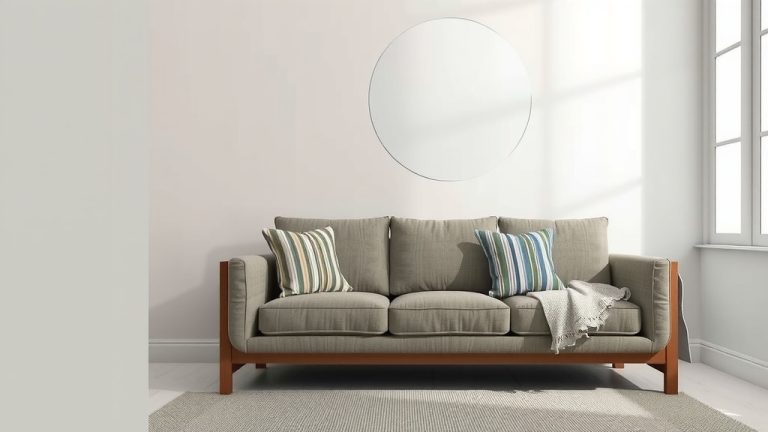
How Much Fabric for a Sofa Slipcover?
Figuring out how much fabric you need for a sofa slipcover can feel like a puzzle. Generally, you’ll need about 7 to 15 yards of fabric, depending on your sofa’s size and shape. This covers the cushions, arms, back, and skirts. It’s always better to have a little extra fabric than not enough.
Getting the right amount means your slipcover will fit snugly and look fantastic. We’ve found that many DIYers underestimate the fabric required, especially for larger or more complex sofa designs. Considering factors like fabric pattern repeat and shrinkage can also impact your final yardage calculation.
- It’s not a one-size-fits-all answer.
- Most sofas need 7-15 yards of fabric.
- Larger sofas and more complex shapes require more material. For complex shapes, our guide on how to measure a corner sofa can help.
- Factor in pattern repeat and potential shrinkage.
- Always buy a bit extra for adjustments.
Let’s break down exactly how to estimate the fabric you’ll need for your specific sofa, making sure you get the perfect fit.
Calculating Fabric for Your Sofa Slipcover
Estimating the yardage for a sofa slipcover is a bit like baking a cake. You need the right amount of ingredients to get a delicious result. For most standard sofas, you’ll likely need between 7 and 15 yards of fabric. This range accounts for all the parts that make up your sofa’s exterior.
It’s important to remember that this isn’t a rigid rule. Factors like your sofa’s size, shape, and the type of fabric you choose will influence the final number. Don’t worry; we’ll walk you through how to measure and calculate your needs precisely.
The Essential Sofa Measurements
Before you buy a single yard of fabric, you need to get your tape measure out. Accurate measurements are the foundation of a well-fitting slipcover. You’ll be measuring several key areas of your sofa.
Overall Dimensions
Start by measuring the overall height, width, and depth of your sofa. Measure from the floor to the highest point, side to side, and front to back. These broad strokes give you a general idea of the scale you’re working with.
Cushion Measurements
Next, focus on the seat and back cushions. Measure the length, width, and thickness of each cushion individually. If you have multiple cushions, measure them all. It’s crucial to get these exact measurements for a snug fit. You’ll need fabric for the top, bottom, and sides of each cushion.
Arm and Back Panels
Now, let’s measure the arms and the back. Measure the height and width of each sofa arm from front to back. Then, measure the entire back of the sofa, from one side to the other, and from the top to the bottom. Don’t forget to account for any skirt or decorative elements.
Estimating Fabric Yardage: A Step-by-Step Guide
Once you have your measurements, you can start to calculate the fabric needed. Think of this as creating a pattern for your slipcover. You’ll want to account for every surface that needs covering.
Basic Calculation Method
A common approach is to add up all your major measurements. For a typical three-cushion sofa, you might add the width of the sofa, the depth, and the height. Then, multiply these numbers by a factor, often around 2 or 3, to account for all sides and seams. This gives you a rough estimate in square inches.
Convert your square inches to square yards by dividing by 1296 (36 inches x 36 inches). We found that this method can be a bit too simplified for complex sofa shapes. It’s better to think about each piece individually.
Accounting for Seams and Overlap
You’ll need extra fabric for seams and generous overlaps. Seams allow you to join different fabric pieces together. Overlaps ensure the slipcover stays in place and looks neat. We suggest adding about 1 to 2 inches for each seam allowance.
For areas where fabric needs to wrap around corners or tuck in, add a few extra inches. This ensures you have enough fabric to work with when you’re actually sewing.
Considering Fabric Width
The width of your fabric is a major player in how much yardage you’ll need. Fabric typically comes in standard widths, such as 45 inches, 54 inches, or 60 inches. Wider fabrics often mean you’ll need fewer yards because you can cover larger sections in one piece.
For example, if your sofa is 80 inches wide and your fabric is 54 inches wide, you’ll need to piece together sections. This uses more fabric than if you had wider material. We’ve found that 54-inch wide fabric is quite common and works well for many projects.
Fabric Types and Their Impact on Yardage
The type of fabric you select can also affect your calculations. Some fabrics are more forgiving than others. The drape and weight of the material matter.
Stretch vs. Non-Stretch Fabrics
Stretch fabrics, like knits or spandex blends, can be more forgiving. They often allow for a tighter fit and might require slightly less yardage because they can conform to the sofa’s shape. Non-stretch fabrics, such as linen or cotton duck, require more precision. You’ll need to ensure a generous fit to get them over the sofa.
The Role of Pattern Repeat
If you’ve chosen a fabric with a large or bold pattern, you’ll need to account for the pattern repeat. This is the distance before the pattern starts over. You need to align these patterns across different sections of the slipcover, especially on the front panels and cushions.
We found that for fabrics with a significant pattern repeat, you might need an additional 1 to 3 yards of fabric. This ensures your pattern looks cohesive and intentional, not haphazard. Always check the fabric’s specifications for its repeat size.
Shrinkage Considerations
Some natural fibers, like cotton and linen, are prone to shrinkage when washed. If you plan to wash your slipcover, it’s wise to pre-wash your fabric before cutting. This allows it to shrink first. You might want to add an extra 5-10% to your total yardage to account for any potential shrinkage, especially if you’re concerned about the fit after washing.

Sofa Size Categories and Fabric Estimates
To give you a clearer picture, let’s look at some general estimates based on sofa size. These are starting points, and your specific sofa might vary. This table provides a helpful guide.
| Sofa Size | Estimated Fabric Yardage (54″ wide fabric) | Notes |
|---|---|---|
| Loveseat (approx. 50-60″ wide) | 7-9 yards | Tends to be more compact. |
| Standard Sofa (approx. 70-80″ wide) | 9-12 yards | Our most common estimate. |
| Large Sofa / Sectional Piece (approx. 85″+ wide) | 12-15+ yards | Requires substantial material. |
| Oversized Armchair | 4-6 yards | A good estimate for a single chair. |
Remember, these are rough guidelines. A sofa with a deep seat, tall back, or elaborate skirt will always demand more fabric than one with a simpler design.
A Quick Checklist for Your Fabric Purchase
To ensure you don’t end up with too little fabric, keep this handy checklist in mind:
- Measure your sofa accurately.
- Calculate for seams and overlaps (add extra).
- Consider your fabric’s width.
- Factor in pattern repeat if applicable.
- Account for potential shrinkage.
- Always buy a little extra – better safe than sorry!
By taking these steps, you’ll feel much more confident about purchasing the right amount of fabric for your DIY slipcover project. A well-measured slipcover is a beautiful slipcover!
Conclusion
You’ve got this! Estimating the right amount of fabric for your sofa slipcover is totally achievable. Remember that careful measuring is your best friend here. Don’t forget to factor in your fabric’s width, any pattern repeats, and potential shrinkage. It’s always a smart move to buy a little extra yardage. This ensures you have enough for seamless construction and perfect fit.
Now that you have a solid plan, take those measurements and confidently head to the fabric store. Your newly slipcovered sofa awaits!
Frequently Asked Questions
What’s the easiest way to estimate fabric if my sofa is an unusual shape?
For unique sofa shapes, it’s best to measure each major section (like seat, back, arms, skirt) individually. Add up these measurements, then add extra for seams and wraps. We found that breaking it down piece by piece prevents guesswork.
Do I really need to pre-wash my fabric?
Yes, especially if your fabric is a natural fiber like cotton or linen. Pre-washing accounts for shrinkage before you cut. This ensures your finished slipcover won’t be too tight after its first wash.
How much extra fabric should I get for a large pattern repeat?
We recommend adding an extra 1 to 3 yards for fabrics with large pattern repeats. This allows you to perfectly align the pattern across all your slipcover panels for a professional look.
Will a stretch fabric require less material than a non-stretch fabric?
Generally, yes. Stretch fabrics can conform more closely to the sofa’s shape and may need slightly less yardage than non-stretch materials. Non-stretch fabrics often need a bit more room for a good fit.
Can I use fabric remnants or smaller pieces for my slipcover?
While you might be able to piece together smaller sections, it’s generally not recommended for the main areas of a slipcover. Using fabric from the same bolt ensures color consistency and a cohesive look.