How to Clean a Sofa Without Water: Easy Dry Methods
The easiest way to clean a sofa without water is to vacuum it thoroughly, then spot-treat stains with a dry cleaning solvent or baking soda. You can also use dry foam cleaners and a soft brush to lift dirt without soaking the fabric. That’s it — no soggy cushions, no long drying times.
Maybe your sofa’s tag says “dry clean only,” or you just spilled something and panicked at the thought of a water stain. Either way, we get it. Water can leave rings, shrink fabric, and cause mold if it soaks in too deep. We researched what cleaning experts recommend and found several water-free methods that work for most fabrics, from microfiber to delicate upholstery.
Here’s the quick version before we dig in:
- Vacuum first — it removes loose dirt, crumbs, and pet hair so nothing gets pushed deeper.
- Baking soda absorbs odors and lifts light grime when sprinkled on and brushed off.
- Dry cleaning solvents handle stubborn stains without adding moisture.
- Dry foam cleaners give a deeper clean with barely any liquid.
- Always test first — check any product on a hidden spot before using it everywhere.
Below, we break down exactly how to clean your sofa without water, step by step — including which methods work best for different fabrics.
Cleaning Your Sofa Without Water: Step-by-Step
Start by vacuuming the entire sofa, then work through dry methods like baking soda, dry solvent, or foam. Each step builds on the one before it. Skip a step, and you might just grind dirt deeper into the fabric.
Step 1: Vacuum Everything, Including the Crevices
Grab your vacuum with the upholstery attachment and go over every cushion, seam, and crevice. Crumbs love hiding in those seams like they pay rent there. Many experts recommend vacuuming first because loose dirt can turn into mud if you add any cleaner later.
Don’t forget the back of the sofa, the under the cushions zone, and the sides. We found that most “mystery smells” come from those forgotten spots.
Step 2: Freshen and Deodorize with Baking Soda
Sprinkle a light layer of baking soda over the whole sofa. Let it sit for 15 to 30 minutes. Baking soda absorbs odors instead of masking them, which is why it’s a favorite among cleaning pros.
Then vacuum it all up. That’s it. Your sofa will smell noticeably fresher without a single drop of water.
Step 3: Spot-Treat Stains with a Dry Solvent
For actual stains, you’ll need a dry cleaning solvent made for upholstery. These are water-free products sold at most grocery and hardware stores. Many experts suggest dabbing, never rubbing, so you don’t spread the stain or rough up the fibers.
How to Apply It the Right Way
Here’s the routine we found works best:
- Test first on a hidden spot, like the back corner near the floor.
- Apply solvent to a clean white cloth, never straight onto the fabric.
- Blot the stain from the outside edge toward the center.
- Switch to a clean section of cloth as the stain lifts.
- Let the area air dry completely before sitting on it.
Rubbing is the enemy here. Think of it like trying to fix your hair with a leaf blower — aggressive tools make things worse.
Step 4: Try a Dry Foam Cleaner for Deeper Cleaning
If the whole sofa needs more than spot-treating, a dry foam cleaner is your friend. It’s mostly air with just enough moisture to lift dirt. Because there’s barely any liquid, there’s almost no risk of water rings or long drying times.
Follow the product directions, work in small sections, and vacuum once the foam dries. This step is what many experts call a middle ground between spot-cleaning and full wet shampooing.
Best Water-Free Methods by Fabric Type
Not all upholstery tolerates the same treatment. Check the care tag first — those little letters actually mean something. Here’s a quick guide we put together:
| Fabric Type | Tag Code | Best Water-Free Method |
|---|---|---|
| Microfiber | W or S | Vacuum plus dry brush; solvent if needed |
| Velvet or chenille | S | Dry solvent only, blot gently |
| Leather | N/A | Dry microfiber cloth; skip solvents |
| Silk or wool blends | X or S | Vacuum only, or call a pro |
| Synthetics | W | Dry foam cleaner works well |
If your tag says “X,” that means vacuum only — no liquids or solvents at all. Better safe than a ruined couch.
Removing Common Stains Without Water
Different spills need different tactics. Here’s what we found for the usual suspects.
Grease and Oil Stains
Sprinkle cornstarch or baking soda on the spot right away. Let it sit for a few hours to soak up the oil, then vacuum. Follow with a dry solvent if a shadow remains. Acting fast matters — the longer oil sits, the deeper it sinks.
Ink and Marker Marks
Dab the spot with a cloth lightly dampened with rubbing alcohol, then blot dry immediately. Keep it minimal. Too much alcohol counts as moisture and can leave a ring on delicate fabrics.
Pet Hair and Dander
A lint roller or dry rubber glove works wonders. Run the glove over the cushions and watch the hair ball up. Pet dander can trigger allergies, so frequent vacuuming helps (per CDC guidance on allergen control).
Keeping Your Sofa Fresh Between Cleanings
A little routine goes a long way. Here’s a simple checklist to keep things from getting grim in the first place:
- Vacuum weekly — crumbs multiply when you look away.
- Rotate cushions every couple of weeks for even wear.
- Blot spills immediately with a dry cloth, no water needed.
- Open windows now and then to keep air moving.
- Keep snacks off the couch (we know, we’re sorry).
- Deep clean with dry foam every few months.
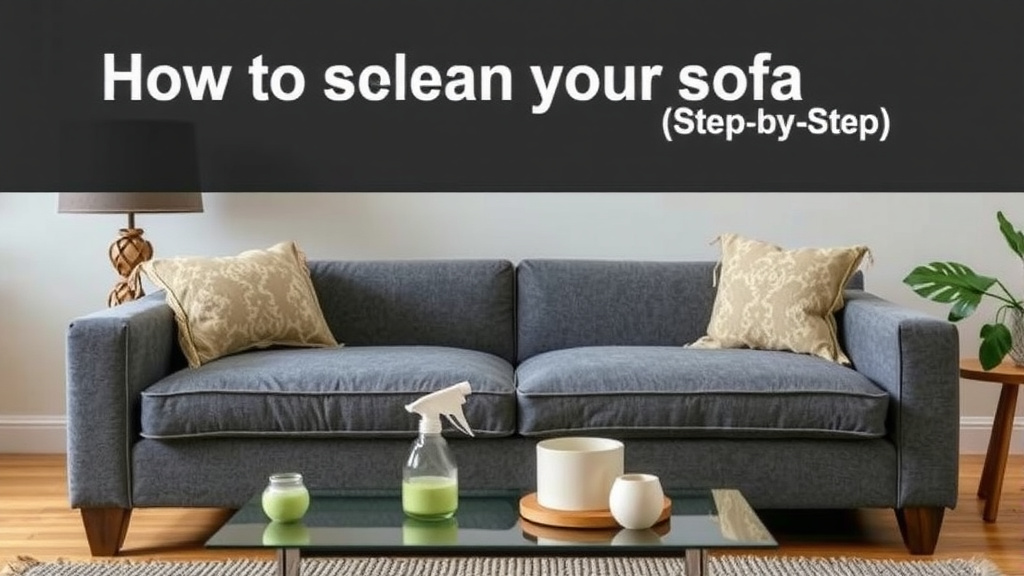
Mistakes to Avoid When Cleaning Dry
Even with good intentions, a few missteps can wreck your upholstery. Watch out for these:
Skipping the Patch Test
We can’t say this enough. Every fabric reacts differently, and solvents can cause discoloration. A five-minute hidden-spot test can save a $1,000 sofa.
Over-Saturating with Solvent
More product doesn’t mean more clean. Soaked fabric takes longer to dry, and trapped moisture can lead to mold and mildew growth, which the EPA warns about for indoor furnishings. Use a light hand.
Using Harsh Brushes
Stiff bristles can snag and fray delicate weaves. Stick with a soft-bristle brush and gentle strokes. Your sofa’s fabric is dressier than your old gym towel — treat it accordingly.
When to Call a Professional Cleaner
Sometimes DIY isn’t the move. If your sofa is silk, vintage, heavily stained, or carries an “X” code, a professional upholstery cleaner is worth every penny. They have industrial dry-cleaning equipment that home products can’t match. We found that most pros charge a few hundred dollars for a full sofa — far less than replacing it.
Conclusion
Cleaning your sofa without water doesn’t have to be complicated. Vacuum first, sprinkle on some baking soda, blot stains with a dry solvent, and finish with a dry foam cleaner if things need a deeper refresh. Always check that care tag, test in a hidden spot, and never rub — blotting is your best friend. When we researched these methods, we found the biggest wins come from small habits: quick spill blotting and weekly vacuuming.
Your next step is simple: flip a cushion and read that tag. Then grab your vacuum’s upholstery attachment and give your sofa five minutes today. It’ll thank you with years of fresher, cleaner lounging.
Frequently Asked Questions
Can I use rubbing alcohol to clean my whole sofa?
Rubbing alcohol works best as a spot treatment, not an all-over cleaner. It evaporates fast, which makes it gentler on fabrics than water, but it can still dry out or discolor certain materials. We recommend dabbing it only on stains and only after a patch test on a hidden area.
How often should I dry clean my sofa at home?
For most households, a light dry clean every three to six months is plenty. If you have kids, pets, or frequent couch snackers, bump it up to every couple of months. Regular weekly vacuuming keeps the gaps between deep cleans easy to manage.
What if my sofa has no care tag at all?
Check underneath the cushions, the base, or the manufacturer’s paperwork — tags love to hide. If you truly can’t find one, play it safe with vacuuming and baking soda only. Solvents and foams should wait until you know the fabric, or until a pro can identify it for you.
Does baking soda really remove couch odors?
Yes, and it’s one of the cheapest tools you can use. Baking soda absorbs odor molecules rather than covering them up with fragrance. For tougher smells like pet odors, let it sit closer to an hour before vacuuming it up. For tougher pet odors that baking soda alone can’t fix, our urine smell removal guide covers enzymatic cleaners.
Will dry cleaning methods remove old, set-in stains?
Sometimes, but we’ll be honest with you — older stains are the toughest to lift. A dry solvent can fade many set-in spots after a couple of patient treatments. If the stain has been there for months or has bleached the dye, a professional cleaner is your best bet.