How to Clean an Old Leather Sofa: A Step-by-Step Guide
The easiest way to clean an old leather sofa is to vacuum it gently, wipe it down with a damp cloth and mild soap, then apply a leather conditioner to bring back moisture and shine. That’s it. No fancy products, no scrubbing marathons, and no panic if you spot a crack or two.
Older leather needs a softer touch than new leather. Over the years, it loses natural oils, which makes it dry, stiff, and easier to damage. We looked into what cleaning pros recommend, and we found that gentle cleaning plus regular conditioning can add years of life to a well-loved couch. Many experts say harsh cleaners are the number one mistake people make, so we’ll help you steer clear of those too.
- Vacuum with a soft brush attachment to remove dust and crumbs.
- Wipe the surface with a damp cloth and a small amount of mild soap.
- Test any cleaner on a hidden spot first to avoid stains.
- Apply leather conditioner once the sofa is fully dry.
- Condition every few months to keep the leather soft and crack-free.
Ready to give your couch a little TLC? Below, we walk you through everything step by step, so your old leather sofa can look and feel its best again.
Cleaning an Old Leather Couch Step by Step
Start with a gentle vacuum, follow with a mild soap wipe-down, and finish with conditioner once everything is dry. The whole process takes about 30 minutes, and your couch will thank you for it.
What You’ll Need Before You Start
Gather your supplies first. Nothing here should break the bank, and you probably own most of it already.
- A vacuum with a soft brush attachment
- Two clean microfiber cloths
- Mild dish soap (like basic unscented dish liquid)
- A bucket of lukewarm water
- A quality leather conditioner
- Distilled water (optional, but great for hard water areas)
One quick warning before we dive in. Avoid anything with bleach, ammonia, or alcohol. These can strip the leather’s finish faster than you can say “oops.”
Step 1: Vacuum Away Dust and Crumbs
Pop the soft brush attachment on your vacuum and go over the whole sofa slowly. Pay extra attention to the crevices between cushions, where crumbs and pet hair love to hide.
Why bother vacuuming first? Because loose grit can scratch the leather when you wipe it later. Think of it like sweeping before mopping. You wouldn’t skip that step on your kitchen floor.
Step 2: Wipe Down With Mild Soap
Mix a few drops of mild dish soap into a bowl of lukewarm water. Dip a cloth in, wring it out well, and wipe the leather in gentle circular motions. The cloth should be damp, not dripping.
Rinse your cloth often so you’re not just smearing dirt around. Then go over everything again with a second cloth dampened in plain water to remove any soap residue.
Why You Must Test First
Before you clean the whole couch, dab your soap solution on a hidden spot, like the back or underneath. Wait a few hours. If there’s no color change or staining, you’re good to go. Many conservation experts recommend this small test for any older material, and leather is no exception.
Older leather can be unpredictable. A test spot takes five minutes and can save your favorite couch from a permanent blotch.
Step 3: Dry It Thoroughly
Pat the surface dry with a clean towel and let it air dry completely. This might take an hour or so.
Here’s the part where we beg you: keep the sofa away from direct heat. No hair dryers, no sunny windows, no radiators. Heat makes leather shrink and crack. Let time do the work instead.
Step 4: Condition the Leather
Once the sofa is bone dry, apply a leather conditioner with a soft cloth. Work it in small circles, just like the cleaning step. Let it soak in as directed on the label, then buff off any extra with a dry cloth.
Conditioning is the step most people skip, and it’s honestly the most important one for older leather. Leather loses natural oils as it ages. Conditioner puts some of that moisture back, which helps prevent the cracks that make old sofas look sad.
Quick Checklist for Every Cleaning Session
- Vacuum with a soft brush first
- Test your cleaner in a hidden spot
- Wipe with damp cloth and mild soap
- Rinse with a clean, water-dampened cloth
- Air dry away from heat and sunlight
- Finish with leather conditioner
How Often Should You Clean and Condition Old Leather?
Clean your sofa about once a month and condition it every three to six months. Dry climates call for more frequent conditioning. If your living room feels like a desert, your couch feels it too.
We found that care schedules vary by leather type, so here’s a simple breakdown to guide you.
| Leather Type | Cleaning Frequency | Conditioning Frequency |
|---|---|---|
| Finished leather | Every 4-6 weeks | Every 3-6 months |
| Aniline (unfinished) leather | Every 2-3 months | Every 2-3 months |
| Suede or nubuck | Brush only | Skip liquid products |
Not sure what type you have? Finished leather feels smooth and slightly shiny. Aniline leather feels softer and more natural, and it soaks up water instantly. If a drop of water disappears right away, treat it gently.
Tackling Tough Stains on Older Leather
The right stain fix depends on what caused it. Here’s how to handle the most common offenders without making things worse.
Ink Marks
Fresh ink can sometimes lift with a small amount of rubbing alcohol on a cotton swab. Dab, don’t rub. Older ink marks are often permanent, and aggressive scrubbing will damage the finish. Many leather care guides suggest a professional for stubborn ink on valuable pieces. Our full guide to removing ink stains from leather walks through the safest methods step by step.
Grease and Oil
Sprinkle a little cornstarch on the spot and let it sit for a few hours. It absorbs the oil, then you brush it away gently. Resist the urge to scrub. That just pushes grease deeper into the pores.
Mildew or Mold
Brush the mold off outside if you can. Then wipe the area with a cloth dampened in a mix of water and a small amount of rubbing alcohol, half and half. Mold cleanup guidance from health agencies stresses ventilation, so open a window while you work.
Water Stains and Rings
Ironically, water can stain water-safe leather. Blot spills immediately, then lightly moisten the whole panel so it dries evenly. Spot-fixing one ring usually creates another.
Mistakes That Can Ruin Old Leather
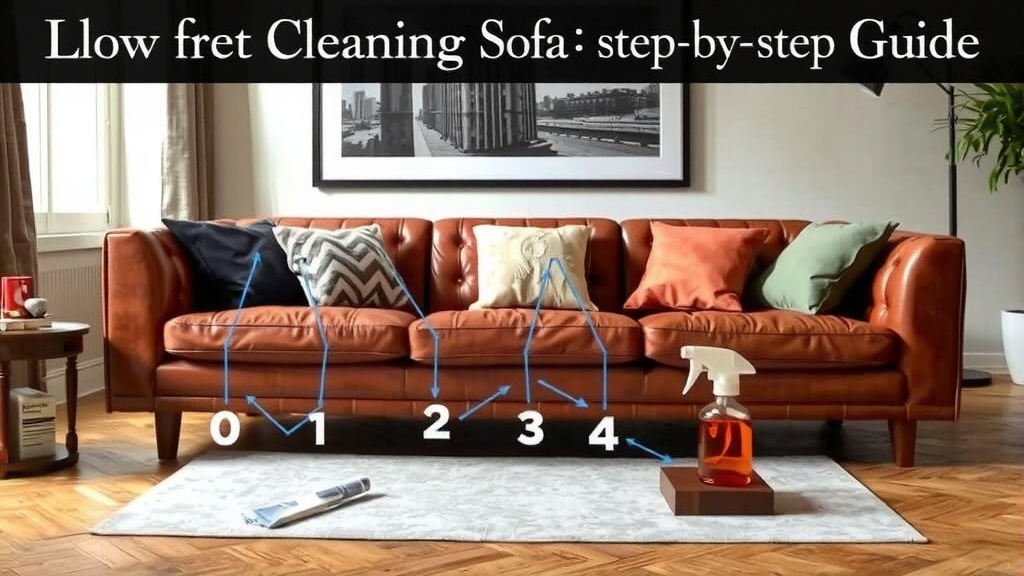
We looked into what professional restorers see most often, and the same slip-ups show up again and again. Avoid these and you’re ahead of the game.
- Using harsh household cleaners, bleach, or vinegar straight
- Saturating the leather with too much water
- Drying with a hair dryer or placing the couch near a heater
- Skipping the spot test on a hidden area
- Using baby wipes, which often contain oils and chemicals that harm leather finishes
- Conditioning a dirty couch, which seals the grime in
That last one trips up a lot of people. Conditioner locks in whatever’s on the surface, so always clean first. It’s like moisturizing without washing your face. Pointless at best, messy at worst.
Keeping Your Leather Sofa Looking Great Between Cleanings
A little routine care goes a long way. Dust the sofa weekly with a dry microfiber cloth so grime never builds up in the first place.
Keep your couch out of direct sunlight, which fades and dries leather over time. If that’s not possible, rotate cushions regularly so wear spreads out evenly. Curtains or blinds during peak sun hours help too.
Watch the humidity in your home. Very dry air pulls moisture out of leather, especially in winter. Some care guides suggest keeping indoor humidity in a moderate range, roughly between 40 and 50 percent, which benefits both your couch and your sinuses.
Finally, wipe up spills the moment they happen. Leather is surprisingly forgiving when you act fast. Give it that quick attention, condition it a few times a year, and an older sofa can easily keep looking dignified for years to come.
Conclusion
Cleaning an old leather sofa doesn’t take a pro or a pile of expensive products. Vacuum gently, wipe with mild soap, dry naturally, and finish with conditioner. Skip the harsh cleaners, always spot test, and stay away from heat. Those simple habits protect leather that’s already seen a few good years.
We researched what experts recommend, and the pattern is clear: a soft touch and steady conditioning beat aggressive scrubbing every time. Your couch has plenty of life left in it if you treat it kindly.
Your next step? Grab your supplies, do that quick spot test, and give your sofa its first gentle clean this weekend. Then mark your calendar for conditioning in three months.
Frequently Asked Questions
Can you restore a badly dried-out leather sofa at home?
You can improve it, but expect limits. A deep conditioning treatment, applied several times over a few weeks, often softens stiff leather and reduces light cracking. Deep splits and peeling usually need a professional restorer, though, since home products can’t rebuild missing material.
Is coconut oil a good substitute for leather conditioner?
We’d steer you away from it. Coconut oil can darken leather permanently and turn rancid over time, leaving a smell behind. A purpose-made conditioner costs about the same and is formulated to soak in without causing damage.
Why does my leather sofa feel sticky after conditioning?
That usually means you applied too much product or didn’t buff off the excess. Wipe the surface with a clean dry cloth using firm pressure to lift the leftover residue. Next time, use a thinner layer and let it absorb fully before buffing.
Can I use leather cleaner meant for car seats on my sofa?
Often yes, but check the label first. Automotive leather is usually finished like furniture leather, so many products overlap. Still, do your spot test in a hidden area, because older furniture leather is more fragile and absorbs products faster.
How do I know if my old leather sofa is real leather or faux leather?
Check the underside or a hidden edge. Real leather shows irregular grain and a fibrous, suede-like backing, while faux leather looks uniform and has a fabric or mesh backing. Real leather also feels warm and slightly uneven, and it absorbs a water drop slowly rather than letting it pool.