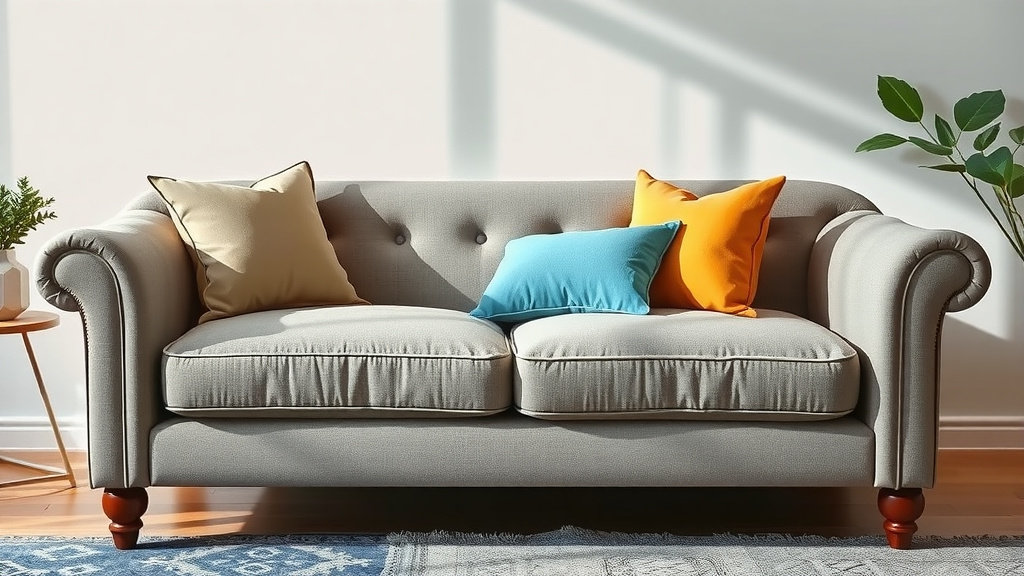
How to Clean and Disinfect a Fabric Sofa the Right Way
The easiest way to clean and disinfect a fabric sofa is to vacuum it thoroughly, spot clean stains with a mild soap solution, and then spritz it with a fabric-safe disinfectant or a mix of water and rubbing alcohol. Let it air dry completely before you sit down. That’s the core of it, and it works for most fabric couches.
Of course, your sofa’s cleaning code matters. Some fabrics love water, others shrink or stain the moment a drop lands on them. So check the tag first — we found that skipping this step is the number one mistake people make. Getting this right protects your upholstery fabric and keeps your couch looking fresh for years.
Here’s the quick version:
- Vacuum first to remove crumbs, dust, and pet hair from every crevice.
- Check the cleaning code (W, S, WS, or X) on your sofa’s tag before using anything wet.
- Spot clean stains with a gentle soap solution or a recommended solvent.
- Disinfect with a fabric-safe spray or diluted rubbing alcohol.
- Air dry fully so you don’t trap moisture and invite mildew.
Ready to rescue your couch from crumbs, spills, and whatever the dog dragged in? Below, we walk you through each step, plus the tools you’ll need and the mistakes to avoid.
Cleaning and Disinfecting Your Fabric Sofa Step by Step
Before you spray anything, grab your tools. Having everything ready makes the job feel less like a chore and more like a 30-minute win.
What You’ll Need
You probably own most of this already. We found that the fanciest upholstery cleaner in the world can’t beat a good vacuum and a little patience.
- Vacuum with an upholstery brush attachment
- Mild dish soap and warm water
- Rubbing alcohol (70% strength)
- Clean microfiber cloths — several, because dirty cloths just smear mess around
- A soft-bristle brush or an old toothbrush
- A fan or open window for faster drying
Step 1: Decode Your Sofa’s Tag
Flip those cushions and hunt for a tag. You’re looking for a letter code, and it tells you exactly what your fabric can handle.
| Code | What It Means | Safe For |
|---|---|---|
| W | Water-based cleaners okay | Soap solutions, steam, water sprays |
| S | Solvent only | Alcohol-based cleaners, no water |
| WS | Either works | Water or solvent cleaners |
| X | Vacuum only | No liquids at all — call a pro |
No tag? Test any cleaner on a hidden spot, like the back edge near the floor. Wait 24 hours. If the fabric looks fine, you’re good to go.
Step 2: Vacuum Every Nook and Cranny
Start with a dry vacuum. This removes crumbs, dust, and pet hair so your cleaning solution attacks stains, not snack debris.
Use the upholstery attachment and go slow. Pull cushions off and vacuum underneath — we found that the space under cushions is where goldfish crackers go to retire. Don’t forget the seams, where dust bunnies like to hide.
Step 3: Spot Clean the Stains
Got a W or WS code? Mix a few drops of dish soap into a cup of warm water. Dip a cloth, wring it out well, and dab — never scrub. Scrubbing pushes stains deeper and can fuzz up the fabric.
For an S-code sofa, use rubbing alcohol on a cloth instead. Blot from the outside of the stain toward the center. That keeps the mess from spreading like a bad rumor.
Tackling Greasy Stains
Oil-based stains need a dry approach first. Sprinkle cornstarch or baking soda on the spot and let it sit for 15 minutes. It soaks up the grease like a sponge. Vacuum it away, then treat what’s left with your soap solution or alcohol.
Dealing with Old, Set-In Stains
Old stains need more soaking time. Apply your cleaner, let it sit for 5 to 10 minutes, then blot again. Repeat a few times if needed. Patience beats elbow grease here.
Step 4: Disinfect the Fabric
Disinfecting kills germs your vacuum can’t touch. Many experts recommend an alcohol-based solution because it evaporates fast and won’t soak the cushion (Cleveland Clinic). Mix equal parts rubbing alcohol and water in a spray bottle, lightly mist the surface, and let it air dry.
Want a store-bought option? Look for a disinfectant spray labeled safe for fabrics. Always spot test first — some sprays leave rings on darker fabrics.
What About Steam Cleaning?
Steam works well on W-code sofas. The heat kills germs and dust mites, and many allergists point to steam as a smart way to reduce mite populations in soft furnishings (Mayo Clinic). Keep the steamer moving and don’t soak the fabric.
Step 5: Let It Dry Completely
Sitting on a damp couch invites mildew, and nobody wants that smell. Point a fan at the sofa or crack a window. Drying usually takes 2 to 4 hours.
Touch test before you flop down. If any spot feels cool or damp, give it more time.
How Often Should You Clean Your Fabric Couch?
Here’s a simple schedule that keeps your sofa in good shape without turning your weekend into a cleaning marathon.
| Task | How Often |
|---|---|
| Vacuum | Weekly |
| Spot clean stains | As they happen |
| Fluff and rotate cushions | Weekly |
| Deep clean and disinfect | Every 3 to 6 months |
Homes with kids or pets? Bump the vacuuming to twice a week. We found that frequent light cleaning beats one giant deep-clean session every year.
Your Quick Sofa Cleaning Checklist
Pin this list to your fridge or save it to your phone. It covers the whole job in six moves.
- Check the tag for a W, S, WS, or X code
- Vacuum cushions, crevices, and underneath
- Spot treat stains with soap solution or alcohol
- Mist with disinfectant and let it sit
- Blot dry with a clean microfiber cloth
- Air dry fully before sitting down
Mistakes That Ruin Fabric Upholstery
Even well-meaning cleaners make these errors. Learn them now and save yourself a very expensive lesson later.
Saturating the Fabric
More water does not mean cleaner. Soaking the foam inside cushions leads to mildew and a smell that lingers like a houseguest who won’t leave. Always use a damp cloth, not a wet one.
Using Bleach or Harsh Cleaners
Bleach can strip color from fabric in seconds. Many upholstery manufacturers warn against it entirely, and the CDC notes that bleach solutions are mainly for hard, nonporous surfaces. Stick to fabric-safe products.
Skipping the Spot Test
Even “gentle” cleaners can react badly with certain dyes. A two-minute test on a hidden spot can save your whole couch. It’s the cheapest insurance in home cleaning.
Sitting Down Too Soon
Warm, damp fabric is a welcome mat for bacteria and mildew. Wait until everything feels completely dry. Your lunch can wait an hour — your couch can’t.
Conclusion
You now have everything you need to tackle your fabric sofa, big or small. Remember that the process is more effective when you take your time. Start by checking the tag for the cleaning code, because that step dictates everything else you will do. By combining deep vacuuming with targeted spot cleaning and a final disinfectant mist, you are keeping your home healthy and looking brand new. Never forget to let your cushions air dry completely before sitting down, so you avoid the dreaded mildew smell. Take action today to give your sofa the fresh, clean space it deserves.
Frequently Asked Questions
Can I use store-bought fabric cleaner on my sofa?
It depends on your sofa’s care tag. Even “gentle” cleaners can sometimes damage or shrink your upholstery. We recommend performing a spot test first by applying the cleaner to a hidden area. If the fabric changes color or feels strange, stick to a simple soap and water solution.
What happens if I don’t have a care tag on my couch?
If there is no tag, you must test any cleaner before using it. Take a small amount of your chosen liquid and apply it lightly to an inconspicuous area. Wait at least 24 hours to observe if the fabric reacts. If it looks good after a day, you can proceed with cleaning your sofa.
Should I ever use a steam cleaner on my fabric sofa?
Steam cleaners work well for certain fabrics, especially those with a “W” (Water) or “WS” (Water and Solvent) code. The heat helps kill dust mites and bacteria in soft furnishings. Always move the steamer constantly and keep it away from soaking the cushion padding.
How long should I let my furniture air dry?
You should wait until the sofa feels completely dry to the touch before you relax on it. Depending on humidity and room temperature, this process usually takes two to four hours. You can speed up drying by opening windows or aiming a fan directly at the fabric.
How often is professional deep cleaning necessary for my couch?
While weekly vacuuming handles surface dirt, professional cleaning is an excellent investment. We found that most households benefit from having a professional clean their fabric sofa every six months. This deep treatment removes grime you simply cannot reach at home.