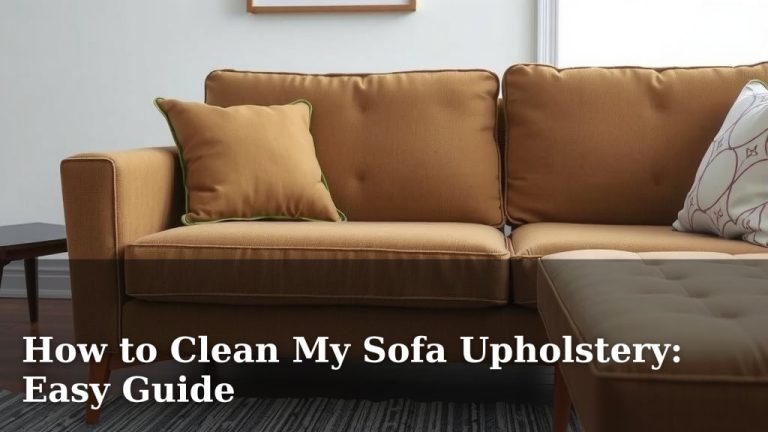
How to Clean a Cloth Sofa Without a Vacuum: Easy Methods
The easiest way to clean a cloth sofa without a vacuum is to use a soft-bristle brush, a damp microfiber cloth, and a simple baking soda sprinkle. Brush off loose crumbs and dust first, blot stains with a mild soapy solution, then let the fabric air dry completely. No fancy machines needed.
Maybe your vacuum broke, maybe you’re in a small apartment, or maybe you just don’t feel like dragging it out today. We get it. The good news? Your couch can still look (and smell) fresh with items you already have at home. Many cleaning experts agree that regular brushing and spot cleaning go a long way. We also found that baking soda works wonders for lifting odors from fabric.
- Brush or lint-roll loose dirt and pet hair off the cushions first
- Sprinkle baking soda, let it sit 15-20 minutes, then brush it away
- Blot stains with a damp cloth and a drop of dish soap — never soak the fabric
- Freshen things up with a light spritz of fabric-safe deodorizer
- Let everything air dry before you sit back down
So who says you need a vacuum to keep your sofa in shape? Below, we walk through each step-by-step method, plus a few tricks for stubborn stains and lingering smells. Let’s get that couch clean.
Cleaning Your Cloth Sofa Without a Vacuum, Step by Step
Start with dry removal — brushing and lint rolling — before you touch any fabric with water. This order matters. Wet dust turns to mud, and mud is way harder to get out.
Step 1: Brush Off Loose Debris
Grab a soft-bristle brush or even a clean, dry toothbrush. Sweep the cushions, arms, and back in one direction. Crumbs, dust, and pet hair will gather at the edge, and you can pick them off by hand.
No brush? A rubber dish glove works surprisingly well. Run your hand over the fabric and watch the hair cling to it. We found this trick recommended by many cleaning pros, and it costs you nothing.
Step 2: Deodorize With Baking Soda
Sprinkle a thin layer of baking soda over the whole sofa. Let it sit for 15 to 20 minutes. It absorbs odors and even some moisture trapped in the fabric.
Baking soda is a mild alkaline, which is why it neutralizes smelly acids from food, sweat, and pets (NIH). After the wait, brush it off into the floor and sweep or pick it up.
Want a Scent Boost?
Mix a few drops of essential oil into the baking soda before sprinkling. Lavender or lemon works nicely. Just stir it well so you don’t leave oil spots on the fabric.
Step 3: Spot Clean Stains the Right Way
Blot, don’t scrub. Scrubbing pushes the stain deeper and can fuzz up the fabric. Dampen a microfiber cloth with warm water and one drop of dish soap, then press gently on the stain.
Work from the outside of the stain toward the center. This keeps it from spreading. Blot with a dry cloth afterward to pull out the moisture.
Check Your Sofa’s Care Tag First
Look under the cushions for a tag with a letter code. It tells you what cleaners are safe:
| Code | What It Means | What You Can Use |
|---|---|---|
| W | Water-based cleaners OK | Mild soapy water |
| S | Solvent only | Rubbing alcohol on a cloth |
| WS | Either one is fine | Soap or alcohol |
| X | Vacuum or brush only | No liquids at all |
If your tag says X, stick to brushing and baking soda. Adding water could leave rings or shrink the fabric.
Best Tools and Supplies You Already Own
You don’t need a cleaning aisle haul. Here’s your no-vacuum toolkit:
- Soft-bristle brush or dry toothbrush
- Lint roller (great for pet hair)
- Microfiber cloths — two or three, so you always have a dry one
- Baking soda
- Dish soap or gentle laundry detergent
- Spray bottle with plain water
A squeegee also pulls pet hair out of tight weaves. Weird, but it works. Many pet owners swear by it.
What to Skip
Avoid bleach, harsh all-purpose sprays, and anything with strong dyes. Test any cleaner on a hidden spot first, like the back of the skirt or under a cushion. Wait 10 minutes and check for color change.
How to Handle Tough Stains and Smells
Some messes need a little more muscle. The key is matching the treatment to the stain type.
Grease and Oil Stains
Sprinkle cornstarch or baking soda on the spot and let it sit for 30 minutes. It absorbs the oil. Brush it away, then blot with a drop of dish soap, which breaks down grease on its own.
Pet Odors
For smells that linger, mist the fabric lightly with a mix of one part white vinegar to two parts water. The vinegar smell fades as it dries, and it takes pet odors with it. Enzyme-based sprays from the pet store also work well on accidents.
Researchers note that enzyme cleaners break down the proteins in pet messes instead of just covering the smell (NCBI). That’s why they beat perfume-y sprays.
Mildew or Musty Smells
Dampness is the culprit here. After cleaning, run a fan or open windows to dry the sofa fast. The CDC notes that keeping fabrics dry within 24 to 48 hours helps prevent mold growth, which matters for your home’s air quality.
Your Quick-Checklist Before You Sit Down
- Brushed off all crumbs, dust, and hair
- Baking soda applied and fully removed
- Stains blotted, never soaked
- Care tag code checked before using any liquid
- Hidden spot tested for color-fastness
- Sofa dried completely with airflow
How Often Should You Clean This Way?
A quick brush-down once a week keeps dust and hair from building up. A full session — baking soda, spot cleaning, and airing out — once a month is plenty for most homes.
Homes with pets or kids may need a monthly refresh more often. Trust your nose. If the couch smells like last Tuesday’s takeout, it’s time.
Prevention Makes It Easier
Wash throw blankets regularly, keep snacks off the cushions when you can, and rotate cushions so they wear evenly. A little effort now beats a big cleaning session later. That’s the honest truth of it.
Conclusion
See? You really don’t need a vacuum to get your sofa fresh again. A soft-bristle brush, some baking soda, and a damp microfiber cloth handle almost everything. Just remember the golden rules: dry clean first, blot stains gently, check that care tag, and let the fabric dry fully before you flop down.
The best part? Everything you need is probably in your kitchen drawer right now. So pick a free afternoon, grab your supplies, and give your couch the refresh it deserves. Start with the cushions you use most, and work your way around. Your sofa (and your nose) will thank you.
Frequently Asked Questions
Can I use a damp cloth on my entire cloth sofa?
It’s better to spot clean than wipe down the whole thing. Too much water can soak into the padding underneath and cause mold or water rings. Stick to stained areas and blot lightly instead of rubbing the surface wet.
How do I get dust out of a couch without a vacuum?
Take the cushions outside and give them a few firm whacks with your hand. This shakes out dust trapped deep inside the foam. A damp microfiber cloth also picks up surface dust well, since the fibers grab particles instead of pushing them around. For a deeper refresh, our guide to cleaning sofa cushions walks through each step.
Will baking soda damage my sofa fabric?
When used correctly, no. Sprinkle a thin layer, let it sit 15 to 20 minutes, then brush it away completely. The risk comes from leaving it packed into seams or crevices, so pay extra attention to those spots when removing it.
How do I clean under the couch cushions without a vacuum?
Remove the cushions and use a damp cloth to wipe out crumbs and dust from the base. A long-handled spoon or spatula wrapped in a microfiber cloth reaches the deep corners. If the frame feels sticky, a cloth dampened with mild soapy water works, just wring it out well first.
Can I use baby wipes to clean my fabric couch?
We’d skip them. Baby wipes often contain oils and lotions that can leave residue or faint marks on fabric. A cloth dampened with plain water and a drop of dish soap is safer and gives you more control over moisture.