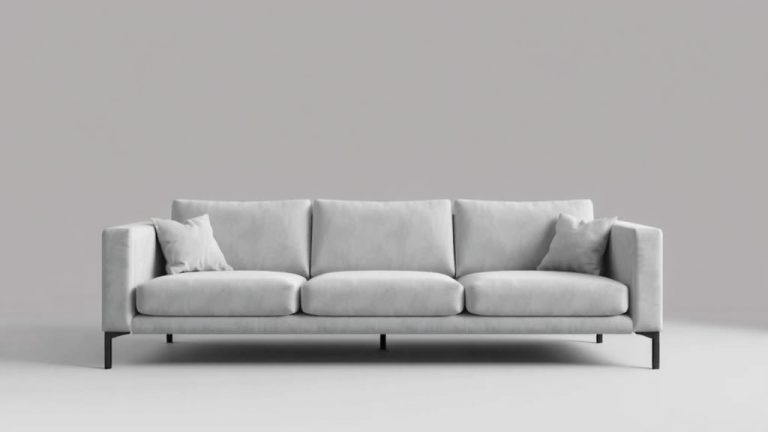
How to Get Coffee Stains Out of Your Sofa in 6 Easy Steps
The easiest way to clean coffee from a sofa is to blot the spill right away with a clean, dry cloth, then treat the spot with a mix of dish soap and cool water. Work from the outside of the stain inward so it doesn’t spread. Whatever you do, don’t scrub — that just pushes the coffee deeper into the fabric.
We’ve all been there: one clumsy sip and your morning brew is soaking into the cushions. The good news? A fresh coffee stain usually comes out with basic household items. Even old, dried stains can often be removed with a little patience and the right method, whether your sofa is fabric, microfiber, or leather.
Here’s the short version before we dive in:
- Blot, don’t rub — rubbing spreads the stain and grinds it in.
- Cold water works best — hot water can set the stain permanently.
- Dish soap and white vinegar are your go-to stain fighters.
- Check your sofa’s care tag before using any cleaner.
- Let it air dry fully to avoid water marks and lingering odors.
We researched the methods cleaning experts recommend and found a few simple steps that work on almost every sofa type. Below, we walk you through exactly how to get that coffee stain out, step by step.
Removing Coffee Stains From Your Sofa the Right Way
The best method depends on two things: how fresh the stain is and what your sofa is made of. Start with the universal move — blot up as much liquid as you can. Then pick the cleaner that matches your fabric type. Think of it like cooking: same recipe, but you adjust for the ingredients you’ve got.
What You’ll Need Before You Start
Here’s a quick checklist so you’re not running to the kitchen mid-cleanup with a dripping cushion in hand. We found that having everything ready makes the whole process faster and less messy.
- Clean white cloths or paper towels (white prevents dye transfer)
- Cold water in a bowl or spray bottle
- A drop of clear dish soap
- White vinegar
- A soft-bristled brush or old toothbrush
- Your sofa’s care tag (check under the cushions)
Step 1: Blot the Excess Coffee
Grab a dry cloth and press down gently. Blot from the outside of the stain toward the center. Why outside-in? It keeps the stain from spreading outward like a coffee-colored tide pool.
Keep rotating to a clean part of the cloth as you go. Once the cloth stops picking up liquid, you’re ready for the next step. Resist the urge to rub or scrub — that’s how stains go from surface problem to permanent guest.
Step 2: Apply Your Cleaning Solution
Mix two cups of cool water with one tablespoon of dish soap and a splash of white vinegar. Dab this onto the stain with a clean cloth. Let it sit for five to ten minutes, then blot again with a damp cloth to rinse.
Many cleaning guides recommend cool water only for fresh spills, since heat can set the tannins in coffee much like they set in a shirt (Mayo Clinic). If the stain fades but isn’t gone, repeat the process once more before trying anything stronger.
Step 3: Rinse and Dry
Blot the area with a cloth dipped in plain cold water to remove any soap residue. Leftover soap actually attracts dirt, so don’t skip this. Then press a dry towel on the spot to soak up moisture.
Let the cushion air dry completely before anyone sits on it. A fan pointed at the area speeds things up. Skipping the dry time can leave water rings or a musty smell — and nobody wants their sofa smelling like a damp basement. If you’re unsure when it’s safe to sit again, our guide to sofa drying times breaks down what to expect.
Cleaning Coffee Stains by Sofa Type
Not all fabrics play by the same rules. Here’s a quick guide so you don’t accidentally turn a small stain into a bigger problem.
| Sofa Type | Best Approach | Avoid |
|---|---|---|
| Fabric / upholstery | Dish soap + cold water, blot gently | Scrubbing, hot water |
| Microfiber | White vinegar lightly dabbed, then blot dry | Too much water (leaves rings) |
| Leather | Damp cloth only, then leather conditioner | Vinegar, harsh soaps |
| Velvet or delicate weave | Professional cleaner or dry-cleaning solvent | DIY liquids of any kind |
Microfiber Sofas
Microfiber is forgiving, but it hates being soaked. Use a spray bottle set to light mist, dab with a sponge, and blot dry right away. Once dry, brush the nap gently with a soft brush so the fabric doesn’t look patchy.
Leather Sofas
Good news: coffee usually sits on top of leather instead of soaking in. Wipe it with a barely damp cloth, then dry it immediately. Follow up with a leather conditioner so the spot doesn’t dry out the finish. If the stain has darkened the leather, a leather cleaner made for the job is your safest bet. For a fuller refresh beyond one spot, our guide to deep cleaning a leather sofa covers the whole routine.
Check That Care Tag First
Flip a cushion and find the code on the tag. It tells you what cleaners are safe:
- W — water-based cleaners are fine
- S — solvent-based cleaners only
- WS — either type works
- X — vacuum only, call a pro
We found that many stain disasters happen simply because someone skipped this step. Two minutes of tag-reading beats hours of regret.
How to Tackle Old, Dried Coffee Stains
An old stain isn’t hopeless — it just needs more patience. Dried coffee has bonded with the fibers, so you’ll need to re-wet the area before anything works.
Sponge the stain with cold water until it’s damp again. Then apply your dish soap and vinegar solution, let it sit for ten to fifteen minutes, and blot. Some experts suggest a paste of baking soda and water for stubborn spots; apply it, let it dry, and vacuum it away. You may need two or three rounds. Think of it as peeling an onion, layer by layer.
When to Call a Professional Cleaner
Sometimes the honest answer is: get help. Consider a pro if:
- The stain covers a large area or has spread into the cushion foam
- Your tag says code X or the fabric is silk or wool
- Two DIY attempts haven’t made a visible dent
- There’s a lingering odor after drying
Professional upholstery cleaning typically costs far less than replacing a sofa, so the math usually works in your favor.
Common Mistakes That Make Coffee Stains Worse
Even well-meaning cleaners make things harder. Avoid these pitfalls and your sofa will thank you:
- Using hot water — it sets the stain instead of lifting it
- Scrubbing in circles — this frays fibers and spreads the stain
- Over-saturating the cushion — moisture trapped in foam leads to mildew
- Mixing cleaners — never combine vinegar with bleach-based products
- Skipping the rinse — soap residue attracts future dirt
- Applying heat to dry — a hair dryer can lock the stain in permanently
One more tip from our research: always test any cleaner on a hidden spot first, like the back or underside of the sofa. If the fabric changes color or texture, you just saved yourself a much bigger headache. A five-minute test is cheap insurance for a piece of furniture you sit on every single day.
Conclusion
Coffee on your sofa isn’t a disaster — it’s a to-do list. Blot the spill, mix up some dish soap and cold water, and work patiently from the outside in. Match your method to your fabric, check that care tag, and let everything air dry before diving back in with your next cup. Even old, dried stains usually come out with a few rounds of treatment.
The biggest thing to remember? Act fast and stay gentle. Scrubbing and hot water do more damage than the coffee ever will. If your stain survived two honest attempts, don’t burn a weekend fighting it — a professional cleaner can often save the day for less than you’d expect. Your sofa (and your morning routine) will be better for it.
Frequently Asked Questions
Does coffee come out of a couch permanently, or can it stain forever?
Fresh coffee usually lifts out completely if you treat it within the hour. Dried stains are tougher because the tannins bond with the fibers, but they often fade with repeated treatments. If a shadow remains after a few rounds, a professional upholstery cleaner has stronger tools than what’s in your kitchen.
Can I use baking soda to get coffee out of my sofa?
Yes, and it works best on stubborn or dried spots. Make a paste with a little water, spread it over the stain, and let it dry fully before vacuuming it away. Baking soda also helps absorb any lingering coffee odor trapped in the fabric.
How do I remove the coffee smell from my couch, not just the stain?
Once the spot is clean and dry, sprinkle a light layer of baking soda over the area and let it sit for a few hours or overnight. Vacuum it up thoroughly with an upholstery attachment. If the smell sticks around, the coffee may have soaked into the cushion foam, which usually means it’s time to call a pro.
Will hydrogen peroxide remove coffee stains from upholstery?
It can, but use it with caution. Hydrogen peroxide is a mild bleach, so it may lighten darker fabrics. Test it on a hidden spot first, and stick with the dish soap and vinegar method for anything colored or delicate.
What should I do if coffee got inside the couch cushions?
If liquid seeped past the fabric cover, unzip the cushion if possible and blot the foam with a dry towel. Let it air dry completely before reassembling, since trapped moisture can cause mildew. If the foam absorbed a lot of coffee, replacing the insert or calling a cleaner is often the smarter fix.