How to Clean a Cotton Velvet Sofa Without Damaging It
The easiest way to clean a cotton velvet sofa is to vacuum it weekly with a soft brush attachment and spot-treat stains right away with a damp cloth and mild soap. Skip harsh chemicals and never soak the fabric. Cotton velvet is delicate, and a gentle touch is all it takes to keep it looking plush.
Here’s the thing: cotton velvet is gorgeous but a bit of a drama queen. It can crush, mark, and water-spot if you treat it roughly. Many experts say the secret is regular, light maintenance instead of one big deep clean. We researched common cleaning mistakes, and the biggest one is scrubbing too hard.
Wondering how to handle spills, crumbs, or that mystery stain from last weekend? Don’t worry. We’ll cover it all. Our step-by-step velvet sofa cleaning guide walks through every stage in detail.
- Vacuum weekly with a soft brush head to lift dust and crumbs.
- Blot spills immediately, never rub, or you’ll push them deeper.
- Use mild soap and water for spot cleaning, and always test first.
- Brush the nap gently to keep that signature velvet sheen even.
- Avoid heat, bleach, and soaking, which can permanently damage the pile.
Below, we break down everything you need to know about cleaning your cotton velvet sofa, step by step. Let’s get it looking fresh again.
Cleaning Your Cotton Velvet Sofa the Right Way
Before you touch a stain, check the care tag under your cushions. You’ll see codes like W, S, or WS. These tell you what cleaners are safe. “W” means water-based cleaners are fine. “S” means solvent only. “WS” means you can use either.
Many manufacturers put these codes on every piece of upholstered furniture. Follow them, and you’ll avoid most disasters (U.S. Federal Trade Commission).
Tools and Supplies You’ll Need
Good news: you probably own most of this already. Here’s your simple toolkit.
- Vacuum with a soft brush attachment
- Microfiber cloths (white works best, so no dye transfers)
- Mild dish soap or a gentle fabric detergent
- A spray bottle with cool water
- A soft-bristle brush, like a baby hairbrush
- White vinegar for odor issues
Skip anything with bleach, ammonia, or strong solvents. Cotton velvet is like a cashmere sweater. It wants gentle treatment, not a power wash.
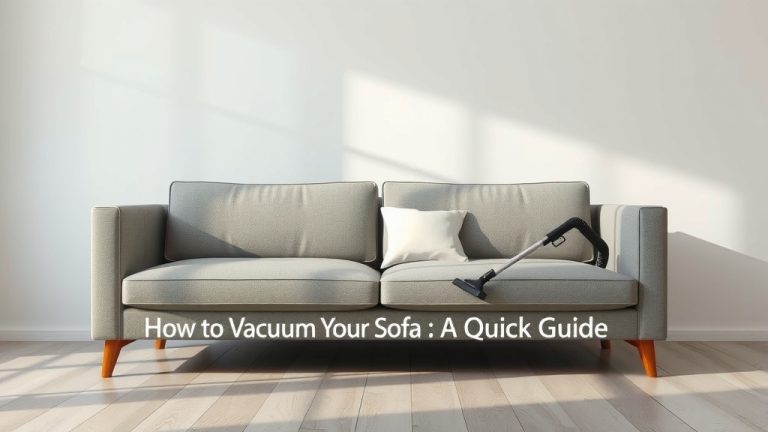
How to Vacuum Your Sofa Properly
Vacuuming is your first line of defense. Dust and crumbs settle into the pile and dull the sheen over time. Do this weekly and you’ll stretch the time between deep cleans.
Step-by-Step Vacuuming
Start with the cushions off the sofa. Vacuum both sides, then the base underneath. Move the brush head in the direction of the nap. Feel the fabric with your hand first. One direction feels smooth; the other feels rough. Go with the smooth way.
Use low suction if your vacuum has adjustable settings. High suction can pull at the pile and leave the fabric looking flattened. We found that many upholstery pros recommend crevice tools for seams and tufting, where crumbs love to hide.
Don’t Forget the Hidden Spots
Lift each cushion and vacuum the deck below. Pet hair and dust collect there fast. If you have pets, a rubber pet-hair brush before vacuuming helps a lot.
How to Remove Stains From Cotton Velvet
The rule is simple: blot, don’t rub. Rubbing pushes the spill deeper and roughs up the pile. Think of it like pressing a towel into the fabric, not scrubbing a pot.
Water-Based Stains (Food, Drinks, Mud)
Blot the spill right away with a dry, clean cloth. Keep pressing with clean sections until the cloth comes away mostly dry. Then mix a drop of mild dish soap into a cup of cool water.
Dip a cloth in the mix, wring it out well, and lightly dab the stain. Work from the outside in so the stain doesn’t spread. Blot with a damp cloth to remove soap, then blot dry.
Quick tip: never spray water directly onto velvet. Light moisture is fine; soaking is not. Cotton velvet can water-spot if it gets too wet, and those marks are hard to fix.
Oily Stains (Butter, Lotion, Pizza Grease)
Oil and water don’t mix, so soap alone may struggle here. Sprinkle a thin layer of cornstarch or baking soda on the spot. Let it sit for 15 to 20 minutes to soak up the grease. Vacuum it off gently, then treat any leftover mark with the soap method above.
Tough Stains That Need Extra Care
Wine, ink, or blood need fast action. Blot up as much as you can, then use cool water and your soap mix. For ink, many experts suggest testing rubbing alcohol on a hidden spot first. If your tag says “S” only, stick to a dry-cleaning solvent made for upholstery.
If a stain won’t budge, don’t panic and don’t scrub harder. That’s when professional cleaning is worth the money. The IICRC (Institute of Inspection, Cleaning and Restoration Certification) recommends calling a certified technician for delicate fabrics like velvet.
How to Deodorize and Freshen the Fabric
Velvet holds onto smells more than flat fabrics do. The fix is easy. Sprinkle baking soda lightly over the whole sofa. Let it sit for 30 minutes, then vacuum it up with the soft brush.
For a deeper refresh, mix equal parts white vinegar and water in a spray bottle. Mist the air above the sofa and let it fall onto the fabric, or dampen a cloth and wipe lightly. The vinegar smell fades as it dries, taking pet and food odors with it. Cleveland Clinic notes that baking soda is a safe, effective deodorizer for household surfaces.
How to Restore the Velvet’s Pile and Sheen
After cleaning, the fabric may look a little crushed. Don’t worry. This is normal, and it’s fixable.
Brushing the Nap Back to Life
Once the fabric is fully dry, brush it gently in one direction. Use a soft-bristle brush or even a clean, dry toothbrush with very light pressure. This lifts the pile back up and evens out the sheen.
Some people use a clothes steamer held a few inches away, then brush. Just remember: no direct heat. Steam from a distance only, and never iron velvet.
Quick Checklist: Your Velvet Cleaning Routine
- Vacuum weekly with a soft brush head
- Blot spills the moment they happen
- Spot-clean with mild soap and cool water
- Deodorize monthly with baking soda
- Brush the nap after every cleaning
- Rotate and flip cushions every couple of weeks
What to Avoid When Cleaning Velvet
A few mistakes cause most velvet damage. Here’s what to steer clear of:
- Harsh chemicals like bleach, which can strip color permanently
- Hot water or direct heat, which can shrink the cotton
- Soaking the fabric, which leads to water spots and mildew risk
- Rubbing stains in circles, which crushes the pile
- Sun-drying, which can fade the dye unevenly
Keep your sofa out of direct sunlight, too. NIH guidance on textile care notes that UV exposure fades natural fibers over time. A sofa out of the sun stays vibrant much longer.
Common Velvet Sofa Questions Answered Fast
| Problem | Quick Fix |
|---|---|
| Water spot or ring | Lightly mist the whole area, blot, then brush the nap when dry |
| Crushed or flat pile | Steam from a distance and brush in one direction |
| Pet odor | Baking soda sprinkle, sit 30 minutes, vacuum |
| Set-in stain | Repeat blotting with soap mix, or call a pro |
| Lint and pet hair | Lint roller, then vacuum with soft brush |
Keeping Your Sofa Clean Long-Term
Prevention beats cleanup every time. Vacuum weekly, blot spills fast, and keep snacks on a tray table instead of the cushions. A throw blanket on high-traffic seats works wonders, too. It’s much easier to wash a blanket than to clean velvet.
Flip and rotate your cushions every couple of weeks so wear stays even. And once or twice a year, consider a professional deep clean if the sofa sees heavy daily use. Many experts say routine light care plus an occasional pro clean is the best combo for keeping velvet plush for years.
Conclusion
Cleaning a cotton velvet sofa comes down to gentle habits, not harsh effort. Check your care tag first, vacuum weekly with a soft brush, and blot spills the second they happen. When stains show up, mild soap and cool water handle most of them, as long as you never soak or scrub the fabric.
Regular light care beats one big deep clean every single time. Brush the nap after each cleaning, rotate your cushions, and call a pro for stubborn stains instead of pushing harder.
Your next step? Check that care tag today and set a weekly vacuum reminder. Your sofa will thank you for years.
Frequently Asked Questions
Can I use a carpet cleaner or steam machine on my cotton velvet sofa?
We recommend against it. These machines push a lot of moisture into the fabric, and cotton velvet water-spots easily. Stick to lightly damp cloths and hand-held spot cleaning instead.
How often should I deep clean my cotton velvet sofa?
For most homes, a light monthly refresh with baking soda and a professional deep clean once a year is plenty. If you have kids or pets, you might bump the pro clean to twice a year. Your weekly vacuuming does most of the heavy lifting in between.
Why does my velvet sofa look different shades in different lights?
That’s completely normal. Velvet’s pile reflects light differently depending on which way it’s brushed or crushed. If the shading looks uneven, brush the whole sofa gently in one direction to even it out. Our guide to how velvet wears on a sofa explains why this shading happens.
Can I remove the cushion covers and wash them in my machine?
Check the care label before you try. Most cotton velvet covers aren’t machine washable because the pile can crush, shrink, or water-spot. If the tag says dry clean only, trust it, or spot-clean the covers by hand.
How do I clean velvet without leaving water rings?
Use as little moisture as possible and work over the entire panel, not just the stain. Blot with a well-wrung cloth, then let the area dry completely before brushing. Treating one small spot on damp fabric is what usually causes those annoying rings.