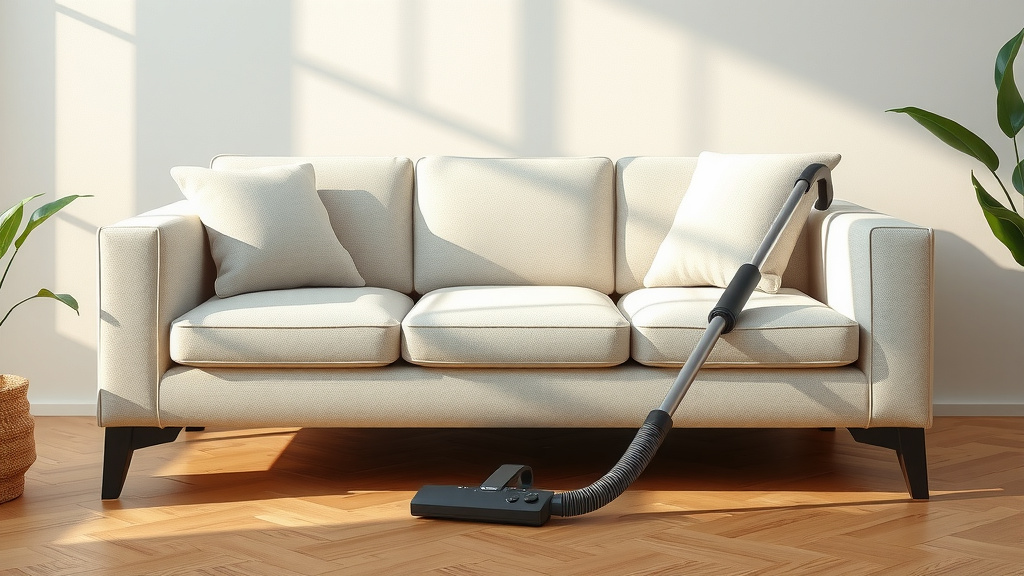
Clean Your Sofa Safely with a Wet Vacuum
Yes, you can absolutely clean your sofa with a wet vacuum, and it’s a highly effective way to tackle spills and stains. Many wet vacuums come with upholstery attachments that are perfect for lifting grime and moisture from fabric without damaging it. It’s a fantastic tool for keeping your couch looking fresh.
Using a wet vacuum on your sofa can be a real game-changer, especially if you have kids or pets. It’s more than just sucking up dry dust; it’s about deep cleaning the fabric. We found that this method can significantly improve the overall appearance and hygiene of your furniture, removing not just visible messes but also embedded odors and allergens. It’s a method that many cleaning professionals recommend for a thorough clean.
- Always check your sofa’s fabric care tag first.
- Pre-treat any tough stains before vacuuming.
- Use the correct upholstery attachment for your wet vacuum.
- Work in sections, overlapping your strokes.
- Allow the sofa to air dry completely.
Ready to give your sofa a new lease on life? Let’s walk through exactly how to use your wet vacuum to achieve amazing results.
Getting Your Sofa Sparkling with a Wet Vacuum
You’re probably wondering if you can really use that wet vacuum on your couch. The short answer is a resounding yes! It’s a powerful tool for a truly deep clean. Many wet vacuums are designed with specialized attachments that make cleaning upholstery a breeze. You can lift embedded dirt, remove spills, and even tackle lingering odors. We found that this method is surprisingly effective for revitalizing your sofa’s appearance.
Understanding Your Wet Vacuum for Sofa Cleaning
Wet vacuums, often called shop vacs, are built to handle both wet and dry messes. This dual capability is what makes them ideal for fabric cleaning. Unlike a standard vacuum, they can suck up liquid spills without damage. They also have a much stronger suction power, which helps in extracting dirt from deep within sofa fibers. Many models come with a selection of nozzles, and one of them is likely perfect for your couch.
Essential Attachments to Look For
The key to successful sofa cleaning with a wet vacuum is using the right attachment. You’ll want to find the upholstery tool. This is usually a smaller nozzle with a brush strip. It’s designed to agitate the fabric gently while lifting debris. Some wet vacuums might also include a crevice tool, which is handy for getting into those hard-to-reach spots between cushions or along seams. Always ensure the attachment is clean before you start.
Preparing Your Wet Vacuum
Before you even think about touching your sofa, make sure your wet vacuum is ready. First, ensure the filter is clean or appropriate for wet use. Some filters are for dry use only and can be damaged by moisture. Check your vacuum’s manual to be sure. If you plan to tackle a wet spill, set the vacuum to its wet mode. This usually involves removing or bypassing the dry filter. For general cleaning, you might use it in dry mode first to pick up loose debris before moving to a damp or wet cleaning phase.
Step-by-Step Guide to Cleaning Your Sofa
Now that your wet vacuum is prepped, let’s get down to business. This process is straightforward and can make a huge difference in how your sofa looks and feels. Remember, patience is your best friend here.
Step 1: Check the Fabric Care Tag
This is a non-negotiable first step. Your sofa’s manufacturer knows best. Look for a tag, usually on the underside or back of a cushion. It will have a code indicating how to clean the fabric. Codes like ‘W’ mean water-based cleaners are okay. ‘S’ means solvent-based cleaners only. ‘W/S’ means either is fine. ‘X’ means no cleaning agents, just vacuuming. Using the wrong method can cause permanent damage, so don’t skip this.
Step 2: Pre-Treat Stains
While your wet vacuum is great for general grime, stubborn stains often need a little extra help. Identify any specific spots you want to treat. For ‘W’ or ‘W/S’ coded fabrics, you can use a mild upholstery cleaner or a DIY solution like a mix of water and a drop of dish soap. Apply sparingly directly to the stain using a clean cloth. Gently blot, don’t rub. Let it sit for a few minutes before proceeding to vacuuming.
Step 3: Vacuuming the Sofa Surface
This is where your wet vacuum shines. Start with the upholstery attachment. If you’re dealing with a dry mess, you can go over the entire sofa first to pick up loose dirt and debris. For a deeper clean, especially after pre-treating stains, you’ll want to use a slightly damp cloth to wipe down the fabric in sections. Then, use your wet vacuum with the upholstery attachment to suck up the moisture and loosened dirt. Work in overlapping strokes, moving slowly to ensure maximum pickup. Don’t saturate the fabric; aim for damp, not soaking wet.
Technique for Optimal Results
Think of it like mowing a lawn; you want to cover every inch systematically. Move the upholstery tool in one direction across the fabric, then overlap your next pass by about half the width of the tool. This ensures you don’t miss any spots. Pay attention to high-traffic areas, as these will likely hold the most dirt. For cushions, clean both sides if possible.
Step 4: Cleaning Cushions and Crevices
Cushions can be removed for easier cleaning. You can vacuum the fabric on all sides. Don’t forget the piping and seams where dust bunnies love to hide. Use the crevice tool for these narrow spaces. If your cushions have removable covers, check their care tags too. Some might be machine washable, which is an even easier option.
Step 5: Drying the Sofa
This is perhaps the most important step after cleaning. Ensure your sofa dries completely to prevent mold or mildew. Open windows and use fans to speed up the process. Avoid sitting on the sofa until it’s bone dry. This can take several hours, or even overnight, depending on how damp you got the fabric. Running the wet vacuum over the sofa one last time, in dry mode if applicable, can help extract excess moisture and speed up drying.
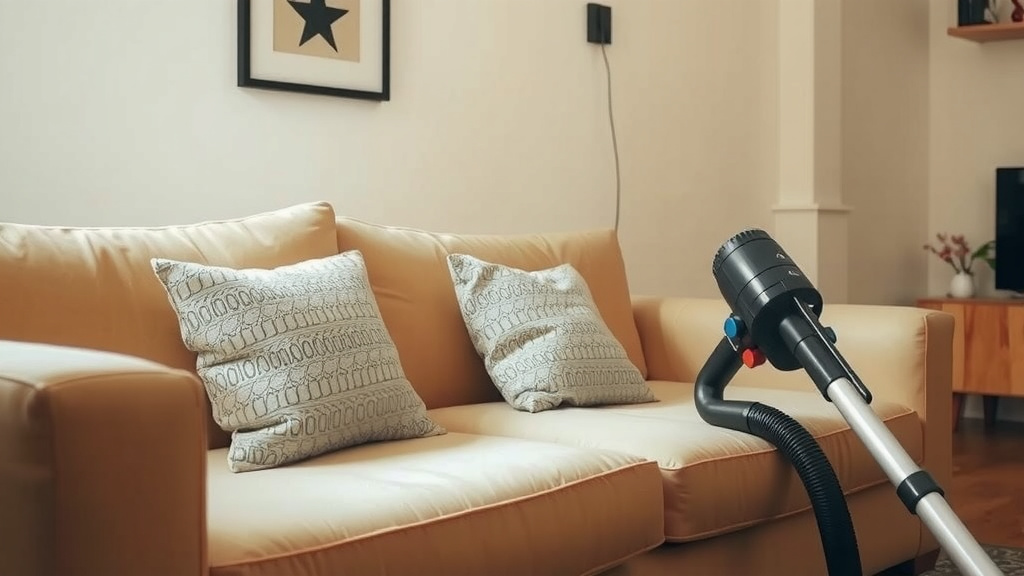
Maintenance Tips to Keep Your Sofa Fresh
Once your sofa is clean and dry, you’ll want to keep it that way. Regular vacuuming with a standard vacuum cleaner can prevent dirt buildup. For minor spills, blot them up immediately. Many upholstery experts recommend a deep clean with a wet vacuum every 6-12 months, depending on usage.
Here’s a quick checklist for your next sofa cleaning session:
- Confirm fabric care code.
- Gather necessary attachments.
- Pre-treat tough stains.
- Vacuum in overlapping strokes.
- Ensure complete drying.
- Vacuum regularly between deep cleans.
Following these steps should leave your sofa looking and feeling remarkably cleaner. It’s a rewarding process that keeps your furniture in great shape for years to come. You might be surprised by how much dirt a wet vacuum can remove!
Conclusion
You’ve now seen how a wet vacuum can be your best friend for sofa cleaning. It’s an effective way to tackle spills, stains, and embedded grime. By following the simple steps, you can achieve a noticeably cleaner and fresher sofa. Remember to always check your fabric’s care tag before you begin. For a truly revitalized couch, make sure to allow it to dry completely after cleaning. Your next step is to grab your wet vacuum and give your sofa the deep clean it deserves!
Frequently Asked Questions
Can I use any cleaning solution with my wet vacuum on the sofa?
You should only use cleaning solutions that are specifically approved for upholstery and your wet vacuum model. Always check your sofa’s fabric care tag first for the recommended cleaning method. Using the wrong solution can damage the fabric or the vacuum.
How often should I deep clean my sofa with a wet vacuum?
For most households, a deep clean with a wet vacuum every 6 to 12 months is sufficient. If you have pets or young children, or if your sofa sees heavy use, you might consider cleaning it more frequently. Regular vacuuming with a standard vacuum cleaner between deep cleans will help maintain freshness.
My sofa is ‘S’ coded on the care tag. Can I still use a wet vacuum?
If your sofa has an ‘S’ code, it means you should only use solvent-based cleaners. A wet vacuum itself can still be used for dry vacuuming to pick up debris, but you should avoid using water or water-based cleaning solutions directly on the fabric. Always use a solvent-based cleaner according to its instructions and the ‘S’ code guideline.
Will using a wet vacuum make my sofa too wet?
The key is to avoid over-saturating the fabric. You want the material to be damp, not soaking wet. Work in sections, use overlapping strokes with the upholstery attachment, and consider running the vacuum one last time on a dry setting to extract excess moisture. Proper drying afterward is essential.
What’s the best way to dry my sofa after wet vacuuming?
Ensure good air circulation by opening windows and using fans. Avoid using the sofa until it is completely dry to the touch. This can take several hours or even overnight. Prompt drying helps prevent mildew and odors from developing in the fabric.

![10 Best Blue Velvet Sofa [2026]](https://hometopaccesories.com/wp-content/uploads/2026/08/10-best-blue-velvet-sofa-2026-featured-768x432.jpg)