How to Bring Your Leather Sofa Back to Life: A Simple Guide
The easiest way to bring a leather sofa back to life is to clean it gently, condition it deeply, and protect it regularly. Start with a soft cloth and mild soap, then apply a quality leather conditioner once it’s dry. Most tired-looking sofas bounce back in a single afternoon.
Cracks, fading, and stiffness don’t mean your couch is done for. We researched dozens of expert methods and found that simple household supplies handle most of the work. Regular conditioning also prevents future drying and cracking, so your sofa stays supple for years.
Quick recap of what works:
- Vacuum and wipe down the sofa to remove dust and grime first.
- Use mild soap and water, never harsh chemicals.
- Apply a leather conditioner while the surface is slightly damp.
- Buff away cracks with a soft cloth or leather filler for deeper damage.
- Keep the sofa out of direct sunlight to prevent fading.
Below, we walk you through everything step by step, from cleaning to conditioning and fixing stubborn cracks. By the end, your sofa will look (and feel) brand new.
Restoring a Leather Sofa the Simple Way
Think of your leather sofa like your skin. When it gets dry, it cracks. When it gets ignored, it looks dull. The fix is the same for both: gentle cleaning, moisture, and protection. We found that most sofas respond well to a simple three-step routine, and you probably have half the supplies already.
Before you start, check the manufacturer’s tag. Some leather finishes need special products. If there’s no tag, a patch test on a hidden spot takes two minutes and saves you a big headache later.
Gathering Your Supplies
You don’t need a shopping spree. Most experts recommend starting with basic items (Mayo Clinic notes that mild soap and water work well for gentle surface cleaning).
- A vacuum with a soft brush attachment
- Microfiber cloths (at least three or four)
- Mild dish soap or a dedicated leather cleaner
- Leather conditioner
- Distilled water
- Leather filler or repair kit for deep cracks
Skip anything with bleach, ammonia, or alcohol. These strip the natural oils right out of the hide. That’s exactly what you’re trying to undo.
Step One: Deep Cleaning the Surface
Start with the boring part. Vacuum every crevice, including under the cushions. Crumbs and dust grind into leather like sandpaper every time someone sits down. This single step makes a surprising difference.
Mixing Your Cleaning Solution
Add a few drops of mild dish soap to a bowl of distilled water. Dip a microfiber cloth, then wring it out until it’s barely damp. You want it moist, not dripping. Too much water is a leather villain in disguise.
How to Wipe Without Damaging the Finish
Wipe in small, gentle circles. Work one section at a time, roughly the size of a cushion. Rinse your cloth often so you’re not just smearing dirt around. Follow up with a second cloth dampened with plain water to remove soap residue.
Stubborn stains? Many experts suggest a 50/50 mix of water and white vinegar for spot treatment. Dab, don’t scrub. Scrubbing pushes the stain deeper and can lighten the color. Our guide to leather-safe stain removal covers more stubborn marks on light leather.
Step Two: Conditioning the Leather
Here’s where the magic happens. Conditioning puts moisture back into the leather, like lotion on dry hands. While the surface is still slightly damp, apply a quality leather conditioner with a clean cloth.
Work it in with circular motions. Don’t drown the sofa, but don’t be shy either. We found that most conditioners need about 15 to 20 minutes to absorb fully. Then buff the surface with a dry cloth to remove any excess.
How Often Should You Condition?
Twice a year is the standard advice. If your sofa sits near a sunny window or you live somewhere dry, bump it up to every three months. Regular conditioning is the single best way to prevent future cracking (NIH notes that keeping leather hydrated preserves its flexibility over time).
Step Three: Fixing Cracks and Scratches
Small scratches often vanish after conditioning. Deeper cracks need a little more help, but nothing drastic. A leather filler and color-matching balm handle most minor damage.
Repairing Minor Scratches
Rub a small amount of conditioner or leather oil into the scratch with your fingertip. Heat from your hand helps it sink in. Buff gently afterward. Many shallow marks fade or disappear entirely.
Handling Deep Cracks
For cracks you can feel with a fingernail, apply leather filler with a spatula or butter knife. Let it dry completely, sand it lightly with fine sandpaper, then match the color with leather dye or balm. Take your time here. Two thin layers beat one thick, lumpy one every time.
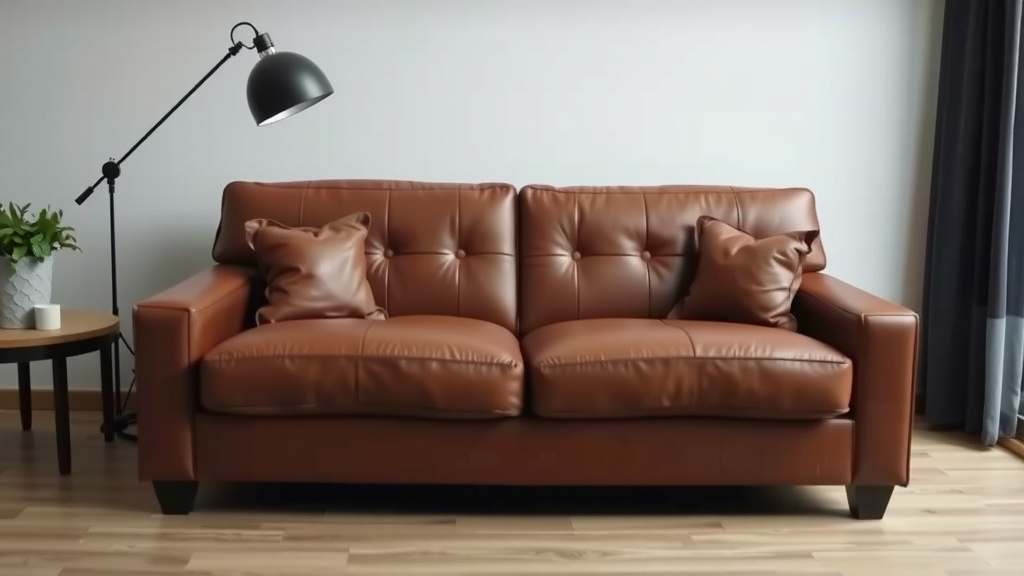
Bringing Back the Color and Shine
Faded leather isn’t always permanent. Leather recoloring balm works like makeup for your sofa. Clean first, apply the balm in thin layers, and buff between coats. We found that gradual layering gives a more even, natural look than one heavy application.
For shine, less is more. A light buffing with a dry microfiber cloth brings out a soft glow. Waxy products can look fake and attract dust, so keep it natural.
Protecting Your Sofa Going Forward
Restoration is only half the battle. Keeping the sofa healthy means changing a few habits around your living room.
| Habit | Why It Matters | How Often |
|---|---|---|
| Dust and wipe down | Removes grit that scratches leather | Weekly |
| Condition | Keeps leather soft and crack-free | Every 3–6 months |
| Rotate cushions | Prevents uneven wear and sagging | Monthly |
| Check sun exposure | Fading and drying come from UV rays | Adjust once |
Direct sunlight is the biggest threat. Many experts suggest positioning your sofa away from windows or using UV-filtering window film. Curtains and blinds work too. Your sofa will thank you by not turning into a cracked taco shell.
Common Mistakes to Avoid
We found the same mistakes showing up again and again in expert advice. Avoid these, and your sofa stays in good shape much longer.
- Using baby wipes, which contain chemicals that dry out leather
- Soaking the leather with too much water or cleaner
- Skipping the patch test before using any new product
- Conditioning a dirty sofa, which seals grime underneath
- Placing the sofa next to heat vents or radiators
Your Quick Restoration Checklist
Print this out or screenshot it. Six steps, one afternoon, one very happy sofa.
- Vacuum all surfaces and crevices
- Wipe down with mild soap and damp cloth
- Remove soap with a clean, damp cloth
- Apply conditioner while the surface is slightly damp
- Treat cracks with filler and color balm
- Move the sofa away from direct sunlight
That’s it. No fancy equipment, no professional bill. Just a little patience and a few household items, and your leather sofa gets a genuine second life.
Conclusion
Bringing a leather sofa back to life doesn’t take magic or money. It takes a vacuum, some mild soap, a good conditioner, and one afternoon of your time. Clean gently, condition while the surface is still damp, and patch up cracks with filler and balm. Then keep it out of the sun and condition a couple of times a year so it never gets that bad again.
We found that most “ruined” sofas just needed moisture and a little attention. Yours probably does too. So grab your microfiber cloths, check that tag for care instructions, and start with a quick vacuum today. Your couch has been waiting for this.
Frequently Asked Questions
Can I use olive oil or coconut oil as a leather conditioner?
We’d skip the kitchen cabinet. Oils like olive and coconut can turn rancid, attract dust, and leave greasy stains that are tough to remove. A purpose-made leather conditioner costs about the same as a nice dinner and won’t risk ruining your sofa.
Why does my leather sofa feel sticky after conditioning?
Sticky usually means you used too much product or didn’t let it absorb long enough. Give it more time to soak in, then buff firmly with a dry microfiber cloth. If it’s still tacky, wipe lightly with a barely damp cloth and let it air dry overnight.
How long does a leather sofa last with proper care?
A quality leather sofa can easily last 15 to 25 years with regular cleaning and conditioning. We found that neglect, not age, is what usually kills leather early. Consistent moisture and protection stretch its lifespan dramatically.
Is professional leather restoration worth it?
For deep tears, heavy fading, or aniline leather with serious damage, a pro can be worth the cost. For everyday dryness, light scratches, and dullness, the DIY methods in this guide handle the job just fine. Try the simple routine first before spending hundreds.
Can I use saddle soap on my leather couch?
It’s risky. Saddle soap is designed for rugged tack and boot leather, and it can be too alkaline for finished furniture leather. It may darken or dry out your sofa over time. Stick with a cleaner made for furniture upholstery instead.