Average 3 Seater Sofa Length: What You Need to Know
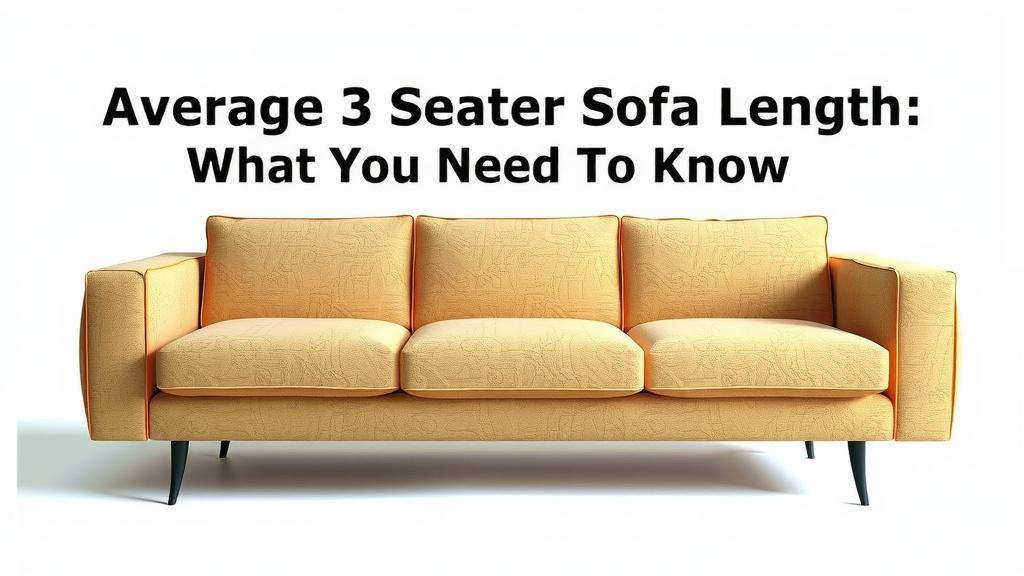
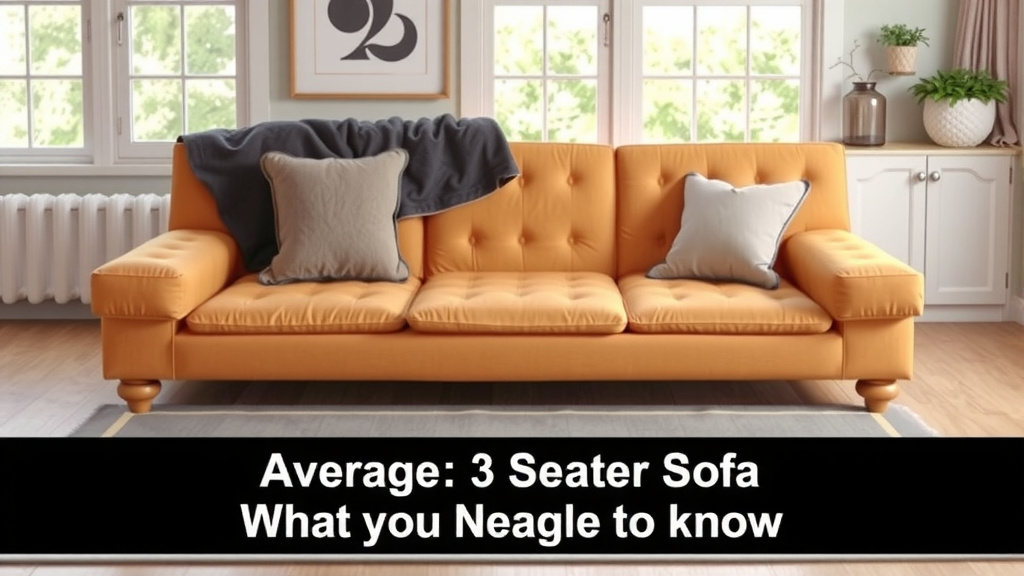
Wondering about the average 3-seater sofa size? You’re in luck! The typical 3-seater sofa measures between 70 to 90 inches in width. This means most can comfortably fit three adults side-by-side. We found that the exact dimensions can vary quite a bit based on style and brand.
When looking for a sofa, it’s good to know what “average” means for your space. A standard 3-seater sofa is a popular choice for living rooms. You’ll find many options in this size range, offering a good balance of seating and space efficiency. We observed that arm style and depth also play a role in the overall footprint. This size generally works well for most homes.
- Average 3-seater sofa width: 70-90 inches.
- This comfortably seats three adults.
- Dimensions vary by style and brand.
- Consider arm style and depth for footprint.
Let’s walk through exactly how to measure your space and what to look for in a 3-seater sofa.
So, you’re curious about sofa sizes! It’s a common question when you’re trying to make your living room just right. We understand that. You want something comfortable for movie nights but also something that fits your space without feeling cramped.
Finding the Right Sofa Dimensions for Your Space
What’s the typical length of a 3-seater sofa? Generally, you’re looking at a width between 70 and 90 inches. This range is a sweet spot for many homes. It’s wide enough for three people to sit without playing a game of Tetris. We’ve found this is a very popular choice for a reason – it offers a great balance of seating capacity and spatial efficiency.
Understanding Sofa Sizing: Width is Key
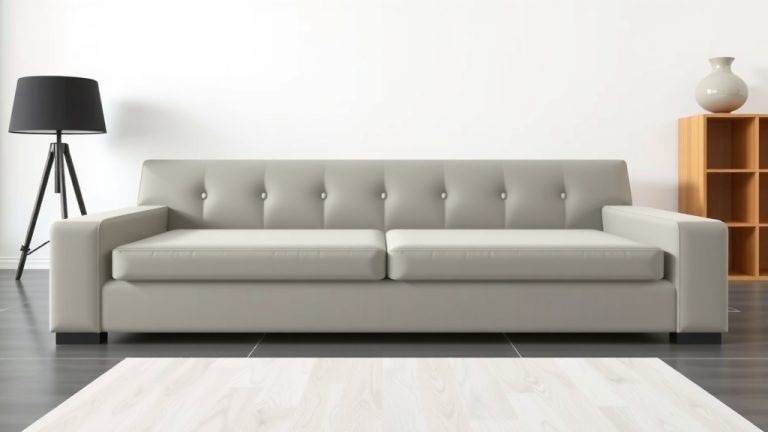
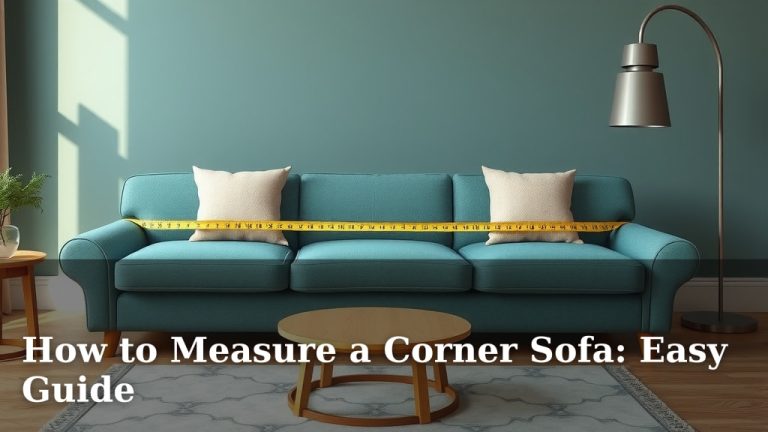
When we talk about the “length” of a sofa, we’re almost always referring to its overall width. This measurement is taken from the outside of one arm to the outside of the other. It’s the number you’ll see most often in product descriptions. A good rule of thumb is to check this dimension first. It tells you the main footprint your sofa will take up.
Think of it like buying a rug. You need to know the main dimension to see if it fits the room’s central area. For a 3-seater, that 70-90 inch width is your primary guide. It’s the most important factor for fitting it into your room and ensuring comfortable seating for your guests. We found that many people are surprised by how much variance there can be, even within this “average” range.
What “Seating for Three” Really Means
Does a 3-seater sofa truly fit three adults comfortably? In most cases, yes! Those 70-90 inches are designed with that in mind. It typically allows for about 20-25 inches of personal seating space per person. This aligns with the generally accepted comfortable seating width guidelines. So, you can usually expect cozy gatherings without too much elbow-jostling. However, we found that very deep cushions or wide arms can sometimes slightly reduce the effective seating width within that total measurement.
Beyond Width: Other Dimensions to Consider
While width is the headline number, don’t forget about depth! Sofa depth can significantly impact how much space it takes up in your room and how comfortable it is for lounging. Standard depths often range from 35 to 42 inches. Deeper sofas feel more luxurious and are great for curling up. Shallower sofas can make a room feel larger and might be better for tighter spaces.
Then there’s the height. Sofa back height typically falls between 30 to 36 inches. This affects the sofa’s visual weight in your room. A lower profile sofa can make a space feel more open and modern. A higher back can offer more support and a more traditional look. Always measure your doorways and stairwells too! You’d hate to buy the perfect sofa only to find it won’t make it into your living room.
Factors Influencing 3-Seater Sofa Size
Why isn’t there just one standard size? That’s a great question! Several design elements can make a 3-seater sofa longer or shorter than the average. We found that understanding these helps you predict what you might see in stores.
Arm Style: A Major Footprint Factor
The arms of your sofa are a big part of its total width. Styles like rolled arms or pillow-top arms can add several inches to each side. These are often found on more traditional or plush designs. They look inviting, but they do increase the overall dimensions. In contrast, track arms or slim, straight arms take up less space. These are common in modern and minimalist designs. They can make a sofa appear more streamlined and fit better in smaller areas.
Consider this: a sofa with very chunky, flared arms will likely be at the higher end of that 70-90 inch range, or even exceed it slightly. A sofa with sleek, narrow arms might be closer to the 70-inch mark. We’ve seen many examples where the arm style alone can account for 4-8 inches of total width. It’s a detail worth noting when you’re comparing options.
Cushion Design and Construction
The number and style of seat cushions also play a role. Many sofas have three separate seat cushions. Others might have one long, continuous cushion. A sofa with three distinct cushions often implies a more traditional seating arrangement. The frames supporting these cushions are built to specific dimensions. We found that the internal frame size and the padding on the arms and back contribute to the final external measurements.
Even the depth of the seat cushions can vary. Some sofas have deep, sink-in cushions perfect for a cozy nap. Others have firmer, shallower cushions that are easier to get up from. This affects not only comfort but also how much space the sofa claims in the room. It’s all interconnected!
How to Measure Your Space and Choose Wisely
Knowing the average is helpful, but the best sofa is the one that fits *your* home. We’ve put together a quick checklist to help you measure and decide.
- Measure your available floor space. Use a measuring tape to get the exact length and width.
- Consider traffic flow. Ensure there’s enough room to walk around the sofa comfortably.
- Visualize the scale. Tape out the dimensions on your floor with painter’s tape.
- Think about doorways and hallways. Will the sofa fit through them to get to its final spot?
- Don’t forget wall outlets and windows. Make sure the sofa won’t block essential features.
A Quick Comparison: Sofa Sizes in Inches
To give you a clearer picture, let’s look at some typical ranges. These are general guides, and actual sizes will vary by manufacturer and style. We found this table useful when we were doing our research.
| Sofa Type | Typical Width (inches) | Typical Depth (inches) | Typical Height (inches) |
|---|---|---|---|
| Loveseat (2-seater) | 55 – 75 | 35 – 40 | 30 – 36 |
| 3-Seater Sofa | 70 – 90 | 35 – 42 | 30 – 36 |
| Sectional (per piece) | Variable (often 80+ for a 3-seat section) | 35 – 45+ | 30 – 36+ |
| Sleeper Sofa (3-seater) | 75 – 90+ | 38 – 44+ (can be deeper due to mattress mechanism) | 32 – 38+ |
As you can see, the 3-seater sofa really sits in the middle ground. It’s larger than a loveseat but generally more compact than many sectionals or sleeper sofas. We found that sleeper sofas often have slightly larger dimensions to accommodate the mattress mechanism. It’s always best to check the specific product details!
When Average Isn’t Quite Right
What if 70-90 inches is too big or too small? Don’t worry, you have options! If you need something a bit smaller, consider a loveseat, which typically tops out around 60-70 inches. They’re perfect for smaller apartments or adding extra seating without overwhelming a space. On the other hand, if you have a grand living room and need more seating, a large sectional or a very generously sized sofa might be what you’re looking for. We found that furniture retailers offer a wide spectrum of sizes.
Ultimately, understanding the average range is a fantastic starting point. It gives you a benchmark for what to expect. But remember, the most important measurement is the one that fits comfortably and beautifully in *your* home. Happy sofa hunting!
Conclusion
We’ve covered that the average 3-seater sofa typically spans 70 to 90 inches in width, providing comfortable seating for three adults. Remember that factors like arm style and overall design can influence these dimensions. While this range is a great starting point, your personal space and needs are most important. Always measure your room and doorways carefully before making a purchase. Take the time to visualize how different styles will fit. Your perfect sofa is out there, and now you know how to find it!
Frequently Asked Questions
How much space does a 3-seater sofa actually take up in a room?
Beyond just width, consider the sofa’s depth and how it will affect traffic flow. A typical 3-seater sofa can have a depth of 35 to 42 inches. We found that ensuring at least 2-3 feet of clearance around it is ideal for comfortable movement.
Can I fit a 3-seater sofa in a small apartment?
Yes, you often can! Look for 3-seater sofas with slimmer arm styles, like track arms. These can keep the overall width closer to the 70-inch mark. Measure your available wall space carefully and consider a sofa with a slightly lower profile to make the room feel larger.
What’s the difference in size between a 3-seater sofa and a loveseat?
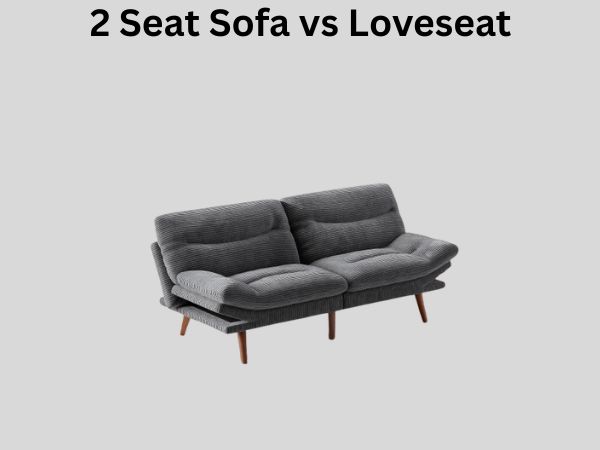
A loveseat is generally smaller, usually measuring between 55 to 75 inches wide and designed for two people. A 3-seater sofa is wider, at 70 to 90 inches, to comfortably accommodate three adults side-by-side. We found this distinction helps greatly when choosing seating for different room sizes.
Are sleeper sofas the same size as regular 3-seater sofas?
Sleeper sofas that offer 3-seat functionality can be similar in width, often ranging from 75 to 90 inches. However, we noticed they tend to be a bit deeper (38-44 inches) to accommodate the mattress mechanism. Always check the specific dimensions for sleeper sofa models.
How do I know if a sofa’s dimensions will fit through my doors?
Before you buy, measure the width and height of all doorways, hallways, and stairwells the sofa needs to pass through. We recommend measuring the sofa’s diagonal depth as well. This ensures it can be maneuvered into your living space without issue.