Sofa and Loveseat Arrangement Ideas for Your Living Room
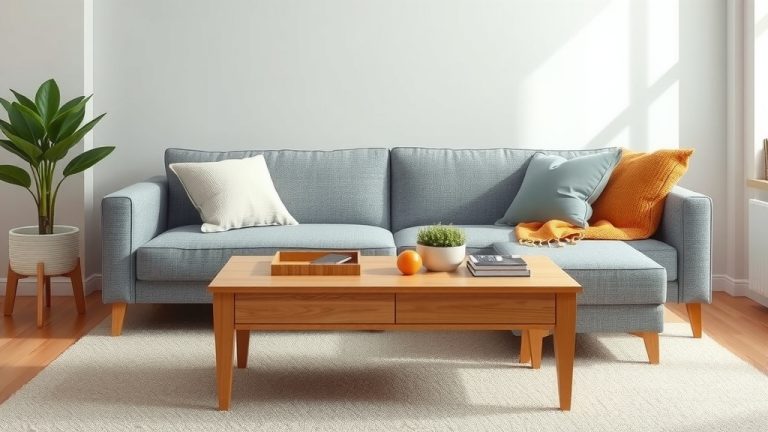
Arranging a sofa and loveseat in your living room is about creating a cozy and functional space. The best way to arrange them is often with their front legs touching or aligned, facing the main focal point of the room, like a fireplace or television. This creates a natural conversation area.
Getting this arrangement right can make a big difference in how your room feels. It’s not just about placing furniture; it’s about setting a welcoming atmosphere for you and your guests. We’ve researched common design challenges and found that a few simple principles can solve most of them.
- Place sofa and loveseat facing the room’s focal point.
- Align or touch front legs for a cohesive look.
- Consider traffic flow around the seating.
- Leave enough space for comfortable movement.
- Don’t push all furniture against the walls.
Let’s walk through exactly how to arrange your sofa and loveseat to make your living room feel just right, step by step.
Arranging Your Sofa and Loveseat: A Guide to Living Room Harmony
Your living room is the heart of your home. It’s where you relax, entertain, and make memories. Getting your sofa and loveseat positioned just right can transform your space. We’ve researched common layout challenges and found that a few key principles can help you create a cozy and functional arrangement.
Understanding Your Room’s Focal Point
Before you move any furniture, take a good look at your living room. What draws your eye first? This is your focal point. It could be a beautiful fireplace, a large window with a view, or even your television. Your furniture arrangement should naturally lead the eye toward this point.
Identifying Your Room’s Centerpiece
Think about where you naturally want to look when you enter the room. Is there a built-in feature like a fireplace? Or perhaps a media console that typically houses the TV? Many interior designers suggest that the primary focal point should dictate where your main seating faces. This creates a sense of purpose for the arrangement.
What if There’s No Obvious Focal Point?
Don’t worry if your room doesn’t have a standout feature. You can create one! Consider a large piece of art or an accent wall. Sometimes, the natural flow of the room itself can serve as a focal point. Where do most people naturally walk through the space? Arranging your seating to face that general direction can work well.
The Art of Sofa and Loveseat Placement
Now that you know your room’s focal point, it’s time to position your sofa and loveseat. The goal is to create a comfortable seating area that encourages conversation and interaction. We found that aligning or touching the front legs of your sofa and loveseat is a popular and effective technique.
Creating a Conversation Zone
Imagine people sitting in your sofa and loveseat. Can they easily talk to each other without straining their necks? This is the essence of a good conversation zone. Placing the sofa and loveseat facing each other or at an angle toward each other is often ideal. This encourages connection between guests.
The Front Legs Alignment Trick
A simple yet effective tip we found is to align the front legs of your sofa and loveseat. You can have them touching or just in a straight line. This visually ties the two pieces together, making them feel like a unified seating group. It prevents the furniture from looking like it’s floating aimlessly.
Sofa Facing the Loveseat (or Vice Versa)
One classic layout involves placing the sofa opposite the loveseat. Ensure they are close enough for easy conversation but far enough for comfortable movement. Leaving about 4 to 8 feet between them is a good starting point. This creates a defined seating area.
Angled Arrangements
Sometimes, an angled approach works wonders. Try placing the sofa on one wall and the loveseat at a slight angle, facing the sofa. This can soften the look of the room and add a touch of elegance. It’s a great way to break up straight lines. We found this works particularly well in rooms that aren’t perfectly square.
Considering Traffic Flow
Don’t let your furniture become an obstacle course! Think about how you and your guests will move around the room. Ensure there are clear pathways from doorways to seating areas and to other parts of the room. Good traffic flow makes a room feel larger and more accessible.
The Importance of Pathways
Aim for at least 3 feet of clearance for main walkways. This allows people to pass comfortably without squeezing. If your sofa and loveseat create a barrier, you might need to adjust their position or even consider a smaller loveseat. We found that adequate pathways significantly improve a room’s usability.
Avoiding Common Sofa and Loveseat Placement Mistakes
Even with the best intentions, it’s easy to fall into common layout traps. One of the most frequent issues we see is pushing all the furniture against the walls. This can make a room feel like a waiting room, lacking warmth and personality.
The “Floating” Furniture Technique
Pulling your sofa and loveseat away from the walls, even just a few inches, can make a surprising difference. This creates a more intimate seating arrangement and allows for better visual balance in the room. It makes the furniture feel intentional, not just placed.
Don’t Block Windows or Doors
This might seem obvious, but it’s worth repeating. Ensure your sofa and loveseat don’t obstruct natural light or easy access to doors. Blocking a window can make a room feel dark and closed off. Blocking a door creates an inconvenience. Always prioritize accessibility and light.
Putting It All Together: A Checklist for Success
Ready to arrange your furniture? Here’s a quick checklist to guide you. Following these steps will help ensure you create a living room that is both stylish and functional. We’ve distilled the key takeaways for your convenience.
- Identify your room’s primary focal point (e.g., fireplace, TV, window).
- Position your sofa and loveseat facing this focal point.
- Align or lightly touch the front legs of the sofa and loveseat.
- Ensure clear pathways (at least 3 feet) for easy traffic flow.
- Pull furniture slightly away from walls to create an inviting space.
- Test the arrangement by sitting and simulating conversations.
Conclusion
You’ve learned how to arrange your sofa and loveseat to create a truly inviting living room. By identifying your room’s focal point and positioning your seating to face it, you establish a natural center of attention. Remember the simple trick of aligning or touching the front legs to unify your seating group. Always consider traffic flow, ensuring clear pathways for comfortable movement. Pulling furniture away from the walls makes your space feel more intimate and balanced. Now, go ahead and try these steps in your own home. You’ll be amazed at how a well-arranged space enhances your everyday comfort and your guests’ experience.
Frequently Asked Questions
How far apart should my sofa and loveseat be?
We found that a good starting point is 4 to 8 feet between your sofa and loveseat. This distance allows for easy conversation without making guests feel too far apart. You want them close enough to connect, but with enough space for comfortable movement around them.
What if my living room is very small?
In a small space, consider placing your sofa and loveseat at a slight angle to each other, rather than directly opposite. This can make the room feel more open. You might also ensure they are pulled slightly away from the walls to create a sense of depth.
Can I place my sofa and loveseat on different walls?
Yes, you absolutely can! Placing them on different walls often works well, especially if you angle them toward each other to create a conversation area. Just ensure they are still oriented towards your room’s main focal point and don’t block essential pathways.
What’s the best arrangement if I have a TV and a fireplace?
If you have both a TV and a fireplace, choose the one that is the primary focal point for your daily life. You can often position the seating to view both, perhaps with the sofa facing the TV and the loveseat angled towards the fireplace. We found that compromise is key here.
Does the rug size matter when arranging sofa and loveseat?
Yes, rug size is very important! For a cohesive look, the front legs of both your sofa and loveseat should ideally rest on the rug. This anchors your seating arrangement and visually ties the pieces together, making the space feel more intentional.