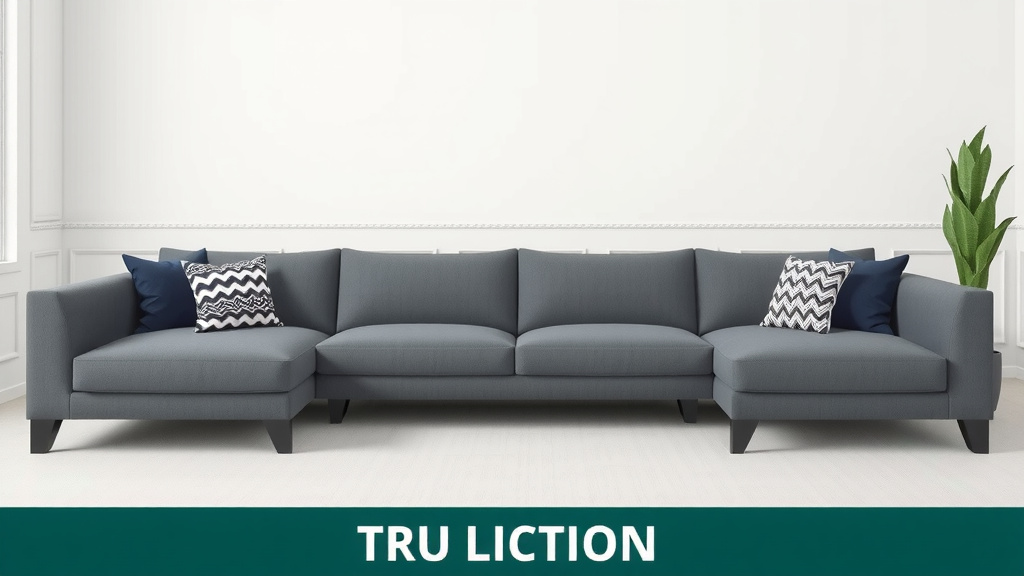
How to Break Up a Sectional Sofa in 6 Simple Steps
How to break up a sectional sofa comes down to a few simple moves: locate the connecting brackets or clips underneath each seat, lift the pieces apart, and arrange them as standalone furniture. Most sectionals are built to come apart, so no, you won’t need a saw or a crowbar. Just a little patience (and maybe a friend to help you lift).
Maybe you’re moving to a smaller place, or the big L-shape just isn’t working with your new layout anymore. Either way, splitting a sectional can save you serious money compared to buying new furniture. We researched how different sectional designs connect and found that most use one of just a few common methods, so chances are yours is easier to separate than you think.
- Check underneath the cushions for connecting brackets, clips, or hooks.
- Unfasten or lift the locking mechanism to separate each section.
- Test each piece as a standalone sofa or loveseat.
- Rearrange the sections in new spots, like opposite walls or separate rooms. Before moving pieces, our guide to measure each section correctly helps you confirm they fit the new spots.
- Use rugs and side tables to make split pieces feel intentional, not leftovers.
Below, we walk through exactly how this works step by step, plus what to do if your sections seem stuck together for good. Let’s get that sofa working for your space, not against it.
Splitting Up a Sectional: Step-by-Step
Yes, you can split most sectionals without tools. We found that the average job takes about 15 minutes once you know where the connectors hide. Ready? Let’s get under there.
Step 1: Clear the Stage
Move the rug, the dog’s toys, and anything else near the sofa. You’ll need room to lift and walk pieces around. Trust us — stubbing your toe on the coffee table mid-lift is no fun.
- Remove all cushions and throw pillows.
- Unplug any lamps or chargers nearby.
- Open the blinds so you can see under the frame.
Step 2: Find the Connectors
Get down on your knees (or flip a flashlight under there) and look along the edges where two sections meet. You’re hunting for brackets, hooks, or interlocking clips. Some slide together like puzzle pieces; others use a simple lift-and-drop lock.
If you feel fabric covering the connection, gently peel it back. Many manufacturers stitch a small access flap just for this. We found that most sectionals use one of three connector types, which we’ll compare in a moment.
Step 3: Unclip and Lift
Once you spot the connector, disconnect it. Some lift straight up. Others slide sideways or require you to press a small tab. Take it slow — forcing it is how bent brackets happen.
Here’s where a friend earns their pizza. Sectional pieces are heavier than they look. Safe lifting guidelines from the CDC recommend keeping loads close to your body and lifting with your legs, not your back. Split the weight between two people and carry each section out flat.
Step 4: Test Each Piece
Now the fun part. Push each section on its own. Does it wobble? Sit on it. If a piece feels tippy without its neighbor, that’s normal — some chaise ends lean on the main sofa for balance. Add the legs that came boxed with it, if any were detachable.
Common Sectional Connector Types
Knowing your connector type saves you ten minutes of guessing. Here’s the quick rundown we put together after checking how popular sectional brands attach their pieces.
| Connector Type | How to Release It | Difficulty |
|---|---|---|
| Straight metal bracket | Lift the mating piece straight up and off | Easy |
| Sliding hook or S-clip | Slide sections apart lengthwise | Easy |
| Screw-on plate | Remove 2–4 screws with a screwdriver | Moderate |
| Velcro or snap straps | Simply pull apart by hand | Very easy |
Most of these are tool-free. If yours has screws, keep them in a labeled bag — you’ll want them if you ever reconnect the pieces.
Making Split Pieces Look Intentional
Ever notice how a lone sectional chunk can look like furniture in time-out? The fix is styling. We found that split sectionals shine when you treat each piece like it chose to be there.
Anchor Each Piece
Give each section its own rug or visual anchor. A rug defines the space and stops that “floating furniture” look. Experts at interior design schools often suggest grouping furniture around a focal point — a fireplace, a TV, a big window.
Add a lamp or side table next to each piece. A solo sofa with a table and light reads as a cozy reading nook. The same sofa bare in a corner reads as an afterthought.
Mind the Traffic Flow
Leave walking paths of at least 2.5 to 3 feet between furniture pieces. That’s the guideline many designers follow, and it keeps the room from feeling cramped. If a section blocks the natural path from the kitchen to the living room, swap its spot.
Quick Styling Checklist
- Each section gets its own rug or floor anchor.
- Add a lamp, plant, or table beside every piece.
- Keep walkways at least 3 feet wide.
- Mix in throw pillows to unify both sections’ colors.
- Angle chaise pieces toward the room, not the wall.
- Step back and squint — does the layout feel balanced?
When Sections Won’t Come Apart
Stuck? Don’t panic, and please don’t grab the crowbar. We found a few likely culprits.
Check for Hidden Hardware
Some sectionals bolt together through the frame. Shine a flashlight under both pieces and look for bolt heads near the connection points. If you find them, a socket wrench usually does the trick.
Handle Weight and Friction First
Heavy sectionals settle into each other over time, especially on carpet. Lift one side while a friend wiggles the other. A second set of hands often solves what looks like a “stuck” connector.
Know When to Stop
If brackets are bent, stripped, or welded-looking, it may be time to call the manufacturer. Many furniture companies will send replacement hardware or instructions. And if a piece genuinely can’t separate? Some upholstery shops can rebuild a sectional end into a freestanding loveseat frame.
Care Tips After the Split
Separating a sectional exposes frame edges you’ve never seen. Take two minutes to check them.
- Vacuum the newly exposed undersides and frames. Our quick guide to vacuum your sofa properly covers the right attachments for crevices and undersides.
- Tighten any loose legs or screws on each piece.
- Apply felt pads under feet to protect your floors.
- Rotate cushions so they wear evenly in their new homes.
That’s it — you’ve just turned one big sofa into two flexible pieces of furniture. Not bad for a Saturday afternoon, right?
Conclusion
Breaking up a sectional is one of those projects that sounds harder than it is. We found that most pieces separate in under 15 minutes once you locate the connectors. Find the brackets or clips, lift with a friend, and style each piece with its own rug and table so it looks deliberate. If something feels stuck, check for hidden bolts before forcing anything — patience beats muscle here. The payoff? Two flexible seating options without spending a dime on new furniture. So grab a flashlight, clear the floor, and give that sectional the split it’s been waiting for. Your living room will thank you.
Frequently Asked Questions
Can every sectional sofa be taken apart?
Most can, but not all. We found that modular sectionals separate easily, while some budget models use permanent frames or glued joints. Check underneath for brackets before you buy or attempt a split.
Will separating a sectional damage it?
Not if you take it slow. Damage usually happens when people yank stuck connectors or bend brackets by forcing them. If a piece resists, look for hidden screws or bolts first rather than pulling harder.
Can I sell the individual pieces after splitting my sectional?
You can, though we found standalone sectional pieces typically sell for less than a full set. Clean photos of each piece, the connector hardware included, and honest measurements will help you attract buyers faster.
Do I need to keep the original hardware?
Definitely keep it. Bag the brackets, clips, and screws and label them clearly. If you move or rearrange later, you’ll need them to reconnect the sections — and replacements from manufacturers can be slow to arrive.
Can a sectional chaise work on its own?
Sometimes. Some chaise pieces are self-supporting with their own legs, while others lean on the main sofa for balance. Test yours by sitting on it solo — if it wobbles or tips, it needs a wall nearby or a supporting piece.