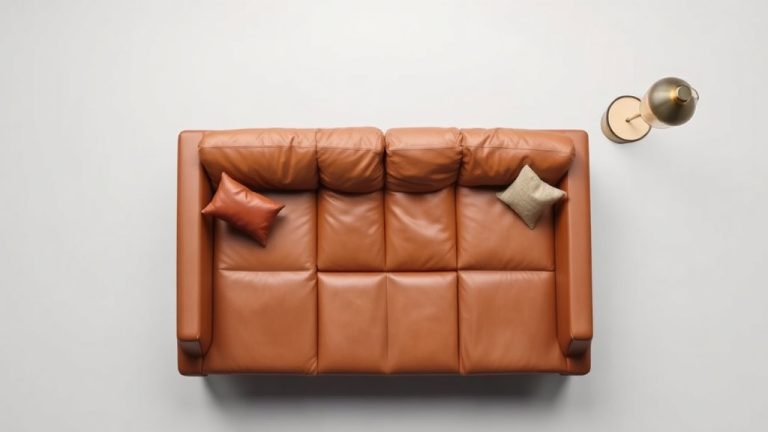
How to Build a Modular Sofa: Step-by-Step DIY Guide
The easiest way to build a modular sofa is to start with a sturdy base frame, add individual seat sections, and connect them with removable brackets or clips. Each piece is built separately, then linked together to form one big couch. That means you can build it in your living room without wrestling a full-size sofa through your front door.
Why go modular? Because you get flexibility most store-bought couches can’t match. You can rearrange the layout whenever the mood strikes, move it easily when you relocate, and even swap out sections later. We researched dozens of DIY plans and found that most builds rely on the same simple ideas: solid plywood frames, comfortable foam, and smart joinery that holds up to real life.
TL;DR — Quick takeaways:
- Modular sofas are built as separate sections that connect with brackets or clips.
- Plywood or 2x4s make a strong, budget-friendly base frame.
- High-density foam wrapped in batting gives that comfy, store-bought feel.
- Measure your space first so your final layout actually fits.
- Most builds take a weekend and basic tools like a drill and saw.
Below, we break down everything you need to know to build your own modular sofa, from planning and materials to assembly and upholstery. Let’s get started.
Building a Modular Sofa Step by Step
The whole project comes down to five stages: plan your layout, cut your frames, build each section, add cushions, and connect everything. Take them one at a time and it’s totally doable in a weekend. Ready? Let’s break it down.
Plan Your Layout and Measure Twice
Before you buy a single board, sketch your layout on paper. How many seats do you want? Will you add a corner piece or a chaise? Draw it out — even a napkin sketch beats guessing.
Then grab a tape measure and check your doorways, hallways, and stairwells. A single seat section should be small enough to carry through them with room to spare. Most builders we found keep sections between 24 and 32 inches wide for exactly this reason.
Sizes That Work for Most Rooms
Standard seat depth runs about 22 to 24 inches, and seat height lands near 17 to 18 inches before cushions. Those numbers match what you’d find on store couches, so your DIY version won’t feel off.
- Single seat section: 24–32 inches wide
- Seat depth: 22–24 inches
- Finished seat height: 17–18 inches
- Backrest height: 12–16 inches above the seat
- Armrests (optional): 6–8 inches wide
Gather Your Tools and Materials
Here’s the good news: you don’t need a fancy workshop. A drill, a circular saw or miter saw, a tape measure, wood glue, and a square will cover 90% of the build.
For materials, ¾-inch plywood is the workhorse. Add 2x4s for framing, 2-inch high-density foam for cushions, batting, and your fabric of choice. Many woodworkers recommend birch plywood for its clean edges and strength.
Shopping List Basics
- Two to three sheets of ¾-inch plywood
- Four to six 2×4 boards for framing and legs
- High-density upholstery foam (2–3 inches thick)
- Polyester batting for wrapping foam
- Wood screws (1¼-inch and 2½-inch)
- Fabric, staple gun, and staples
Build Each Seat Section
Think of each section like a sturdy open-top box. Cut a bottom panel, two side panels, a front rail, and a back panel. Glue the joints, then screw them together. Square matters here — use that carpenter’s square or your whole couch will lean like it’s had a long night.
Add 2×4 legs or buy pre-made furniture legs that screw into threaded inserts. Four legs per section keeps things simple and strong.
Add the Backrest and Arms
Backrests can lean or stand straight up. A simple angled back uses two side supports and a plywood panel set at about 100 to 105 degrees. That slight recline is what makes a couch feel like a couch instead of a bench.
Arms are optional. Skip them if you want a modern, low-profile look. Add them if you like a place to rest your coffee — no judgment either way.
Cut and Wrap Your Cushions
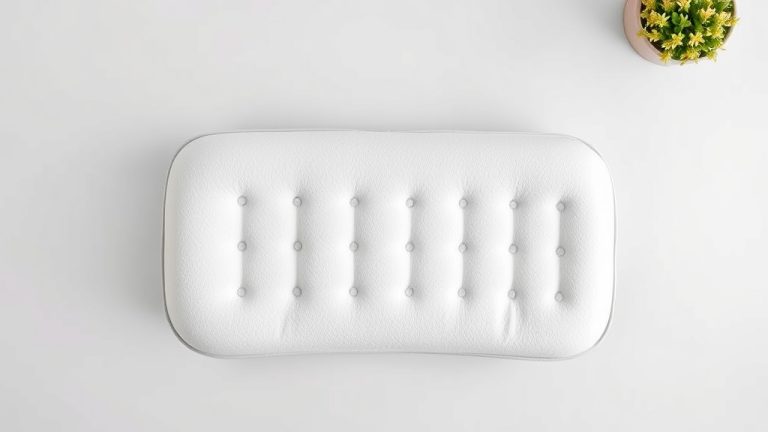
This is where comfort happens. Many DIYers find that high-density foam (around 1.8 to 2.5 pounds per cubic foot) holds up best over years of sitting. Softer foam feels great at first but flattens fast.
Wrap each foam cushion in batting before covering it in fabric. The batting softens the hard edges and gives that plump, store-bought look. It’s like putting a cozy sweater on a firm mattress.
Foam Firmness at a Glance
| Foam Type | Feel | Best For |
|---|---|---|
| High-density (2.0–2.5 lb) | Firm, supportive | Everyday seating |
| Medium-density (1.5–1.8 lb) | Balanced | Occasional-use sofas |
| Memory foam topper layer | Soft on top | Extra comfort over firm foam |
Connect the Sections Together
Now for the magic trick. Connecting hardware is what turns loose boxes into one sofa. Interlocking sofa brackets (sometimes called “sofa connectors”) bolt into the sides of each section and lock them together with a simple twist or slide.
Screw one half of each bracket into the right side of a section, and the other half into the left side of its neighbor. Push them together and — click — you have a couch. Unscrew them later and your sofa splits into moving-day-friendly chunks.
Upholster Like a Pro (Sort Of)
Upholstery sounds scary, but it’s mostly stapling. Cut fabric panels about 2 inches larger than each surface, pull them taut, and staple to the back or underside of the plywood. Work from the center outward so you don’t get wrinkles.
For removable cushion covers, many builders recommend simple box-corner covers with a zipper or Velcro strip. Washable covers are a lifesaver if you have kids, pets, or a spouse who eats salsa on the couch.
Safety and Comfort Tips Worth Knowing
Sit-test every section before final assembly. If a seat flexes or creaks, add a center support or thicker plywood. Ergonomics researchers note that seats with good lower-back support reduce slouching and discomfort (NIH), so don’t skimp on that backrest angle.
Also, sand every edge before upholstery. A sharp plywood corner poking through fabric is the kind of surprise nobody wants on movie night.
Pre-Build Checklist
Run through this list before you make your first cut. It’ll save you a hardware store run in your slippers.
- Layout sketched and measured against your room
- Doorway and hallway widths confirmed
- All lumber and foam purchased in one trip
- Screws, brackets, and legs on hand
- Saw blade sharp and safety glasses ready
- Fabric washed and pre-shrunk (yes, really)
Common Mistakes to Avoid
We found that first-time builders tend to trip on the same few stones. Here’s how to sidestep them.
Skipping the pilot holes. Plywood near an edge splits easily. Drill pilot holes and you’ll never hear that awful crack.
Buying soft foam. It feels luxurious in the store and sad in six months. Spend the extra dollars on density — your future self will thank you.
Forgetting the connectors. A modular sofa without brackets is just a pile of fancy benches. Order your connecting hardware with your lumber so it arrives on time.
Rushing the fabric. Measure each panel, cut once, and staple slowly. Fabric is forgiving, but only up to a point.
Making Your Sofa Truly Modular
Want to level up? Build one extra corner section or an ottoman-sized piece using the same frame method. With brackets on every side, you can reconfigure from L-shape to straight run to U-shape in about five minutes flat.
That’s the real payoff of this project. You’re not just building a sofa — you’re building a sofa that changes its mind as often as you do. And honestly, how many pieces of furniture can say that?
Conclusion
Building a modular sofa comes down to a handful of smart moves: sketch your layout first, build each section as a solid plywood box, invest in high-density foam, and connect everything with proper brackets. Do that, and you’ll end up with a couch that fits your space, your style, and your future moves. We researched dozens of builds, and the pattern is clear — the people who succeed plan before they cut and never rush the upholstery. You don’t need expert skills, just a weekend, a drill, and a little patience. So grab your tape measure, sketch that layout tonight, and start your first cut this weekend. Your perfect couch is closer than you think.
Frequently Asked Questions
How much does it cost to build a modular sofa?
Most DIY builders spend between $300 and $700 depending on size, foam quality, and fabric. Foam and fabric are usually the biggest line items. That’s often cheaper than a comparable store-bought sectional, and you get exactly the layout you want.
Can I build a modular sofa without a circular saw?
Yes. Many home improvement stores will cut your plywood to size for a small fee when you buy it. Bring your measurements, get clean cuts, and your build becomes mostly a drilling-and-assembly job.
How do I make modular sofa sections stay connected without sliding apart?
Interlocking sofa connectors do most of the work, but carpet sliders or rubber furniture grippers under each leg help too. They stop sections from creeping apart on hardwood floors. Check the brackets every few months and re-tighten any loose screws.
Is plywood strong enough for a couch frame?
Absolutely, as long as you use ¾-inch plywood and keep joints glued and screwed. Woodworkers have used it for seating for decades. If you’re worried about sagging, add a 2×4 rail across the front and back of each seat box.
What type of fabric works best for a DIY sofa?
Look for upholstery-weight fabric rated for heavy use, like canvas, duck cloth, or indoor performance fabrics. Cotton blends are easier to sew if you’re making removable covers. Whatever you pick, wash and dry it before cutting so your covers don’t shrink later.