How to Build a Sofa Frame Step by Step: Beginner Guide
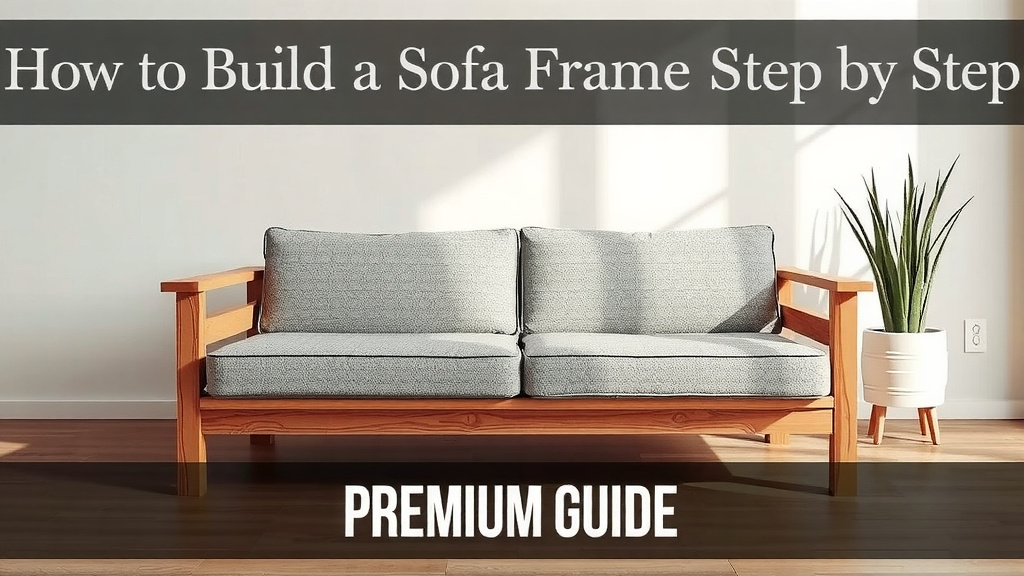
Building a sofa frame starts with cutting your lumber to size, then assembling the base platform, adding the backrest and arms, and reinforcing every joint with screws and wood glue. Most DIYers finish the frame in a weekend with basic tools like a saw, drill, and level. You don’t need to be a master woodworker to pull this off.
We researched dozens of DIY sofa builds and found that pine boards and plywood are the go-to materials for most first-timers. Many experts say the real secret is measuring twice and reinforcing the corners, since that’s where most homemade frames fail. Getting the seat height right (usually around 18 inches) also makes a huge difference in comfort.
TL;DR: The quick rundown
- Gather your tools: saw, drill, screws, wood glue, and a measuring tape.
- Build the base platform first, then attach the backrest and arms.
- Reinforce corners and joints so your sofa doesn’t wobble.
- Use 2×4 lumber and plywood for a strong, budget-friendly frame.
- Double-check seat height and depth before adding cushions. Not sure how to check? Our guide to measuring a sofa’s seat depth walks through the tape-measure steps.
Sounds doable, right? It honestly is. Below, we walk through each step of building a sofa frame in plain English, so you can go from lumber pile to living-room hero without the guesswork.
Building Your Sofa Frame From Scratch
The whole project boils down to six steps: plan your size, cut your lumber, build the base, add the backrest and arms, reinforce the joints, then test everything. We found that DIYers who sketch their design on paper first make far fewer mistakes. Think of it like following a recipe. Prep first, cook second, taste last.
Tools and Materials You’ll Want on Hand
You don’t need a fancy workshop. Most of this lives in a starter toolbox already.
- Measuring tape, speed square, and a pencil
- Circular saw or miter saw
- Drill with driver bits and a countersink bit
- Wood screws (2.5 and 3 inch) plus wood glue
- Six 8-foot 2×4 boards and one 4×8 sheet of 3/4-inch plywood
- Safety glasses and ear protection
Picking the Right Lumber
Pine is cheap, light, and forgiving. That’s why so many first-time builders swear by it. Hardwood looks nicer but fights your screws. Here’s a quick side-by-side so you can decide without guesswork.
| Material | Cost | Strength | Best For |
|---|---|---|---|
| Pine 2x4s | Low | Good | Frame posts and rails |
| 3/4-inch plywood | Medium | Strong | Seat deck and back panel |
| Oak or maple | High | Excellent | Accent pieces and legs |
Step 1: Measure and Plan Your Build
Start with the space, not the sofa. Measure the spot where it will live, then decide your outside width. A typical two-seater runs about 60 inches wide. Leave a little breathing room so the room doesn’t feel cramped.
Sizing Your Seat
Seat height matters more than most people expect. Many ergonomics guides suggest keeping a seat around 17 to 18 inches tall so your feet rest flat and your knees stay comfortable (Mayo Clinic). Build the platform so the finished cushion top lands there. Seat depth usually lands between 21 and 24 inches.
Step 2: Cut Your Boards
Cut everything before you assemble anything. We found that batch-cutting saves an hour of wandering back and forth to the saw. Label each piece with pencil as you go. Trust us, two boards that look identical will not feel identical at midnight.
Getting Clean, Straight Cuts
Mark your line, clamp a straightedge guide, and let the saw do the work. Don’t rush the blade. A steady feed keeps edges square, and square edges make every later step easier. Wear your safety glasses every single cut, even the quick ones. That’s exactly when sawdust finds an eyeball.
Step 3: Build the Base Platform
This is your foundation, so treat it like one. Assemble a rectangle from 2x4s to match your plan, then add cross-supports every 16 inches or so. Think of these like floor joists in a house. They spread the weight so nothing sags later.
Adding the Plywood Deck
Screw the plywood down onto the frame with screws every 8 inches around the edges. Countersink each screw so the heads sit flush. If you plan to put cushions straight on the deck, consider drilling a few ventilation holes. Foam trapped against solid wood can trap moisture and odors over time.
Step 4: Attach the Backrest and Arms
Stand the back posts up at the rear of the base and clamp them before drilling. Use a level here. A slightly tilted backrest feels cozy; a crooked one feels like a mistake. Most DIY designs angle the back between 100 and 110 degrees for comfort.
Arms come next. Build each one as a simple box from 2x4s, then screw it firmly to the base and backrest. Give each arm a firm push. If it wobbles now, imagine how it feels with your uncle leaning on it during the playoffs.
Step 5: Reinforce Every Joint
Here’s where homemade frames earn their reputation. Glue every joint, then screw it. The glue fills tiny gaps and stops squeaks; the screws provide the muscle. Many woodworking guides call this combination the gold standard for furniture frames.
Corner Braces Make the Difference
Add plywood gussets or metal corner braces inside all four corners of the base. Screw them in tight. We found that most wobbly DIY sofas skip this step, and it shows within months. Five extra minutes now saves a frustrating repair later. Your future self will thank you, probably from a very stable couch.
Step 6: Test It Before You Celebrate
Before cushions or fabric touch this thing, stress-test it. Sit down hard. Shift your weight. Rock side to side. Listen for creaks or clicks. Any movement means a joint needs another screw or more glue.
Your Pre-Cushion Checklist
- Frame sits level with no rocking on the floor
- All screws countersunk and no sharp edges exposed
- Seat height measures 17 to 18 inches at the cushion top
- Backrest angle feels natural when you lean back
- Arms hold firm under a firm sideways push
- No creaks, cracks, or flex at the corners
Pass every check? You’re done with the hard part. Sand any rough spots, wipe off the dust, and get ready for the fun stage: cushions, fabric, and showing off your handmade sofa to anyone who visits. And yes, you’re allowed to point at it and say “I built that.” We would.
Conclusion
Building your own sofa frame comes down to six honest steps: plan, cut, build the base, attach the back and arms, reinforce every joint, and test before you celebrate. Pine 2x4s and a sheet of plywood keep the cost low, while glue-and-screw joints and corner braces keep it standing. We found that the builders who slow down for careful measuring are the ones still sitting on their sofas years later. Your first build might not be perfect, but it will be solid, and it will be yours. So grab your tape measure, sketch out your dimensions tonight, and cut your first board this weekend. That couch isn’t going to build itself. Wondering how long that solid build will hold up? Our guide to how long sofas last explains what determines lifespan.
Frequently Asked Questions
How much does it cost to build a DIY sofa frame?
Most first-time builders spend between $75 and $150 on lumber, plywood, screws, and glue. The total depends on your sofa’s size and whether you already own the tools. Compare that to a new mid-range sofa, and the savings are hard to argue with.
Is it cheaper to build a sofa frame or buy one?
Building almost always wins on price if you already have a saw and drill. Even buying every tool from scratch, your total often lands close to the cost of a budget store-bought frame. The real win is that yours will be built tougher than most flat-pack options.
How long does it take to build a sofa frame from scratch?
Most DIYers finish in one weekend, with roughly 8 to 12 hours of actual work. Cutting takes the longest chunk of that time. If you batch your cuts and prep everything ahead, you can wrap it up in a single Saturday.
Can I build a sofa frame without a miter saw?
Absolutely. A circular saw with a clamped straightedge guide makes clean, square cuts just as well as a miter saw. Many experienced builders prefer a circular saw for long plywood rip cuts anyway. Borrow before you buy if this is a one-time project.
What kind of screws should I use for a sofa frame?
Use coarse-thread wood screws, about 2.5 inches for joining 2x4s face-to-face and 3 inches for corner connections into end grain. Avoid drywall screws, since they snap under the constant stress furniture takes. Wood screws bend a little before they break, which is exactly what you want.
How much weight can a homemade sofa frame hold?
A properly reinforced pine frame with cross-supports and corner braces easily handles several adults sitting at once. The weak points are always the corners and joints, not the lumber itself. Add plywood gussets at each corner and you remove most of the risk.