

How Often to Clean Your Leather Sofa
The general rule for cleaning a leather sofa is to give it a light dusting weekly and a deeper clean a few times a year, or as needed based on spills and dirt. Keeping up with regular, simple maintenance prevents the need for harsh cleaning later on. We found that this approach keeps your leather looking its best.
Many people wonder if leather requires a lot of upkeep. The truth is, with the right routine, it’s quite manageable. You can protect your investment by understanding The right routine is essential for manageability; our guide on how to care for your leather sofa offers easy tips.simple cleaning steps. This prevents everyday grime from becoming a bigger problem for your furniture.
- Dust weekly for best results.
- Deep clean a few times per year.
- Address spills immediately.
- Use the right cleaning products.
- Test cleaners on a hidden spot first.
Below, we’ll break down exactly how much you should be cleaning your leather sofa, plus the best ways to do it.
How Often Should You Tend to Your Leather Sofa?
Your beautiful leather sofa needs a regular cleaning routine. Think of it like tending to a garden; consistent care yields the best results. We found that a light touch weekly and a deeper clean a few times a year is the sweet spot. This approach keeps your leather looking gorgeous and feeling supple.
Many people worry that leather furniture is high-maintenance. The truth is, with the right schedule, it’s quite manageable. You can protect your investment by understanding a few simple steps. This prevents everyday grime from becoming a big problem for your beloved couch.
The Weekly Leather Sofa Wipe-Down: Your First Line of Defense
A quick, weekly dusting is surprisingly effective. This simple act removes loose dirt and debris. It prevents these particles from settling into the leather’s pores. We found that doing this consistently makes a big difference over time. It’s like brushing your teeth; a daily habit prevents bigger issues.
What You’ll Need for Your Weekly Clean
- A soft, dry microfiber cloth.
- A soft-bristled brush (like a makeup brush or soft paintbrush).
Your Weekly Cleaning Steps
Grab your microfiber cloth. Gently wipe down the entire surface of your sofa. Pay attention to areas where crumbs or dust might gather. For crevices and seams, use your soft-bristled brush. A gentle brush can dislodge dust without scratching. This quick routine takes mere minutes but offers major benefits for your sofa’s longevity.
Deep Cleaning Your Leather Sofa: A Seasonal Refresh
Beyond the weekly dusting, your sofa will benefit from a deeper clean. We recommend doing this about two to four times a year. The exact frequency depends on your household. Do you have kids or pets? Do you often eat on the couch? If so, you might need to clean it more often. Think of it as a seasonal spa treatment for your furniture.
Signs Your Sofa Needs a Deeper Clean
How do you know it’s time for more than just a dusting? Look for a few key indicators. Dullness is a common sign. If the leather looks less vibrant than usual, it’s probably time for a clean. You might also notice a slight film or residue. This can happen from body oils or minor spills. Research and found that excessive dullness can eventually lead to cracking if left untreated (Leather Naturally).
Essential Supplies for Deep Cleaning
For a thorough clean, you’ll need a few more items:
- Mild, pH-neutral leather cleaner.
- A few clean, soft microfiber cloths.
- Distilled water (if recommended by your cleaner).
- A leather conditioner.
The Deep Cleaning Process
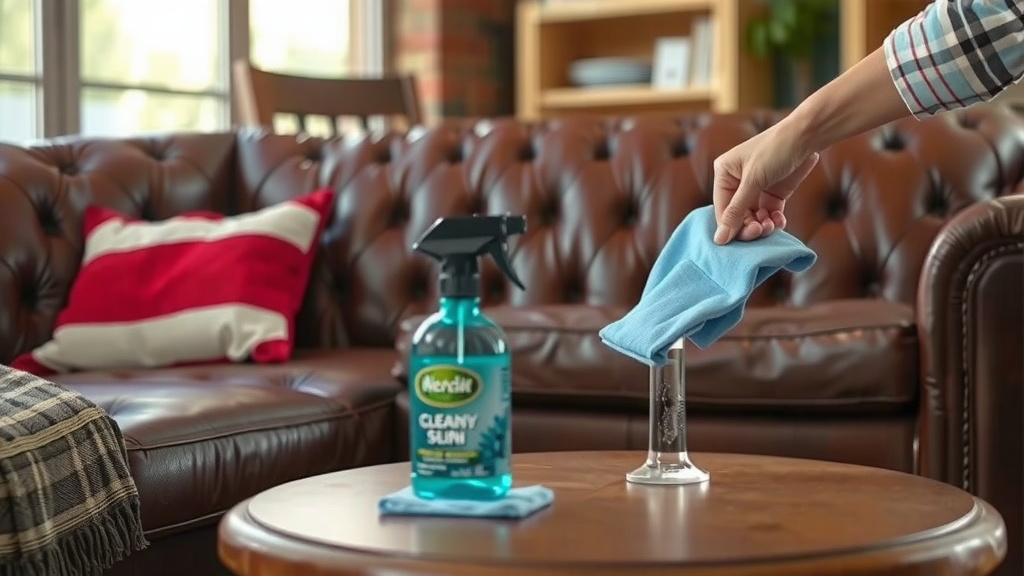
First, always test your cleaner. Apply a small amount to an inconspicuous spot, like the back or underside. Let it dry completely. If there’s no discoloration or damage, you’re good to go. Many experts suggest using a cleaner specifically designed for your type of leather. Applying a leather cleaner can restore its natural sheen and remove tougher grime.
Gently apply the cleaner to a microfiber cloth, not directly to the sofa. Work in small sections. Wipe the leather gently in a circular motion. Avoid scrubbing, which can damage the finish. Use a separate, slightly damp cloth (with distilled water if needed) to wipe away any cleaner residue. Then, immediately dry the area with a clean, dry cloth.
Conditioning for Suppleness
After cleaning and drying, it’s time to condition. This is vital for keeping leather soft and preventing it from drying out. Apply a good quality leather conditioner with a clean cloth. Gently rub it into the leather using circular motions. Allow it to absorb for the time recommended on the product. Buff off any excess with another clean, dry cloth.
Tackling Spills: The Immediate Response Plan
Spills are inevitable, especially in busy households. The key is to act fast. The longer a liquid sits on leather, the more likely it is to soak in and stain. Think of it like a first-aid situation for your sofa.
General Spill Cleanup Steps
For most spills, blot the area immediately with a clean, dry cloth or paper towel. Don’t rub; blotting lifts the liquid away. If the spill was water-based, this might be all you need. For other types of spills, like juice or coffee, use a slightly damp cloth with a tiny bit of mild soap (like a gentle dish soap) and water. Again, blot gently. Follow up by drying the area thoroughly with a clean, dry cloth.
What About Oily Stains?
Oily stains, like those from food, can be trickier. You can try absorbing the oil. Sprinkle a bit of cornstarch or baking soda directly onto the stain. Let it sit for a few hours, or even overnight. The powder should absorb most of the oil. Gently brush it away afterward. You may need to repeat this process. Research and found that absorbing powders are effective for fresh grease stains (Good Housekeeping).
Understanding Different Leather Types and Their Needs
Not all leather is created equal. Different types have different cleaning requirements. Knowing your leather type is important for choosing the right products and methods.
| Leather Type | Cleaning Recommendation |
|---|---|
| Aniline/Unprotected | Very delicate. Dust weekly. Use specialized aniline cleaners only. Blot spills immediately. Avoid excessive moisture. |
| Semi-Aniline/Protected | More durable. Dust weekly. Use a mild leather cleaner. Condition regularly. Most spills can be blotted and wiped. |
| Pigmented/Finished | Most durable. Dust weekly. Can handle most mild leather cleaners and even slightly soapy water. Resists stains well. |
When to Call a Professional
Sometimes, a stain is just too stubborn, or you’re unsure about the best approach. Don’t hesitate to call a professional leather cleaning service. They have the expertise and specialized products to handle difficult situations. It’s better to pay for expert help than to accidentally damage your sofa.
Your Leather Sofa Cleaning Checklist
- Dust with a microfiber cloth weekly.
- Use a soft brush for crevices weekly.
- Deep clean 2-4 times per year.
- Address spills immediately with blotting.
- Always test cleaners in a hidden spot.
- Condition after deep cleaning.
Conclusion
You now know how much to clean your leather sofa. Regular weekly dusting prevents grime buildup. A deeper clean a few times a year keeps it supple. Immediate action on spills saves your sofa from stains. Remember to always identify your leather type and test products first. By following these simple steps, your leather furniture will look amazing for years to come. Your next step is to grab a microfiber cloth and give your sofa that quick weekly dusting!
Frequently Asked Questions
How often should I condition my leather sofa?
You should condition your leather sofa after each deep cleaning, which is typically two to four times per year. Conditioning is essential to replenish moisture lost during cleaning and prevent the leather from drying out. Follow the product’s instructions for the best results.
Can I use household cleaners on my leather sofa?
It’s best to avoid common household cleaners as they can be too harsh for leather. Always opt for a mild, pH-neutral leather cleaner specifically designed for upholstery. Research and found that using the wrong cleaner can strip the leather’s natural oils or damage its finish.
What if I don’t know my leather type?
If you’re unsure about your leather type, err on the side of caution. Treat it as if it were aniline or unprotected leather, which is the most delicate. This means using only specialized cleaners and avoiding excessive moisture. When in doubt, always test any product in an inconspicuous spot first.
Is it okay to use a damp cloth for quick cleanups?
Yes, a slightly damp cloth can be effective for quick cleanups of minor dirt or dust. Just ensure the cloth is not wet, and always dry the area immediately afterward with a clean, dry cloth. Excessive moisture can be harmful to leather over time.
When should I consider professional leather cleaning?
You should call a professional if you encounter a very stubborn stain, have widespread damage, or are simply uncomfortable with the cleaning process. Professionals have specialized tools and knowledge to handle challenging situations without causing further harm to your sofa.

![10 Best Cleaner For Sofa [2026]](https://hometopaccesories.com/wp-content/uploads/2026/09/10-best-cleaner-for-sofa-2026-featured-768x432.jpg)


![10 Best Cheap Reclining Sofa [2026]](https://hometopaccesories.com/wp-content/uploads/2026/08/10-best-cheap-reclining-sofa-2026-featured-768x432.jpg)