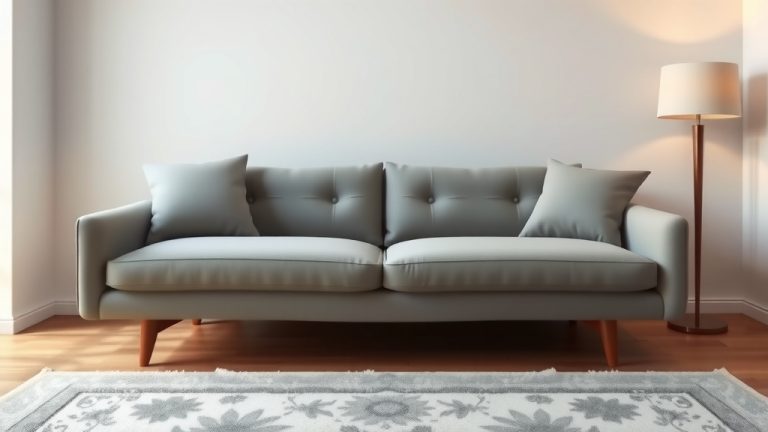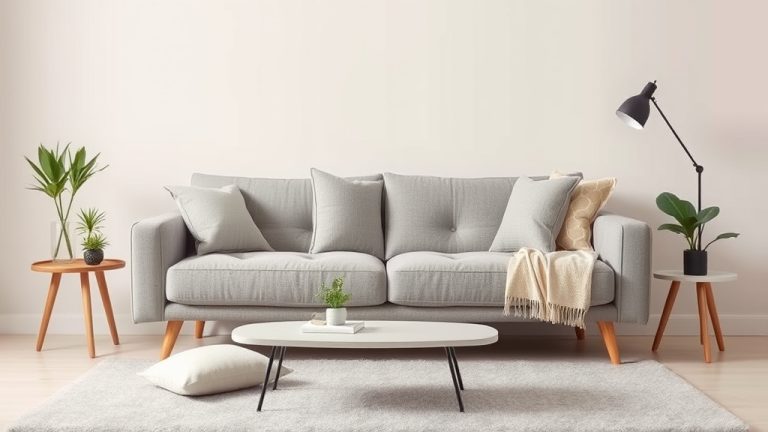
How to Build a Sofa from Scratch: Step-by-Step DIY Guide
Building a sofa from scratch comes down to four main steps: building the frame, adding cushions and foam, attaching the backing, and covering it all with fabric. Most DIYers can finish a simple sofa in a weekend or two. You don’t need to be a master carpenter, either.
Why build your own? For starters, you’ll save money compared to buying new. We looked into what home builders recommend, and many experts say a basic DIY sofa costs a fraction of a store-bought one. Plus, you get to pick the exact size, fabric, and style you want. Ever tried finding a couch that fits that weird corner of your living room? Building it yourself solves that problem.
TL;DR — Here’s the quick version:
- Start with a sturdy wooden frame — pine or plywood works well for beginners.
- Add foam cushions and secure them with strong adhesive and batting.
- Attach a backrest, arms, and legs for structure and style.
- Wrap everything in your choice of fabric using a staple gun.
- Most people spend between $200 and $500, depending on materials.
Below, we walk you through each step in plain English, with the tools and materials you’ll need along the way. Let’s get building.
Building Your Own Sofa Step by Step
The best way to build a sofa is to work in this order: frame, cushions, backrest, and fabric. Follow that sequence and nothing fights you later. Many woodworking guides recommend the same order for the same reason — you can’t upholster a wobbly skeleton.
Gather Your Tools and Materials First
Nothing kills momentum like six trips to the hardware store. We found that most DIY sofa builds use the same basic kit. Lay everything out before you cut a single board.
- Drill and driver bits (cordless makes life easier)
- Miter saw or a hand saw with a miter box
- Staple gun with heavy-duty staples
- Wood screws, wood glue, and corner brackets
- Tape measure, square, and level
- Upholstery needle and heavy thread
Build the Frame
Your frame is the skeleton. Everything else hangs off it, so this step deserves your full attention. Most builders use 2×4 pine for the base and 3/4-inch plywood for panels.
Measure and Cut Your Boards
Decide your sofa’s final size first. A standard sofa runs about 84 inches long and 34 inches deep, but yours can be any size you want — that’s the fun part. Measure twice, cut once. Grandpa said that for a reason.
Assemble the Base and Sides
Screw the base rectangle together first. Then attach side panels and support slats every 12 to 16 inches across the seat. Add corner brackets inside each joint for extra strength. Wood glue plus screws beats either one alone.
Add the Seat Deck
Cut a plywood panel to cover the seat base. Screw it down every 6 inches around the edges. Some builders add webbing or springs over the deck for a softer sit, but a solid plywood deck with good foam works fine for a first build.
Cushions, Foam, and Comfort
Cushion comfort comes from foam density, not thickness alone. Many upholstery guides recommend high-density foam rated 2.0 pounds per cubic foot or higher for seats. It costs more, but it won’t pancake after one Netflix marathon.
Choose the Right Foam
Seat cushions do best with firm foam around 4 to 6 inches thick. Back cushions can go softer. We found that foam suppliers list density and firmness (ILD) on their product pages, so compare before you buy.
Wrap and Attach the Cushions
Spray adhesive holds foam to the deck. Then wrap cushions in a layer of polyester batting to soften hard edges. Think of batting like the blanket between the foam and the fabric — it hides every sharp corner.
Backrest, Arms, and Legs
A backrest can be as simple as a slanted plywood panel screwed to the frame at a 15 to 20 degree angle. Foam and batting on the front, fabric over the top. Arms follow the same recipe — boxes built from plywood, padded, and covered. Not sure how far to slant that panel? Our guide to choosing a sofa back angle walks through the comfort trade-offs.
Legs are the easiest part. Pre-made wooden sofa legs screw into corner blocks or threaded inserts. No fancy joinery required. Just check that your legs can hold the weight; most commercial legs are rated for 100 pounds or more each.
Upholstering and Final Touches
Covering the sofa is less about sewing and more about stapling smart. Start in the center of each panel, pull fabric taut, and staple outward toward the corners. Fold corners like you’re wrapping a gift.
Pick Fabric That Can Take a Beating
Look for fabric rated for heavy-duty or “contract” use. In the US, many fabrics carry a double rub count — a measure of abrasion resistance. Anything above 15,000 double rubs stands up to daily family use, according to upholstery trade guides.
A Quick Upholstery Checklist
- Pre-wash or steam your fabric before cutting.
- Keep a 3-inch staple margin from fabric edges.
- Work on one panel at a time, center out.
- Check pattern alignment before stapling.
- Trim excess fabric close to staples.
- Screw legs on last so you don’t sew around them.
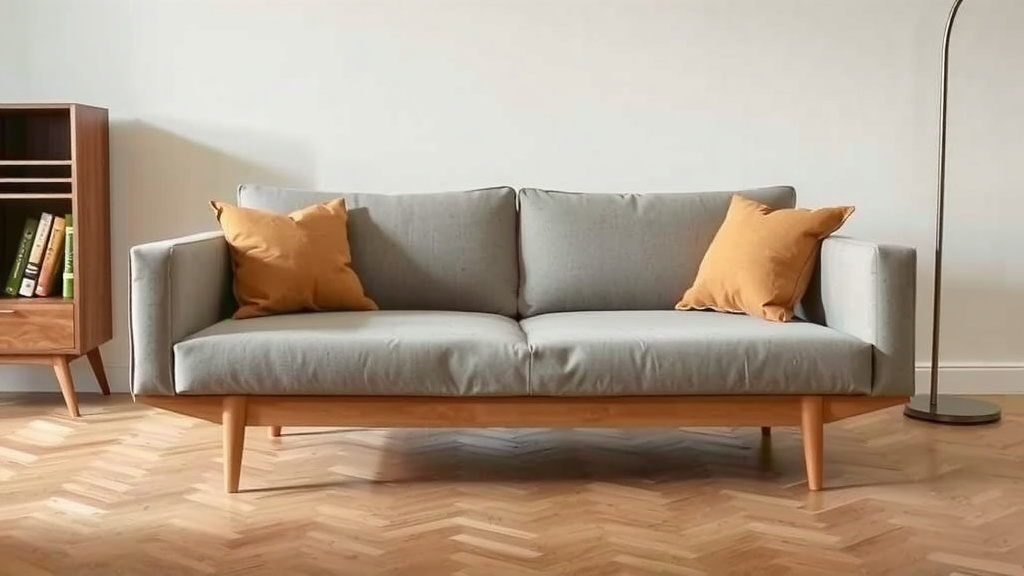
What Does a DIY Sofa Cost?
Most first-time builders spend between $200 and $500, depending mostly on fabric and foam. Lumber and hardware are the cheap part. Foam is where budgets go to die, so shop sales.
| Item | Typical Cost |
|---|---|
| Lumber and plywood | $60–$120 |
| Hardware and fasteners | $20–$40 |
| Foam (seat and back) | $80–$200 |
| Fabric (8–12 yards) | $50–$150 |
| Legs and extras | $20–$50 |
Compare that to $800 or more for a comparable store-bought couch, and the math starts smiling at you.
Safety Notes Before You Start
Power tools deserve respect. Wear safety glasses when cutting, and keep loose sleeves away from the saw blade. The CDC notes that power tool injuries send tens of thousands of people to emergency rooms each year, and most happen when people rush. Slow is smooth, and smooth is fast.
Also check your glue and spray adhesives. Use them in a ventilated room, since many spray adhesives release fumes you don’t want to breathe. Open a window. Maybe two.
Common Beginner Mistakes to Dodge
Every first sofa has a story. Ours would tell you about the time the seat sank two inches because the builder (not naming names) skimped on support slats.
- Using softwood-only joints — always pair screws with glue.
- Too-thin foam under the seat; go 4 inches minimum.
- Skipping the square check before final tightening.
- Cheap fabric that pills after a month of use.
- Forgetting weight limits on legs and corner brackets.
Fix these five and your sofa will outlast the trend cycle — and probably a few of your future moves up the stairs. (Measure your doorways. Trust us.)
Conclusion
Building your own sofa is one of those projects that sounds scary until you actually start. A solid frame, firm foam, and smart stapling will get you a couch you’re proud to sit on — for a fraction of retail price. Take your time on the frame, don’t skimp on foam density, and measure your doorways before build day. We’ve found that first-timers who follow the frame-to-fabric order rarely regret the effort. Your reward is a custom piece that fits your space and your style exactly. So grab your tape measure, sketch out your dimensions tonight, and schedule that lumber run this weekend. Your future self, sprawled comfortably on a sofa you built, will thank you.
Frequently Asked Questions
Do I need a sewing machine to upholster a DIY sofa?
No. Most first-time builds rely on a staple gun rather than sewing. If you want removable or fitted cushion covers later, a basic home sewing machine handles straight seams fine. Start with stapled panels and add sewing skills only if you want them.
What type of wood is best for a sofa frame?
Kiln-dried pine is the go-to for beginners because it’s affordable and easy to cut. Hardwoods like oak hold up even longer but cost more and are tougher on your saw blades. Avoid particleboard for any load-bearing part — it snaps under weight.
How long does it take to build a sofa from scratch?
Most DIYers finish a simple sofa in one or two weekends. Cutting and assembling the frame takes a day. Cushions and upholstery usually fill the second. Rushing the fabric stage is where wrinkles and misaligned patterns happen, so give it its own session.
Can I build a sofa without a miter saw?
Yes. A hand saw with a miter box or even a circular saw works well if you measure carefully and clamp a straightedge guide. Straight, square cuts matter more than the tool you use to make them.
How do I clean and maintain a homemade sofa?
Vacuum it weekly with an upholstery attachment to keep dust out of the seams. Blot spills immediately instead of rubbing, and check that your fabric’s cleaning code before using any solution. Tighten the leg screws once or twice a year.