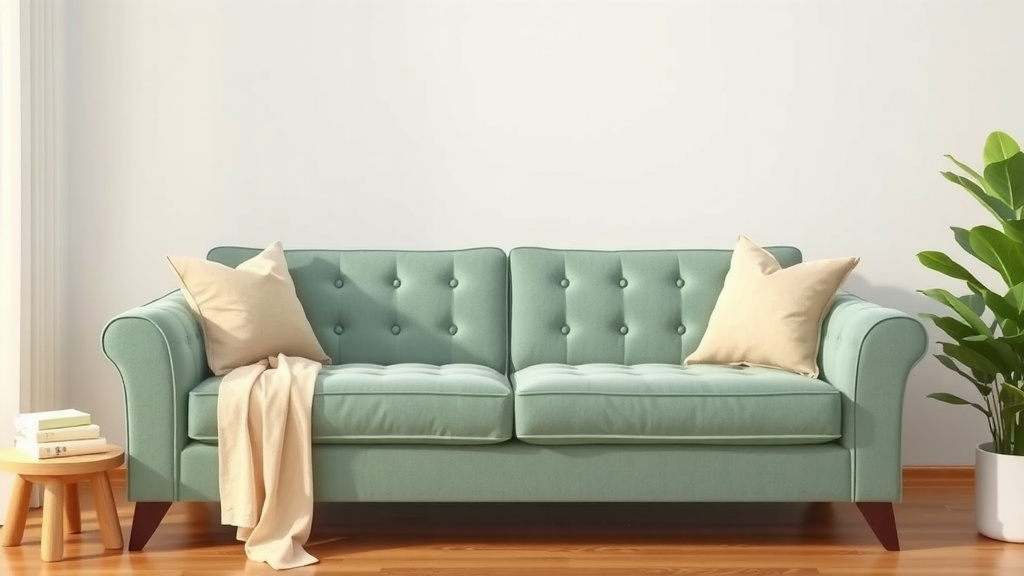
How to Care for a Velvet Sofa: 7 Essential Tips
Caring for a velvet sofa comes down to three things: regular gentle vacuuming, quick spot cleanup with a damp cloth, and brushing the pile often so it stays soft and even. Velvet looks fancy, but honestly? It just wants a little consistent attention. Our step-by-step velvet cleaning guide walks through each of these routines in detail.
Now, we know velvet can feel intimidating. It shows every smudge, and one wrong move can leave marks. But after digging into what fabric care experts actually recommend, we found that most damage happens from harsh rubbing and skipping routine maintenance—not from everyday life happening on your couch. Spills, pet hair, dust, and even the direction you brush all matter. The good news is none of it requires fancy tools or expensive cleaning products.
- Vacuum your velvet sofa weekly using a soft brush attachment.
- Blot spills right away—never rub or scrub.
- Brush the fabric gently to keep the pile smooth and shiny.
- Keep your sofa away from direct sunlight to prevent fading.
- Schedule a deep clean once or twice a year if needed.
Sound manageable? Great. Below, we walk through everything step by step, so your velvet sofa stays plush, glossy, and guest-ready for years.
Cleaning Your Velvet Sofa Without Ruining It
Velvet cleaning is all about gentle hands and low moisture. Think of it like washing a silk blouse, not scrubbing a kitchen floor. Soft tools, mild soap, and patience win every time.
We found that most fabric pros suggest starting with the mildest method first. You can always go stronger later, but you can’t undo a bleach disaster.
Your Weekly Routine (Ten Minutes, Tops)
Once a week, give your sofa a quick once-over. This keeps dust and crumbs from grinding into the fabric like tiny sandpaper bits.
- Run a soft brush attachment over cushions, arms, and crevices.
- Use low suction so you don’t tug the fibers loose.
- Rotate and flip loose cushions while you’re at it.
- Pick off pet hair with a slightly damp rubber glove.
- Check seams and buttons where sneaky debris hides.
Removing Stains the Safe Way
Spills happen. The difference between a memory and a permanent mark is speed and restraint.
Liquid Spills
Grab a clean, dry cloth and press down—don’t wipe. Rubbing pushes the liquid deeper and roughs up the pile. Many cleaning guides recommend blotting from the outside of the stain inward so it doesn’t spread (Good Housekeeping and similar care guides agree).
Oily Marks and Mystery Stains
Mix a drop of gentle dish soap into cool water. Dip a cloth, wring it almost dry, and dab lightly. Let it air dry, then brush the spot gently to restore the nap.
Stubborn stain? Stop there. Call a professional cleaner who knows velvet. One bad DIY attempt costs more than a cleaning visit ever will.
Checking Your Sofa’s Cleaning Code First
Before any water touches your sofa, look for the care tag. It’s usually under a cushion or along the base. That little letter saves big headaches.
| Code | What It Means | Your Move |
|---|---|---|
| W | Water-based cleaners okay | Mild soap and water on a damp cloth |
| S | Solvent cleaners only | Use a dry-cleaning solvent, ventilate well |
| WS | Either works | Still test first, play it safe |
| X | Vacuum only | No liquids—call a pro for stains |
No tag? Test any cleaner on a hidden spot, like the back of a skirt or under the frame. Wait for it to dry completely before moving forward.
Keeping the Pile Smooth and Shiny
Velvet’s shimmer comes from its nap—the fine fibers all lying in one direction. When they get tousled, you get flat spots and weird shadows.
Brushing Basics
Use a soft-bristled garment brush and stroke in one direction. One direction only. Scrubbing back and forth is like combing a cowlick against the grain—it just gets worse.
We found that brushing after vacuuming works best. The fabric is clean and slightly relaxed, so fibers stand back up nicely.
Fixing Flattened Areas
Crushed velvet where everyone sits? Lightly steam the area from a few inches away—never press the iron on the fabric—then brush the fibers upright while they’re warm and let them cool. Many upholstery guides back this steaming trick for reviving the pile.
Protecting Velvet From Sunlight and Heat
Drapery fabrics fade fast. Velvet is similar—UV rays gradually dim those rich colors, leaving pale patches you can’t fix. Position your sofa away from windows or use sheer curtains during peak sun hours.
Heat matters too. Keep velvet away from radiators, vents, and fireplaces. Dry heat makes fibers brittle over time, much like it does your skin in winter.
Dealing With Pet Hair and Everyday Wear
Love your dog but hate the fur situation? You’re not alone. A few habits make coexistence easier:
- Brush pets regularly so less hair ends up on the couch.
- Add a washable throw blanket to their favorite spot.
- Use a lint roller or pet hair brush weekly.
- Trim pet nails—a snagged claw can pull loops in the pile.
For wear patterns, simply rotate cushions and swap seating spots. Even distribution means no single chair-shaped dent becomes permanent.
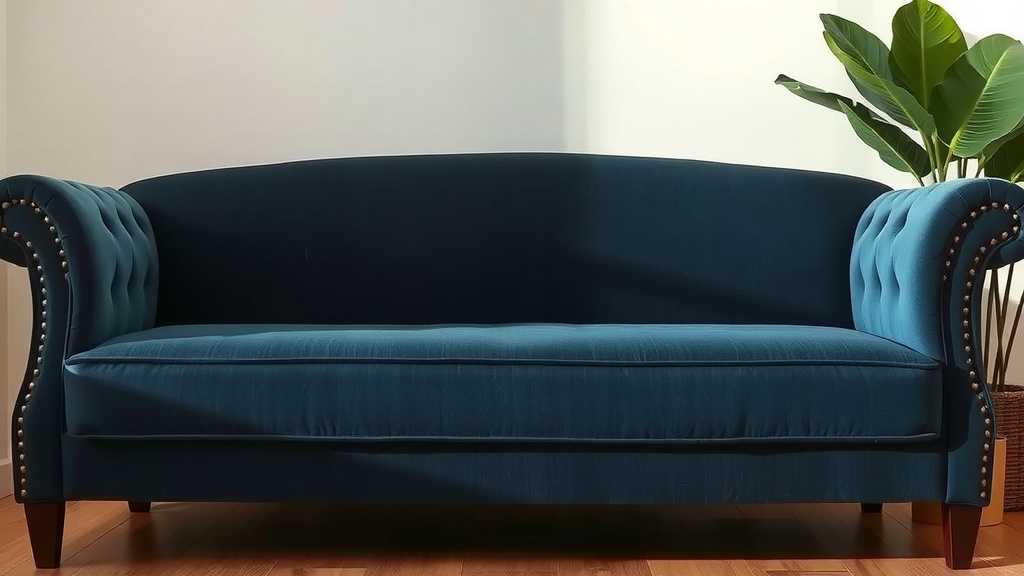
Your Velvet Care Checklist
Pin this list somewhere handy. Consistency beats effort here.
- Vacuum weekly with the soft brush head.
- Blot spills within minutes—press, never rub.
- Brush the nap gently in one direction.
- Steam and re-brush flattened spots monthly.
- Keep the sofa out of direct sunlight and away from heat vents.
- Deep clean professionally once or twice a year.
When to Call a Professional Cleaner
Some jobs belong to the pros, and that’s not a cop-out—it’s smart. Here’s when we suggest picking up the phone:
- Large or set-in stains, especially wine, ink, or pet accidents.
- Any sofa tagged with an “X” or “S” code.
- Lingering odors that surface cleaning can’t touch.
- Annual refresh for heavily used sofas.
Professional upholstery cleaners have solvents and extraction tools that home kits can’t match. Many experts note that velvet responds far better to proper hot-water-free cleaning methods when done by trained hands (Institute of Inspection Cleaning and Restoration Certification guidance).
Common Velvet Mistakes That Cost You
Avoid these and your sofa stays gorgeous twice as long. We found these are the errors people regret most:
- Using bleach or ammonia—they strip color and weaken fibers fast.
- Skipping the spot test because “it’s just water.”
- Vacuuming with a beater bar at full power.
- Saturating the fabric—wet velvet dries stiff and stained.
- Ignoring the care tag entirely.
Skip these missteps, follow the simple routines above, and your velvet sofa will stay the crown jewel of your living room for years. Not bad for ten minutes a week, right? Curious what all this upkeep buys you? Our guide to how long velvet sofas last breaks down the payoff.
Conclusion
A velvet sofa isn’t high-maintenance—it’s just particular. Vacuum weekly with a soft brush, blot spills the moment they happen, and brush the nap in one direction to keep that signature shine alive. Check your care tag before anything wet touches the fabric, and keep it away from harsh sun and heat vents. When stains get serious, a pro is worth every penny. We’ve found that consistency beats intensity every single time. So here’s your next step: check that care tag today, then add a five-minute velvet check to your weekly routine. Do that, and your sofa will thank you for years.
Frequently Asked Questions
Can I use a steamer on my velvet sofa?
Yes, but carefully. Hold the steamer a few inches away so you never soak the fabric, and never touch the velvet directly with a hot plate. Steam only to relax the pile, then brush the fibers upright while they’re still warm.
How often should I professionally clean a velvet sofa?
Once or twice a year works well for most households. If you have kids, pets, or a heavily used sofa, lean toward two visits. Between cleanings, your weekly vacuuming and quick blotting should carry the load.
Why does my velvet sofa look different shades on different cushions?
That’s totally normal—it’s called shading, and it happens when the nap lies in different directions. Light hits the fibers differently depending on which way they lean. A gentle brushing session usually blends things right back together.
Is velvet a bad choice for homes with pets?
Not necessarily, but it depends on your pets. Velvet actually repels some pet hair better than woven fabrics, though claws can snag the pile. Keep nails trimmed, use a throw blanket on favorite napping spots, and you’ll be in decent shape.
How do I deodorize a velvet sofa without water?
If your care tag says X or S, skip liquids entirely. Sprinkle a light layer of baking soda over the cushions, let it sit for 20 to 30 minutes, then vacuum it up with your soft brush attachment. Ventilating the room helps too.