How to Care for a Faux Leather Sofa: Simple Cleaning Tips
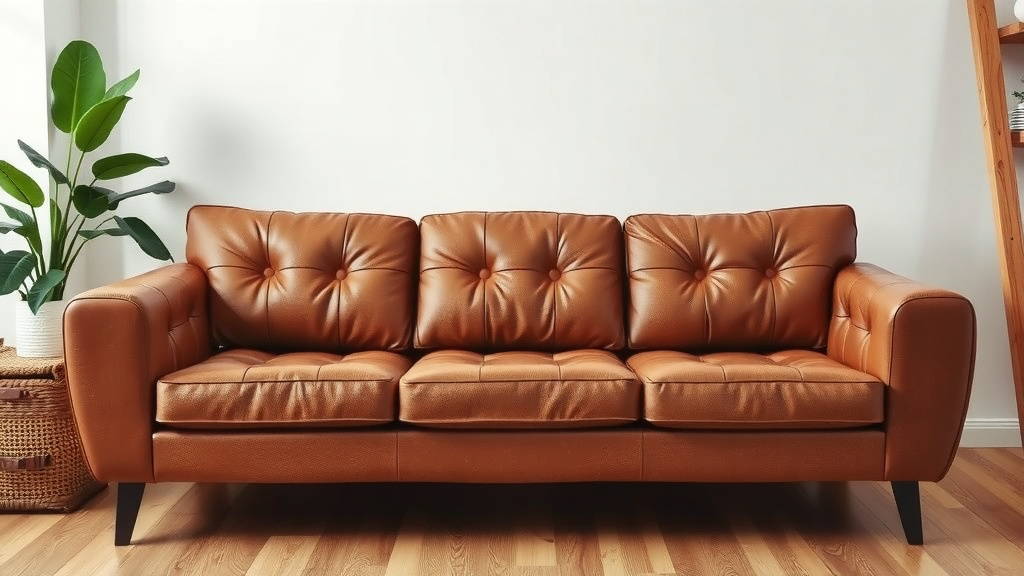
The easiest way to care for a faux leather sofa is to dust it weekly, wipe spills right away with a soft, damp cloth, and keep it away from direct sunlight and heat. A gentle soap-and-water mix works for deeper cleaning, followed by a light coat of conditioner made for synthetic leather. That’s it — no fancy products required.
We get it. Faux leather looks great and costs way less than the real thing, but it can crack and peel if you treat it rough. We researched what actually works and found that consistent light cleaning beats occasional deep scrubbing every time. Many experts also agree that sunlight and heat are the biggest enemies of your sofa’s finish.
Here’s the quick version before we dig in:
- Dust your sofa weekly with a soft, dry cloth.
- Wipe spills immediately with a damp cloth and mild soap.
- Keep the sofa out of direct sunlight and away from heaters.
- Condition the surface every few months to prevent cracking.
- Skip harsh chemicals like bleach, alcohol, and abrasive scrubbers.
Below, we break down everything you need to know about caring for your faux leather sofa, step by step. Grab a soft cloth, and let’s keep that couch looking brand new.
Caring for a Faux Leather Sofa the Easy Way
Your faux leather sofa needs three things to stay happy: gentle cleaning, smart placement in your room, and a little conditioner every few months. That’s the whole game plan. We found that sofas fail faster from neglect and bad placement than from anything you do while cleaning.
Think of faux leather like your own skin. It dries out, it wrinkles, and it hates sunburn. Treat it the same way, and it’ll treat you well for years.
Your Weekly Cleaning Routine
A two-minute dusting once a week does more than a monthly scrub-a-thon. Dust carries tiny grit that acts like sandpaper on your sofa’s surface. Wipe it away before it can do damage.
What You’ll Need
- A soft microfiber cloth (one dedicated to the sofa)
- A spray bottle with lukewarm water
- A drop of mild dish soap
- A second dry cloth for buffing
That’s it. If your cleaning caddy looks like a chemistry set, you’re overcomplicating things.
The Two-Minute Wipe Down
Dust the whole sofa with the dry cloth first, including the crevices between cushions. Crumbs love to hide there. Then lightly dampen your cloth and wipe in one direction, not circles.
Finish by drying the surface with your second cloth. Standing water is never your sofa’s friend, even in small amounts.
How to Handle Spills and Stains
Blot the spill immediately with a dry cloth. Don’t rub — rubbing pushes the mess deeper into the material. Blotting works like dabbing a pizza with a napkin before the grease soaks in.
For sticky or greasy spills, dip your cloth in a mix of a few drops of dish soap and water. Wring it out well, wipe the spot, then rinse the area with a clean damp cloth. Dry it fully.
Tricky Stains That Need Extra Care
Ink, marker, and hair dye are the big three troublemakers. Many cleaning guides suggest testing any stain remover on a hidden spot first, like the back or underside of the sofa (Good Housekeeping). For the toughest of these, our guide to removing ink from a leather sofa walks through safe methods step by step.
If a stain won’t budge with soap and water, stop there. A professional cleaner costs less than replacing a ruined sofa. We found that going nuclear with strong chemicals is the fastest way to strip the finish.
Deep Cleaning: When and How
Plan a deeper clean about once a season. That means four times a year, plus your weekly wipe downs. Vacuum crevices with a soft brush attachment, then wipe the whole sofa with your soapy water mix.
Work section by section and dry each one before moving on. It’s like mowing the lawn — small chunks feel way less painful than one giant job.
Conditioning: The Step Everyone Skips
Here’s the secret sauce. Faux leather has no natural oils, so a conditioner made for synthetic leather keeps it soft and flexible. Skip this, and cracks show up like unwanted guests.
Apply conditioner every two to three months. Use a clean, soft cloth, work in thin layers, and buff off the excess. Always check the label to confirm it’s safe for PU or vinyl surfaces — some leather conditioners are only for real hide.
Testing Before You Commit
Spot-test any new product on a hidden area and wait 24 hours. If there’s no color change or sticky residue, you’re good to go. It sounds fussy, but it takes 30 seconds and saves a lot of regret.
Where You Put Your Sofa Matters More Than You Think
Placement is free protection. Keep your sofa out of direct sunlight and at least a few feet from radiators, vents, and fireplaces. UV rays dry out and fade synthetic leather, and heat can make it stiff and brittle over time (NIH).
Simple Ways to Fight Sun Damage
- Close blinds or curtains during peak sun hours.
- Use a UV-blocking window film on sunny windows.
- Rotate seat cushions monthly so wear stays even.
- Move the sofa to a shadier wall if cracking starts early.
Many furniture makers note that UV exposure is the top cause of peeling, which is why they warn against window-side placement in care guides.
Products to Avoid (Please, Just Say No)
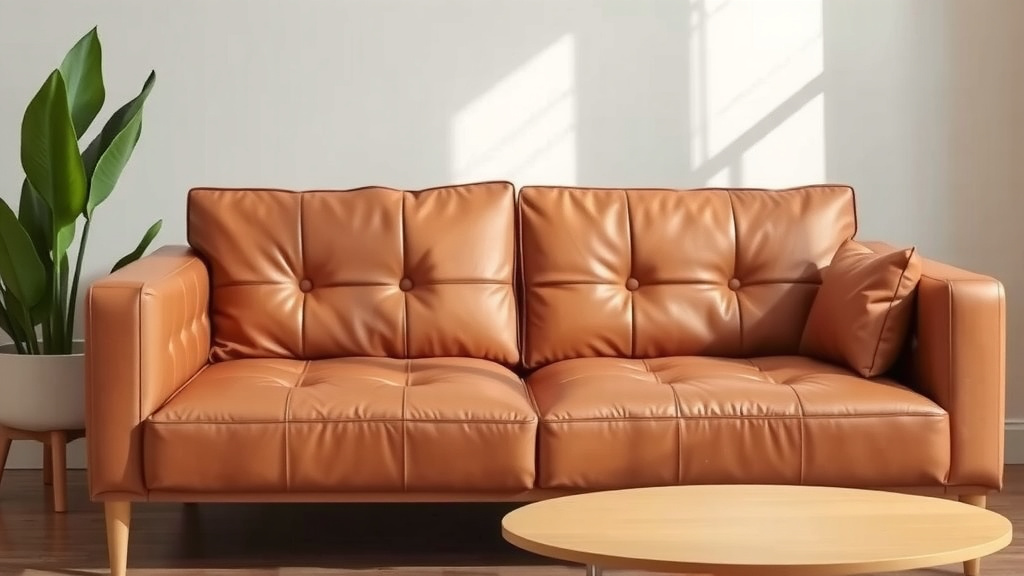
Some products will wreck faux leather faster than a toddler with a permanent marker. We found a clear pattern in what not to use:
| Skip This | Why It Hurts | Use Instead |
|---|---|---|
| Bleach | Strips color and coating | Mild dish soap and water |
| Alcohol-based cleaners | Dries out the surface | Damp microfiber cloth |
| Ammonia or glass cleaner | Causes cracking | Gentle soap mix |
| magic erasers and scrub pads | Scratch the finish | Soft cloth, light pressure |
| Real leather oils | Clog or stain synthetic material | Synthetic-safe conditioner |
One more rule: never use heat guns or hair dryers to speed up drying. Warm air warps the surface. Patience wins.
Keeping Pets and Kids From Wrecking the Couch
Cats see faux leather as a scratching post upgrade. Keep nail trims regular and offer a better option, like a sisal scratcher near the sofa. For dogs, a washable throw blanket over their favorite spot works wonders.
Kids? Snacks rule the living room, so keep wipes within arm’s reach. A small basket by the couch means “wipe it now” actually happens. Many experts suggest that covering high-traffic seats is the simplest way to extend a sofa’s life (Cleveland Clinic notes similar preventive habits for skin — same idea, different material).
Your Quick-Reference Care Checklist
Pin this list somewhere handy or screenshot it:
- Dust weekly with a dry microfiber cloth.
- Blot spills within minutes — never rub.
- Deep clean with soap and water each season.
- Condition every 2–3 months with synthetic-safe product.
- Keep the sofa away from sun, vents, and heat.
- Spot-test every new cleaner before full use.
Signs Your Sofa Needs Extra Help
Catch problems early and they’re fixable. Look for these warning signs during your weekly wipe down:
Early Warning Signs
Small hairline cracks, a sticky or dry feel, or fading color in sunny spots mean the surface is thirsty. Condition it soon and review your sofa’s placement. Stiffness in the arms and seat edges usually shows up first.
When It’s Beyond DIY
If the top layer is peeling or flaking off in patches, home fixes won’t stick. At that point, a furniture repair pro can recoat the surface, or a well-fitted slipcover can hide the damage. We found that realistic expectations here save both money and frustration — a $15 bottle of conditioner can’t resurrect a fully peeled couch, no matter what the internet promises.
Conclusion
Caring for a faux leather sofa comes down to small habits, not big efforts. Dust weekly, blot spills the moment they happen, and condition the surface every few months. Keep your couch away from sunlight and heat, and skip the harsh chemicals that strip its finish. We found that consistency beats intensity every time — two minutes a week outperforms a monthly deep clean. When you spot early cracks or dryness, act fast with conditioner before things get worse. Your sofa can easily last years longer with this simple routine. So grab a microfiber cloth today, give your couch a quick wipe down, and mark your calendar for its next conditioning. Your future self will thank you.
Frequently Asked Questions
Can I use vinegar to clean my faux leather sofa?
Yes, but dilute it heavily. Mix one part white vinegar with several parts water, dampen a soft cloth, and wipe gently. Still, mild dish soap is usually the safer first choice, so save vinegar for spots that soap won’t touch.
Why is my new faux leather sofa already peeling?
Premature peeling usually points to low-quality material or a factory defect rather than your care habits. Check your warranty first, since many manufacturers cover peeling within the first year or two. Document the damage with photos before contacting the retailer.
How long does a faux leather sofa usually last?
With good care, most faux leather sofas hold up for five to ten years. Neglect, sun exposure, and heavy daily use can cut that lifespan in half. A consistent cleaning and conditioning routine is the biggest factor in how long yours lasts.
Is faux leather good for homes with pets?
It depends on your pets. Faux leather resists odors and wipes clean easily, which is great for dogs. But cats’ claws can puncture or tear the surface, so you’ll want scratchers nearby and regular nail trims if a feline rules your house.
Can I use baby wipes on faux leather?
We’d advise against it. Many baby wipes contain alcohol or oils that can dry out or dull the surface over repeated use. A damp microfiber cloth with a drop of dish soap does the same job without the risk.