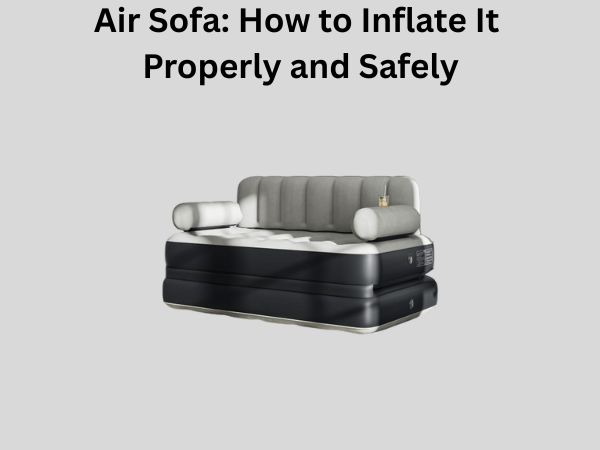
Air Sofa: How to Inflate It Properly and Safely
There’s nothing quite like the comfort of sinking into a plush sofa after a long day, but what if I told you that you could get that same luxurious experience without breaking the bank or dealing with heavy furniture delivery? Welcome to the world of air sofas—the inflatable furniture revolution that’s transforming how we think about comfort and convenience. But here’s the thing: owning an air sofa is only half the battle. Knowing how to inflate it correctly is what separates a comfortable lounging experience from a frustrating nightmare. Let me walk you through everything you need to know about inflating your air sofa properly and safely.
Understanding Your Air Sofa Before You Begin
Before you even think about pumping air into your new furniture, it’s crucial to understand what you’re working with. An air sofa isn’t just a regular couch with some air in it—it’s a carefully engineered piece of furniture designed to hold a specific amount of air pressure while maintaining its structural integrity. Think of it like filling a tire on your car; too little air and it won’t perform properly, too much and you risk damage.
When you first unbox your air sofa, take a moment to inspect it thoroughly. Look for any manufacturer instructions, warnings, or guidelines that came with your purchase. These details matter more than you might think, as different brands have different specifications regarding maximum air pressure and recommended inflation methods.
What You’ll Find Inside Your Air Sofa Package
Most air sofas come with several important components. You’ll typically find the sofa itself, usually made from durable PVC or vinyl material, an air pump (which may be electric or manual), and an instruction manual that outlines the manufacturer’s specific requirements. Some premium models even include repair kits for minor punctures, which is definitely something to keep safe.
Types of Air Pumps: Which One Is Right for You?
The pump you use matters just as much as the technique you employ. There are several varieties out there, and understanding each one can significantly impact your inflation experience.
Electric Air Pumps: The Convenient Choice
Electric air pumps are becoming increasingly popular, and for good reason. They’re fast, efficient, and require minimal physical effort on your part. These pumps plug into a standard electrical outlet and do all the hard work for you. Most electric pumps come with multiple nozzle attachments, so they’re versatile enough to inflate various items beyond just your air sofa.
The main advantage here is speed. What might take 15 to 20 minutes with a manual pump could take just 3 to 5 minutes with an electric pump. If you’re someone who values convenience and doesn’t want to exhaust yourself before you’ve even had a chance to enjoy your new sofa, this is definitely the way to go.
Manual Pumps: The Traditional Approach
Manual pumps require physical effort—whether they’re foot pumps, hand pumps, or combination models. They’re typically more affordable than electric options and don’t require electricity, making them portable and reliable in any situation. However, they demand more work from you, which can be tiring if you’re inflating a large air sofa.
I’d recommend manual pumps if you enjoy a bit of physical activity or if you need a backup option when electricity isn’t available. They’re also great for those who want to be more mindful about the inflation process and can better feel when the sofa reaches the right firmness level.
Combination Pumps: Getting the Best of Both Worlds
Some pumps come with both electric and manual capabilities. These hybrids give you flexibility—use the electric function when it’s convenient, and switch to manual operation if needed. It’s like having a backup plan built into your pump, which I find quite practical.
Preparing Your Air Sofa for Inflation
Proper preparation is half the battle. Before you start pumping air, you need to set yourself up for success.
Finding the Right Location
Choose a clean, flat surface for inflation. This might seem obvious, but it’s genuinely important. If your sofa is on an uneven surface, it won’t inflate evenly, and you’ll end up with one side firmer than the other. Ideally, place your air sofa on hardwood floors, tile, or another smooth surface. Avoid concrete if possible, as it can be rough on the material.
Also consider the temperature of your environment. Cold air takes up less space, so if you’re inflating your sofa in a cold room, it might seem less firm initially. Once it warms up to room temperature, it’ll actually become firmer. Conversely, inflating in a hot environment might make it seem overly firm at first.
Checking for Leaks Before Inflation
This step is crucial and often overlooked. Before you pump in any air, fill a spray bottle with soapy water and apply it to all the seams, valve areas, and seams of your air sofa. If there are any small leaks, you’ll see bubbles forming. It’s better to discover these issues now than after you’ve spent 20 minutes inflating the sofa only to find it slowly deflating.
Locating and Preparing the Valve
Find your air sofa’s valve—usually located on the side or bottom of the furniture. Make sure it’s clean and free from dirt or debris. Sometimes these valves come with protective caps; remove those carefully. Ensure your pump’s nozzle attachment is compatible with your sofa’s valve. If there’s a mismatch, you’ll struggle to create a proper seal, and your pump won’t work effectively.
Step-by-Step Guide to Inflating Your Air Sofa
Now that you’re prepared, let’s get to the actual inflation process. Follow these steps carefully for the best results.
Step One: Attach the Pump Nozzle Securely
Push the pump nozzle firmly onto the sofa’s valve. You should feel some resistance, which indicates a proper seal. If it feels loose or like it’s slipping, try a different nozzle size from your pump kit. A secure connection is non-negotiable here—any gaps will cause air to escape, making your inflation process frustratingly slow.
Step Two: Start Inflating Gradually
If you’re using an electric pump, start on the lowest setting. There’s no need to blast maximum air pressure right away. Begin inflating and watch how the sofa responds. The fabric will start to expand, and the shape will become more defined. This is exactly what you want to see.
With manual pumps, establish a steady rhythm. Don’t go too fast—you want controlled, consistent air flow rather than rapid bursts. Think of it like breathing rather than gasping for air.
Step Three: Monitor the Firmness Level
As your sofa inflates, periodically press on it to gauge firmness. It should feel supportive but still have a slight give when you apply pressure. You’re aiming for that sweet spot between too soft and rock hard. Different people prefer different firmness levels, so trust your own comfort preference here.
Step Four: Check for Even Inflation
Press different sections of your sofa—the back, the seat, the armrests. Each area should feel relatively uniform in firmness. If you notice one side is significantly softer than another, continue inflating until they match. Uneven inflation not only feels uncomfortable but can also lead to uneven wear over time.
Step Five: Reach Your Target Pressure
Most air sofas have recommended PSI (pounds per square inch) specifications in their manuals. If yours does, try to match that specification. If it doesn’t, aim for a firmness level that feels comfortable for your body. Remember, you can always add more air later if needed.
Safety Considerations During Inflation
Inflating your air sofa isn’t dangerous, but there are definitely some safety practices you should follow.
Avoid Over-Inflation at All Costs
Over-inflation is perhaps the biggest risk to your air sofa’s longevity. When you pump too much air into your sofa, you’re putting excessive pressure on the seams and material. Over time, this stress can cause seams to split, valves to fail, or the material itself to tear. It’s like over-inflating a balloon—eventually, something has to give.
If you’re unsure about the right amount, it’s always better to err on the side of less air rather than more. You can always add more air, but you can’t easily remove it without deflating the entire sofa.
Never Leave Your Pump Unattended
While your pump is running, stay nearby and monitor the process. Electric pumps can malfunction, and manual pumps can slip or come loose. Being present ensures you can immediately notice if something goes wrong and prevent potential damage to your sofa.
Keep Children and Pets Away During Inflation
The hissing sound of air being pumped, the movement of the sofa as it expands, and the general activity might frighten young children or pets. It’s safer and more practical to keep them in another room during the inflation process.
Ensure Proper Ventilation
If you’re using an electric pump indoors, make sure your space has adequate ventilation. While the pump itself isn’t typically dangerous, good airflow is always a smart practice when using any electrical equipment.
Common Inflation Mistakes to Avoid
Learning from others’ mistakes is wisdom. Here are the most common inflation errors I see people make.
Using the Wrong Pump Size
Not all pumps are created equal. Using a pump with a nozzle that’s too small or too large for your valve won’t seal properly. Always check that your nozzle matches your sofa’s valve before starting.
Inflating Too Quickly
Fast inflation can stress the seams and material. Take your time. A slower, more controlled inflation process is gentler on your sofa and allows you to better monitor the firmness level.
Ignoring Temperature Changes
If you inflate your sofa in a cold room and then move it to a warm room, the air inside will expand, potentially over-pressurizing the sofa. Conversely, moving it to a colder environment will make it seem less firm. Always account for temperature when evaluating your sofa’s inflation level.
Forgetting to Check the Valve Seal
After inflation, some people don’t properly seal their valve. Check that any valve caps are firmly in place and that there’s no hissing sound indicating an air leak. A properly sealed valve is essential for maintaining your sofa’s firmness over time.
Maintaining Your Air Sofa After Inflation
Inflation is just the beginning of your air sofa journey. Proper maintenance extends its lifespan significantly.
Regular Pressure Checks
Air sofas naturally lose a bit of air over time due to minor permeability of the material. Check your sofa’s firmness weekly. If it feels noticeably softer, it might need a top-up. This is a normal part of air sofa ownership and nothing to worry about.
Protecting Your Sofa From Damage
Keep your air sofa away from sharp objects, rough surfaces, and direct sunlight when possible. UV rays can degrade the material over time, making it more susceptible to leaks. If you notice any punctures or tears, use the repair kit that likely came with your sofa, or consider professional repair options.
Cleaning and Care
Wipe down your air sofa regularly with a soft, damp cloth. Avoid harsh chemicals or abrasive cleaners that might damage the material. For spills, address them immediately to prevent staining or material degradation.
Troubleshooting Inflation Issues
Sometimes things don’t go as planned. Here’s how to handle common issues.
Your Pump Won’t Fit the Valve
This happens more often than you’d think. Solution: check if your pump kit came with multiple nozzle sizes and try each one. If none fit, you might need a universal adapter, which are inexpensive and widely available.
Your Sofa Won’t Reach Desired Firmness
If your sofa seems to plateau before reaching your target firmness, continue inflating slowly. Sometimes it takes a bit of patience. If it genuinely won’t firm up despite extended inflation, you might have a very slow leak. Repeat that soapy water test to locate it.
Air Is Leaking From the Valve
If you hear hissing from the valve area, first ensure your pump nozzle is removed completely. The valve should have a tight seal once the nozzle is detached. If it’s still leaking, check that any valve cap is properly secured. A leaking valve might require replacement.
When to Deflate and Re-inflate Your Air Sofa
You don’t need to deflate your sofa regularly under normal circumstances. However, if you’re moving it, storing it, or if it’s been inflated for an extremely long time, deflation might be necessary. Most air sofas have a deflation valve or can be deflated by running the pump in reverse. Check your manual for specific instructions.
When you do deflate, take your time and allow the air to escape naturally. Forcing deflation too quickly can stress the material. Store your deflated sofa in a cool, dry place away from sunlight and sharp objects.
Conclusion
Inflating your air sofa properly and safely doesn’t have to be complicated or stressful. By understanding your equipment, preparing properly, following a methodical inflation process, and adhering to safety guidelines, you’ll set yourself up for years of comfortable lounging. Remember that patience is your ally here—take your time, monitor your progress, and trust your comfort instincts. Whether you opt for an electric pump or stick with manual inflation, the key is consistency and attention to detail. Your air sofa is an investment in comfort and convenience, so treating the inflation process with the care it deserves will pay dividends in the long run. Now that you know exactly how to inflate your air sofa, go ahead and set it up with confidence. You’ve earned yourself a comfortable place to relax.
Frequently Asked Questions
How long does it typically take to inflate an air sofa?
The inflation time depends on your pump type and the sofa’s size. With an electric pump, most air sofas inflate in three to eight minutes. Manual pumps take considerably longer, typically fifteen to thirty minutes depending on how vigorously you pump and the sofa’s volume. Larger sofas naturally take longer than smaller models, so don’t be surprised if your specific timeframe varies.
Can I over-inflate my air sofa, and what happens if I do?
Yes, over-inflation is possible and problematic. When you pump too much air into your sofa, you create excessive internal pressure that stresses the seams, valve, and material. This can lead to seam splitting, valve failure, or material tears. If you suspect you’ve over-inflated, try deflating slightly by opening the valve briefly to release a little air, then reseal it.
What’s the ideal firmness level for an air sofa?
Ideal firmness is subjective and depends on personal preference. Generally, your sofa should feel supportive with a slight give when you press on it. Your body weight should sink into it slightly but not too dramatically. If your manufacturer provided PSI specifications, follow


![10 Best Brand Sleeper Sofa [2026]](https://hometopaccesories.com/wp-content/uploads/2026/08/10-best-brand-sleeper-sofa-2026-featured-768x432.jpg)