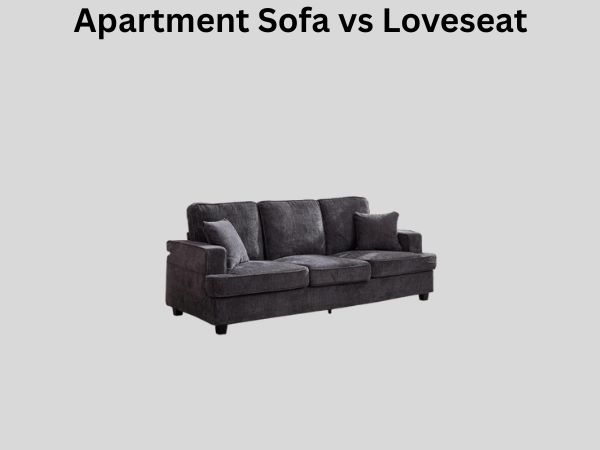
Apartment Sofa vs Loveseat: Which Seating Option Works Best for Your Compact Living Space?
When you’re living in an apartment, every square inch matters. I get it—you’ve probably stood in your living room more than once, staring at that empty corner and wondering what furniture would actually fit without making your space feel like a shoebox. The decision between getting an apartment sofa or a loveseat can feel surprisingly complicated, especially when you’re trying to balance comfort, style, and practicality all at once.
Let me walk you through everything you need to know to make the right choice for your specific situation. Trust me, by the end of this article, you’ll feel confident about which option will transform your apartment into a more comfortable and functional living space.
Understanding the Fundamental Differences Between Apartment Sofas and Loveseats
Before we dive into the specifics, let’s clarify what we’re actually talking about here. An apartment sofa and a loveseat might sound like interchangeable terms, but they’re actually quite different pieces of furniture with distinct purposes.
What Exactly Is an Apartment Sofa?
An apartment sofa, sometimes called a compact sofa or settee, is essentially a smaller version of a full-sized living room sofa. Think of it as the middle child of the furniture world—it’s bigger than a loveseat but doesn’t demand the space commitment of a traditional three-seater couch. Most apartment sofas are designed to comfortably seat two people, though sometimes you can squeeze in a third person if everyone’s friendly with each other.
The typical apartment sofa ranges from about 72 to 85 inches in width, making it significantly more spacious than its smaller cousin. These sofas often feature clean lines and contemporary designs that work well in modern apartments. They’re specifically engineered to provide that “just right” feel—comfortable enough for real living but compact enough not to overwhelm a smaller space.
What Defines a Loveseat?
A loveseat is genuinely the compact option in this conversation. The name itself hints at its purpose—it’s a sofa designed for two people sitting close together, hence the romantic association. Loveseats typically measure between 50 to 65 inches wide, making them significantly smaller than apartment sofas. They’re perfect for creating an intimate seating arrangement and excel at fitting into tight corners or narrow living rooms.
The loveseat has been around for centuries, originally designed for Victorian parlors where couples could sit together while maintaining proper social distances by 19th-century standards. Today, they’re still valued for their ability to maximize comfort in minimal square footage.
Measuring Your Space: The First Critical Step
Here’s something I wish someone had told me earlier in my apartment-hunting days: measuring your space isn’t just a suggestion—it’s absolutely essential. You need to approach this like you’re solving a puzzle, because essentially, you are.
How to Accurately Measure Your Living Area
Pull out a measuring tape and get to work. Measure the width, depth, and length of your actual living room space. Pay special attention to doorways—yes, that sounds obvious, but you’d be surprised how many people get a beautiful new sofa home only to discover it won’t fit through the entrance. Measure those diagonal distances in your doorways and hallways. Your furniture needs to navigate these spaces to actually get into your apartment.
Also consider the architectural features of your space. Do you have windows, radiators, or built-in shelving that will affect placement? Is your television mounted or on a stand? These details matter because they determine how much usable wall space you actually have available.
Understanding Furniture Dimensions Beyond Just Width
Most people focus only on how wide a sofa is, but that’s incomplete thinking. The depth of a sofa—how far it extends from the backrest to the front edge—matters tremendously. A sofa might be 78 inches wide but 38 inches deep, which could absolutely dominate a small living room. Meanwhile, a loveseat might be 58 inches wide but only 32 inches deep, giving you a different feel in the space.
Height also plays a surprising role. A taller sofa can make a room feel cozier because it creates more visual weight, while a lower-profile piece maintains a more open, spacious feeling. Think about what atmosphere you want to create in your apartment.
Evaluating Your Lifestyle and Actual Usage Patterns
This is where many people make mistakes. They choose furniture based on abstract ideas rather than how they actually live. Let me ask you some honest questions about yourself.
Do You Entertain Guests Regularly?
If you’re someone who loves hosting game nights, movie marathons with friends, or casual dinner hangouts, you probably need seating capacity. An apartment sofa gives you more flexibility here. You can comfortably seat three people on a quality apartment sofa, and in a pinch, four people can make it work. A loveseat maxes out at two, maybe three if someone’s sitting on the armrest.
However, if you’re more of an introvert who entertains maybe once or twice a month, a loveseat might serve you perfectly well. You’re not sacrificing usable living space for guest seating you rarely need.
How Do You Actually Use Your Sofa?
Be honest with yourself here. Do you sprawl out when you’re watching television? Do you like to nap on your sofa? Do you prop your feet up while reading? If you’re someone who values lounging space, you’ll appreciate the additional length and depth of an apartment sofa. A loveseat is frankly cramped if you want to stretch out.
Conversely, if you mostly use your sofa as a place to sit upright while watching television or working on your laptop, a loveseat provides perfectly adequate seating.
How Many Household Members Do You Have?
Live alone? A loveseat might be all you need, and you’ll have significantly more floor space in your apartment to breathe. Live with a partner who loves cuddling on the couch? An apartment sofa gives everyone more comfortable space without feeling cramped. Have roommates or a family? An apartment sofa becomes increasingly important.
Cost Considerations: Understanding Your Budget
Let’s talk money, because furniture investment is real money, and apartments usually come with limited budgets.
Price Range Expectations for Both Options
Loveseats typically range from about $400 to $2,500 depending on quality, materials, and brand. You can find decent budget loveseats for under $600, and premium options obviously cost more. The lower price point makes loveseats attractive for people furnishing apartments on tight budgets.
Apartment sofas generally run from $600 to $3,500 for quality pieces. You’re paying more because you’re getting more furniture—more seating surface, better structural support needed for additional weight distribution, and typically higher quality construction. That said, budget apartment sofas start around $500, so the price difference isn’t astronomical.
Hidden Costs to Consider Beyond Purchase Price
When you’re comparing prices, don’t forget about delivery. Many furniture stores charge $100 to $300 for delivery and assembly, and that cost is the same whether you’re buying a loveseat or a sofa. Some stores offer free delivery over certain price points, so that’s worth investigating.
Also factor in potential future repairs or reupholstering. Generally, these services cost roughly proportional to the size of the furniture, but it’s worth getting quotes from local upholsterers if durability is a concern.
Style and Aesthetic Considerations for Your Space
Your furniture should make you happy when you look at it, not just function as a place to sit.
Design Flexibility: What Works Better in Modern Apartments?
Apartment sofas, by their very nature, tend toward contemporary and modern designs. They’re built for efficiency, which often translates into sleek, minimalist aesthetics. You’ll find a huge variety of styles—mid-century modern, Scandinavian, industrial, and everything in between—but most lean toward clean lines and functional design.
Loveseats, meanwhile, come in virtually every design style imaginable. You can find traditional wingback loveseats that look like they belong in your grandmother’s parlor, or ultra-modern minimalist pieces. This variety gives you more stylistic freedom if you have a specific aesthetic vision for your apartment.
Color and Upholstery Options Available
Both apartment sofas and loveseats come in virtually every color and upholstery material you can imagine. You’ve got neutral tones, bold statement colors, patterns, leather, microfiber, linen, velvet—the options are genuinely endless. The upholstery choice matters more than the furniture type when it comes to color and texture.
However, consider that apartments typically have less visual space. A large dark apartment sofa can feel heavy and dominating in a compact living room, whereas a loveseat in the same color might feel perfectly balanced. Lighter colors and patterns tend to work better in smaller spaces, regardless of whether you choose a sofa or loveseat.
Comfort and Functionality: The Actual Living Experience
At the end of the day, furniture exists to be used, and if it’s not comfortable, it’s just an expensive decoration.
Seating Comfort Comparison Between Both Options
Apartment sofas typically offer more varied comfort zones. You’ve got different areas with different seat heights, back support levels, and cushion firmness. The middle seat provides different support than the ends. This variety means different people can find their perfect spot.
Loveseats, by their compact nature, offer more consistent comfort across the piece. You’re essentially getting two identical seats, which means if you love one position, you’ll probably love both. This uniformity appeals to people who want predictable comfort.
Back Support and Cushioning Quality
Both furniture types can offer excellent support depending on construction. What matters more than the furniture size is the internal structure. High-quality apartment sofas and loveseats both use hardwood frames, proper suspension systems, and quality foam or spring support. Don’t assume a bigger sofa automatically offers better support—that’s simply not true.
When shopping, sit on both options for at least five minutes. Notice how your back feels, whether your feet touch the ground properly, and whether the armrests support your arms at a natural height when you’re seated. This actual testing beats any specification sheet.
Practical Features and Storage Solutions
Apartment living rewards functionality and smart design choices.
Storage Options: Does Size Matter?
Some modern sofas and loveseats come with built-in storage underneath the seating area. This is genuinely valuable in an apartment where closet space might be limited. You can store extra blankets, pillows, or seasonal items in that hidden space.
Interestingly, storage capacity doesn’t necessarily correlate with furniture size. You’ll find excellent storage solutions in both apartment sofas and loveseats. Look for models specifically designed with this feature rather than assuming bigger furniture automatically means more storage.
Convertible and Multi-Functional Options
This is where apartment living gets creative. Many furniture manufacturers now offer convertible loveseats that pull out into beds, and apartment sofas with the same feature. Some models have ottomans that separate for additional seating or combine for extra lounging space.
If you frequently have overnight guests or want your seating to double as a sleeping surface, these convertible options deserve serious consideration. They’re genuinely space-savers in apartments where every square foot counts.
Adaptability to Different Apartment Layouts
Different apartment configurations call for different furniture solutions.
Small Studio Apartments
In a studio where your bedroom and living room are literally the same space, a loveseat is probably your best friend. It provides comfortable seating without making your open-concept space feel completely dominated by furniture. A loveseat leaves room for other essential pieces like a bed, desk, or dining table.
One-Bedroom Apartments
With a dedicated bedroom and living room, you have more flexibility. An apartment sofa becomes a viable option if your living room has decent square footage. You can use the additional seating for entertaining, and you won’t feel like the room is disproportionately dedicated to the sofa.
Long, Narrow Living Spaces
Some apartments have living rooms that are long but narrow—think railroad-style layouts. In these configurations, a loveseat might actually work better than an apartment sofa because you can angle it or position it without blocking traffic flow. Test your specific layout with measurements before committing to either option.
Making Your Final Decision: A Practical Framework
By now, you’ve considered all the major factors. Let me give you a structured approach to making your final choice.
Creating Your Decision Checklist
Go through these questions and score each one honestly:
- Do I have less than 150 square feet of living space? (Favors loveseat)
- Do I regularly entertain groups of three or more people? (Favors apartment sofa)
- Do I spend more than four hours per day on my sofa? (Favors apartment sofa)
- Is my budget under $800? (Favors loveseat)
- Do I frequently have overnight guests? (Consider convertible options)
- Do I value being able to sprawl out and lounge? (Favors apartment sofa)
- Am I moving frequently? (Favors loveseat—easier to transport)
- Is my living room narrow or oddly shaped? (Consider loveseat)
If more questions lean toward apartment sofa, that’s likely your answer. If more lean toward loveseat, you’ve found your match.
Testing Before You Buy
Never, and I mean never, buy a large piece of furniture without sitting on it first. Visit showrooms, spend time actually using the furniture, and imagine yourself living with it in your apartment. This single step prevents more furniture regrets than any amount of research.
Also verify the return policy. Some retailers offer 30-day return windows—that’s your safety net if you get it home and realize it doesn’t work in your space after all.
Maximizing Your Choice: Tips for Making Either Option Work
Whichever you choose, there are strategies to make it work beautifully in your apartment.
Space Optimization Techniques
Pair your sofa or loveseat with a small side table rather than a massive coffee table. Use vertical wall space for shelving instead of spreading furniture across the floor. These choices make your apartment feel larger even with furniture in it.
Consider accent chairs or ottomans that can be moved or stored rather than heavy secondary pieces. This gives you flexibility to adjust your layout seasonally or when entertaining guests.
Lighting and Arrangement Strategies
Good lighting makes spaces feel larger and more comfortable. Add floor lamps beside your sofa or loveseat to create co
![10 Best Budget L Shape Sofa [2026]](https://hometopaccesories.com/wp-content/uploads/2026/08/10-best-budget-l-shape-sofa-2026-featured-768x432.jpg)


![10 Best Convertible Sectional Sofa [2026]](https://hometopaccesories.com/wp-content/uploads/2026/09/10-best-convertible-sectional-sofa-2026-featured-768x432.jpg)