
How to Choose a Sofa: A Practical Buyer’s Guide
Choosing the right sofa comes down to three things: measuring your space, knowing how you actually live, and picking a frame and fabric that can handle daily wear. Get those right, and you’ll have a couch you love for a decade or more. Get them wrong, and you’ll be watching delivery guys try (and fail) to squeeze it through your door.
Here’s the thing — most of us buy a sofa because it looked pretty in the showroom or online. Then reality hits. The cushions sag, the color clashes with your rug, and suddenly your “dream couch” feels more like a regret. That’s why we researched what interior experts and designers actually recommend before pulling the trigger.
The good news? You don’t need a design degree to make a smart pick. After digging through expert advice, we found that a few simple checks can save you thousands of dollars and years of frustration.
- Measure first — including doorways and hallways, not just the room.
- Pick a frame built from solid hardwood for the longest lifespan.
- Match the fabric to your lifestyle — pets, kids, and spaghetti nights included.
- Test the cushions — sit on it before you buy whenever possible.
- Set a real budget that includes delivery and, maybe, a stain protector.
Below, we break down everything you need to know about how to choose a sofa, step by step — so you can shop with confidence instead of second-guessing yourself at every turn.
Picking the Right Sofa for Your Home
The best sofa is the one that fits your room, your routine, and your rear end — in that order. We found that shoppers who nail those three things almost never regret their purchase. So let’s walk through it together, step by step.
Measure Everything, Then Measure Again
Grab a tape measure before you fall in love with anything. Measure the room, the wall, and — here’s the part people forget — the path the sofa takes to get there. Doorways, hallways, stairwells, and elevator doors have ended more couch dreams than any fabric stain ever could. Our step-by-step guide to measuring sofa width correctly walks through each number to record.
Write down the width, depth, and height of your space. Then add breathing room. Many designers suggest leaving 18 inches between the sofa and your coffee table so you can actually walk around it.
The Delivery Path Test
Measure your narrowest doorway and hallway. If your sofa’s boxed depth is wider than that number, you’ve got a problem. Some retailers offer removable legs or flat-pack designs that squeeze through tight spots — worth checking before checkout.
Don’t Forget the Angles
A straight shot through the front door is easy. Corners are not. If your sofa has to turn a corner or climb stairs, the diagonal depth matters more than the width. We found that many “it won’t fit” stories come down to one stubborn corner.
Know How You Actually Live
Be honest with yourself here. Do you have a dog who thinks the couch is his? Kids who eat popsicles on movie night? A spouse who naps every Sunday? Your lifestyle should drive your choice more than any catalog photo.
Pets, Kids, and Real Life
Light gray velvet looks dreamy — until a muddy paw print tells a different story. If your home gets messy fast, lean toward durable, darker fabrics or performance materials designed to repel stains. If it’s just you and a glass of wine on Fridays, you can afford to be pickier about looks.
How Many People Will Sit on It?
A two-seater is cozy for a couple. A family of four needs something wider, with cushions that hold their shape. Think about movie nights, game days, and the occasional nap-in-progress before you settle on a size.
Frame and Cushion Quality Come First
The frame is the skeleton. If it’s weak, nothing else matters. Many experts say a solid hardwood frame — like oak, ash, or beech — outlasts particleboard by years. Give the sofa a gentle push in the corner. If it wobbles or creaks, walk away.
What to Look for in Cushions
Sit the way you actually sit. Lean back. Kick your shoes off. Cushions should bounce back when you press them, and springs should feel firm, not hollow. Foam wrapped in fiber or down offers a good balance of soft and supportive for most people.
| Feature | Good Sign | Red Flag |
|---|---|---|
| Frame | Solid hardwood, joined corners | Particleboard, glued staples |
| Cushions | High-density foam, rebound quickly | Flatten easily, feel airy or hollow |
| Fabric | Tight weave, performance finish | Loose weave, snags easily |
| Warranty | 5–10 years on frame | 90 days or nothing |
Choose a Fabric That Fits Your Life
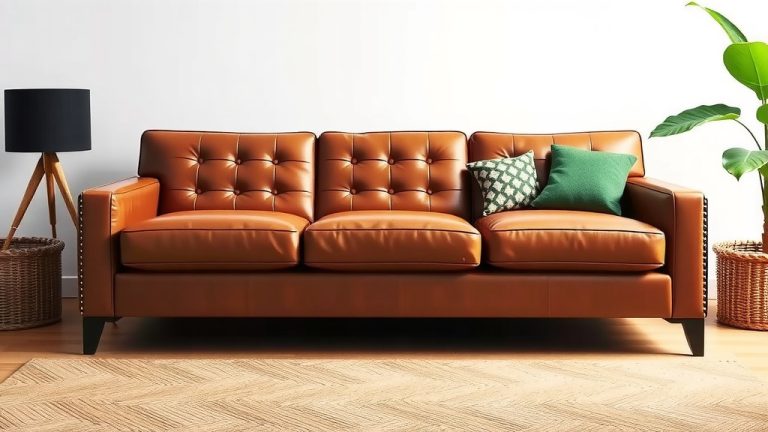
Fabric is where comfort meets reality. Leather wipes clean but can feel cold in winter and shows scratches. Microfiber resists stains. Performance fabrics like those marketed for pets and kids handle spills better than most. We found that shoppers who matched fabric to lifestyle were the happiest long-term.
Color and Style That Last
Trendy colors are fun — on throw pillows. For the sofa itself, neutral tones give you flexibility. You can change the whole room’s look with pillows and blankets for under $100 instead of buying a new couch every few years.

Size and Shape: Match the Sofa to the Room
A giant sectional in a small living room is like a bear in a bathtub. It just doesn’t work. Small spaces do better with loveseats or apartment-size sofas. Big open rooms can handle sectionals or a sofa with a matching loveseat.
- Small room: Loveseat or a slim-arm sofa keeps things airy.
- Medium room: A standard 84-inch sofa fits most layouts.
- Large room: Sectionals or sofa-plus-chaise fill space comfortably.
- Awkward layout: Consider a loveseat-plus-ottoman combo you can rearrange.
Set a Budget You Can Actually Live With
Decide your number before you shop — and stick to it. Include delivery fees, assembly, and maybe a fabric protector. Many experts suggest treating a good sofa as a long-term investment; a well-built one can last 10 years or more with basic care.
That said, expensive doesn’t always mean better. We found plenty of mid-priced sofas with solid frames and honest warranties. Read reviews, check the return policy, and don’t be shy about asking what’s inside the frame.
Where to Splurge and Where to Save
Splurge on the frame and cushions — those are the parts you can’t easily fix. Save on style extras like tufting or specialty legs. And here’s a friendly tip: a slipcover can hide a lot of sins (and spaghetti).
Always Test Before You Commit
Photos lie. Showrooms don’t. If you can, sit on the sofa for a full five minutes. Feel the depth, the back support, the arm height. If buying online, check the return window first and read reviews from people who’ve owned it for a year — not just a week.
Your Quick Pre-Purchase Checklist
- Measured the room, doorways, and hallways? Done and written down.
- Checked the frame? Hardwood, no wobble, no creaks.
- Sat on it? Cushions rebound and support your back.
- Matched fabric to lifestyle? Kids, pets, and snack nights accounted for.
- Confirmed the return policy? In writing, before you pay.
- Budget includes delivery? No surprise fees at the door.
Run through this list and you’ll skip the regret most of us have felt at least once. Happy shopping — and may your doorways be ever generous.
Conclusion
Choosing a sofa doesn’t have to feel like a gamble. Measure your space and your delivery path, be honest about how you live, and put your money into a solid frame and supportive cushions. Pick a fabric that forgives real life, stick to a budget that includes delivery, and test before you commit whenever you can. We found that shoppers who follow those steps end up with a couch they still love a decade later. So here’s your next move: grab a tape measure, jot down your room and doorway numbers, and take that checklist with you when you shop. Your future self — sprawled comfortably on the right couch — will thank you.
Frequently Asked Questions
How long should a good sofa last?
A well-built sofa with a hardwood frame and quality cushions should last 7 to 15 years with normal use. Cheaper models made with particleboard often start sagging within 3 to 5 years. If you’re replacing a sofa every couple of years, you’re likely spending more over time than buying one good piece upfront.
Is it better to buy a sofa online or in a store?
Stores let you test comfort and inspect build quality in person, which matters a lot with seating. Online shopping offers wider selection and often better prices, but you’re betting on photos and reviews. If you buy online, we found the safest route is choosing retailers with free returns and reading reviews from long-term owners.
What sofa color is easiest to keep clean?
Mid-tone colors like taupe, gray-beige, and navy hide everyday dirt better than white or black. Pure white shows every crumb, while very dark fabric shows dust, lint, and pet hair. If you want light colors anyway, look for washable covers or performance fabric rated for stain resistance.
Should I buy a sectional or a regular sofa?
Sectionals shine in large rooms or open floor plans where you host a lot of people. They’re harder to move, though, so they’re risky if you relocate often. A standard sofa offers more flexibility — you can rearrange it, take it with you, or pair it with chairs as your needs change.
What does seat depth mean, and why does it matter?
Seat depth is the distance from the front edge of the cushion to the backrest. Shallow seats (around 20 inches) suit shorter people and upright sitting, while deeper seats (24 inches or more) are better for lounging and tall folks. If you like curling up to watch movies, err on the deeper side.