How Far Should a Sofa Be From a Radiator?
When placing a sofa near a radiator, aim for a gap of at least 12 to 18 inches. This distance ensures proper heat distribution and prevents potential damage to your furniture. Keeping your sofa a safe distance allows your heating system to work more efficiently.
Understanding radiator clearance is key for both comfort and safety. Too close, and you risk overheating or even damaging your sofa’s fabric and frame. Too far, and you might not get the full benefit of your heating. We’ve researched common recommendations to help you find that sweet spot.
- Keep sofas at least 12-18 inches from radiators.
- This prevents heat damage and improves warmth circulation.
- Avoid blocking radiators to maximize heating efficiency.
- Consider sofa material and radiator heat output.
Let’s walk through exactly why this spacing matters and how to achieve the perfect setup in your living space.
Getting Your Sofa Placement Just Right Near a Radiator
So, you’ve got a comfy sofa and a radiator that keeps your toes toasty. Now you’re wondering about the best spot for that sofa. You want it close enough to feel the warmth, but not so close that it causes problems. We’ve looked into what experts and common sense suggest for this common living room puzzle.
Understanding the Heat Zone: Why Distance Matters
Radiators work by heating the air around them. This warm air then rises and circulates through your room. If your sofa is too close, it can act like a giant barrier. This blocks the natural flow of warm air. It’s like putting a big blanket over your heat source. You might find that one side of your room stays chilly while the other feels too hot.
The heat radiating from a radiator can also affect your sofa directly. Over time, constant exposure to high heat can damage the upholstery. Fabrics might fade, become brittle, or even shrink. The internal frame of your sofa could also weaken. So, finding that ideal distance is about comfort, efficiency, and protecting your furniture investment.
The Science of Airflow and Your Heating System
Your heating system is designed to work efficiently when air can move freely. When a sofa, or any large furniture, is too near a radiator, it disrupts this cycle. The system might have to work harder to reach your desired temperature. This can lead to higher energy bills. It’s a simple principle: give the heat room to breathe. Many HVAC professionals recommend keeping a clear zone around heat sources.
The Recommended Sofa-to-Radiator Gap
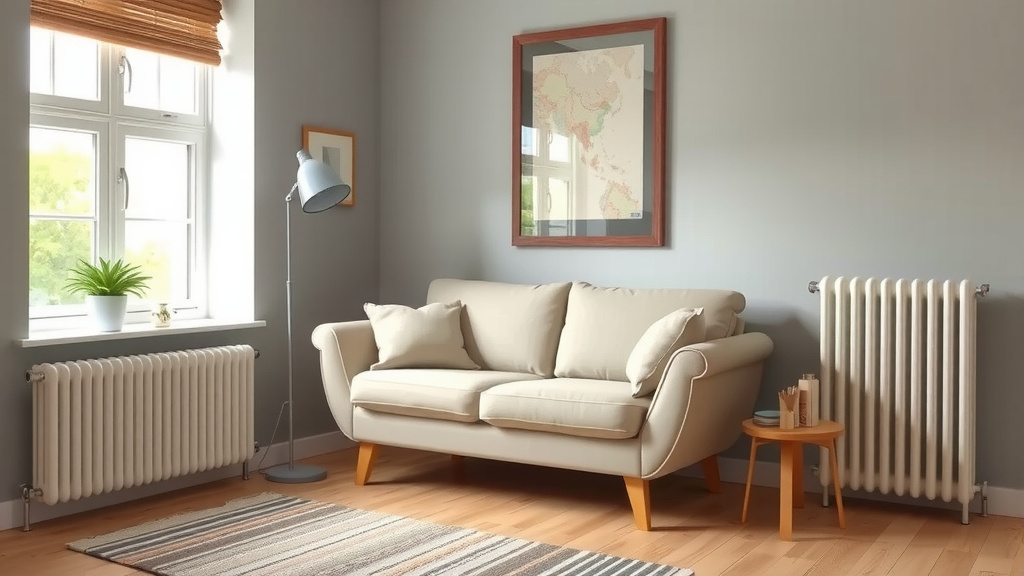
Based on research and common practice, a gap of 12 to 18 inches is generally considered the sweet spot. This range provides enough space for heat to circulate effectively. It also offers a safety buffer to protect your sofa from excessive heat.
Think of it as giving your radiator its own personal space. This allows the heat to rise and spread out across the room. It prevents the hot air from being trapped right next to your sofa’s cushions. This distance is a good rule of thumb for most standard radiators and sofas. It balances your need for warmth with the need for proper heating mechanics.
What If My Radiator is Extra Hot?
Some radiators, especially older cast-iron models, can get quite hot. If you have a particularly powerful or high-output radiator, you might want to err on the side of caution. Consider increasing the gap to the higher end of the recommended range, or even slightly more. It’s always better to be safe than sorry when dealing with heat.
Factors Influencing Your Sofa Placement Decision
While 12-18 inches is a great starting point, a few other things might influence your decision. Your sofa’s material is a big one. Some fabrics are more sensitive to heat than others. A plush velvet might react differently than a sturdy leather.
Also, consider the type of radiator. A panel radiator might distribute heat differently than a finned radiator. The size and shape of your room play a role too. A small, enclosed space might require more careful placement than a large, open-plan area. We’ve put together a quick guide to help you think through these details.
| Factor | Impact on Placement | Recommendation |
|---|---|---|
| Radiator Heat Output | Higher heat output requires more distance. | Increase gap if radiator is very hot. |
| Sofa Material | Delicate fabrics are more susceptible to heat damage. | Ensure ample space for heat-sensitive materials. |
| Sofa Size | Larger sofas can block airflow more effectively. | Maintain good clearance even for smaller pieces. |
| Room Size | Smaller rooms may need more strategic placement. | Avoid overcrowding; prioritize airflow. |
Sofa Material Matters More Than You Think
Let’s talk about your sofa’s clothes. If your sofa is upholstered in a synthetic material like polyester, it might be a bit more forgiving. However, natural fibers like cotton, linen, or wool can be more vulnerable. They can become faded or brittle with prolonged heat exposure. If your sofa has delicate details like fringe or tassels, these can also be affected.
We’ve found that many manufacturers of upholstered furniture recommend keeping pieces at least three feet away from direct heat sources. While a radiator isn’t always “direct” heat, this guideline highlights the sensitivity of some materials. Always check your sofa’s care tag if you’re unsure about its heat tolerance.
Maximizing Heat Distribution in Your Room
Placing your sofa thoughtfully isn’t just about avoiding damage; it’s about making your heating system work for you. When you give your radiator the space it needs, you’re helping to create an even temperature throughout the room. This means fewer cold spots and a more comfortable living environment overall.
Consider the direction of your airflow. Radiators typically heat the air in front of them. Placing your sofa directly opposite or to the side, with adequate clearance, allows that warm air to circulate into the seating area. If your sofa is blocking the primary flow, you might end up with a warm wall and a cooler sofa.
Creative Solutions for Tricky Spaces
What if your radiator is smack-dab behind where you’d ideally place your sofa? Don’t despair! There are solutions. One common approach is to use a radiator cover. These can help diffuse the heat more evenly and can also serve as a decorative element. Just ensure the cover itself doesn’t trap heat excessively.
Another idea is to adjust your furniture arrangement slightly. Can you angle your sofa? Can you place a smaller side table or an ottoman in front of the radiator instead of the main seating area? Sometimes, even a few inches of adjustment can make a big difference. We found that thinking outside the box often leads to the best solutions.
Your Sofa Placement Checklist
To help you get this right, here’s a quick checklist. Keep these points in mind as you position your sofa:
- Measure the distance: Aim for 12-18 inches.
- Check your sofa material: Is it heat-sensitive?
- Assess your radiator: Is it a high-output model?
- Consider room layout: Where does the heat naturally flow?
- Test the temperature: Place your hand near the sofa fabric.
- Adjust as needed: Don’t be afraid to tweak the position.
Conclusion
You’ve learned that keeping your sofa about 12 to 18 inches from a radiator is your best bet. This simple step protects your furniture from heat damage and helps your heating system run more efficiently. You don’t want your sofa acting as a heat blocker. It’s about balancing warmth, comfort, and the longevity of your furniture. Consider your sofa’s material and your radiator’s heat output when making your final placement decision. Now, go measure that space and enjoy a perfectly heated, cozy room!
Frequently Asked Questions
Will my sofa catch fire if it’s too close to the radiator?
While direct ignition is rare, prolonged exposure to excessive heat can damage your sofa’s fabric and internal structure. It can make materials brittle or even cause discoloration. Maintaining a safe distance of at least 12-18 inches is primarily about preventing gradual damage and ensuring safe operation.
Can I use a radiator cover with my sofa placement?
Yes, radiator covers can be a good option, especially if you have a particularly hot radiator. They can help diffuse heat more evenly and add a decorative touch. Just ensure the cover itself doesn’t trap heat, potentially reducing efficiency or causing its own issues.
What if my radiator is on the wall behind my sofa?
If the radiator is directly behind where you want your sofa, you’ll need to get creative. Consider angling the sofa slightly or placing a smaller, less obstructive piece of furniture there, like an ottoman or a slim console table. Maintaining some airflow is key, even if it means a slight compromise on exact placement.
How do I know if my sofa material is heat-sensitive?
Natural fibers like cotton, linen, and wool are generally more sensitive to heat than synthetic blends. If your sofa has delicate details or a light color, it’s more likely to show signs of heat damage like fading or brittleness. Always check the manufacturer’s care tag for specific recommendations.
Does the type of radiator matter for sofa placement?
Yes, the type and output of your radiator can influence the ideal distance. Older, high-output cast-iron radiators might get hotter and require more clearance than newer, more controlled panel radiators. If you’re unsure, it’s always better to err on the side of caution and provide more space.
![10 Best Constructed Sofa Brands [2026]](https://hometopaccesories.com/wp-content/uploads/2026/09/10-best-constructed-sofa-brands-2026-featured-768x432.jpg)