How to Choose a Sofa for a Small Living Room: Expert Tips
Choosing a sofa for a small living room starts with one rule: measure your space first, then pick a loveseat or compact sofa under 72 inches wide with low arms and visible legs. Skip the giant sectionals, no matter how tempting they look at the store. The right size and shape can make a tiny room feel twice as big.
We researched what interior designers recommend and found a few patterns worth copying. Light colors, raised legs, and slim profiles all help a room breathe visually. Many experts also say placement matters just as much as size, because a sofa pushed against the right wall can open up your whole floor plan. Ever noticed how some small rooms feel cozy while others feel cramped? That’s usually the difference.
- Measure your room and doorways before you shop.
- Pick a sofa under 72 inches wide for most small spaces.
- Choose light colors and fabrics that won’t overwhelm the room.
- Look for raised legs to create a sense of open space.
- Place your sofa against the longest wall to maximize walking room.
Below, we break down everything you need to know about picking the perfect small-space sofa, from measuring tips to fabric choices. Grab a tape measure, and let’s find you a couch that actually fits.
Finding the Right Sofa Size for Your Small Living Room
The best sofa for a small living room is one that leaves at least 3 feet of walking space around it. That usually means a loveseat, an apartment-size sofa, or a compact settee between 60 and 72 inches wide. Anything bigger, and your room starts to feel like a furniture showroom you can’t move through.
Here’s a quick guide we put together based on what designers commonly recommend:
| Room Width | Recommended Sofa Size | Best Style |
|---|---|---|
| Under 10 feet | 52–64 inches | Loveseat or settee |
| 10–12 feet | 64–72 inches | Compact sofa, low arms |
| 12–14 feet | 72–84 inches | Full-size sofa, slim profile |
Keep in mind these are starting points, not hard rules. Your doorways, windows, and traffic paths matter just as much as the room’s raw size.
Measure First, Shop Second
Grab a tape measure before you fall in love with anything online. Measure the wall where the sofa will go, plus the width and height of every doorway and hallway on the delivery path. Nothing stings like a couch that fits the room but not the front door.
We found that many delivery headaches come from skipped measurements. Write your numbers down and bring them shopping. Your future self will thank you.
The Two-Thirds Rule
Many interior designers suggest your sofa should take up about two-thirds of the wall it sits against. So a 12-foot wall pairs nicely with an 8-foot sofa or smaller. This keeps the room from looking either stuffed or empty.
Not great at eyeballing fractions? Painter’s tape on the floor works wonders. Tape out the sofa’s footprint and walk around it. You’ll know in two minutes if it feels right.
Styles That Make Small Rooms Feel Bigger
The shape of your sofa can trick the eye. Some styles visually disappear into a room, while others squat down like they’re claiming territory. Here are the winners for tight spaces.
Raised Legs and Open Space
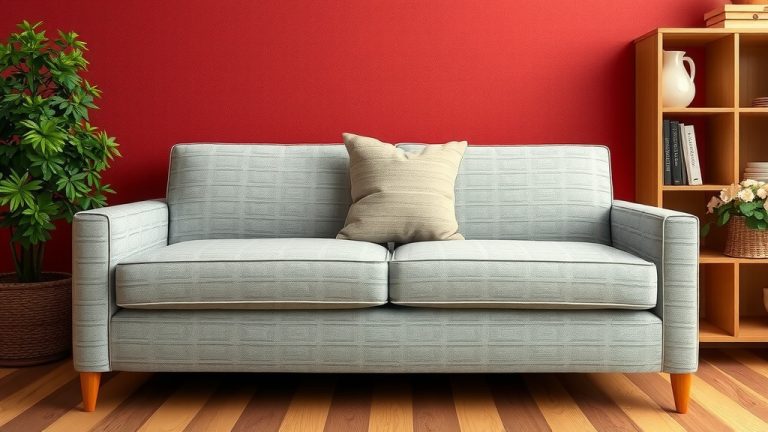
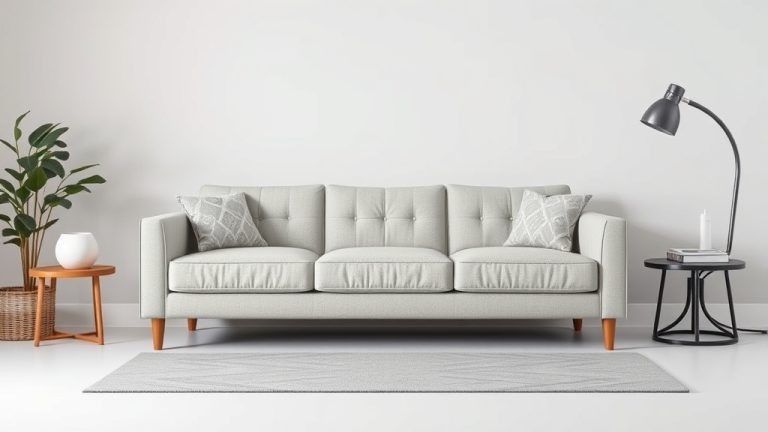
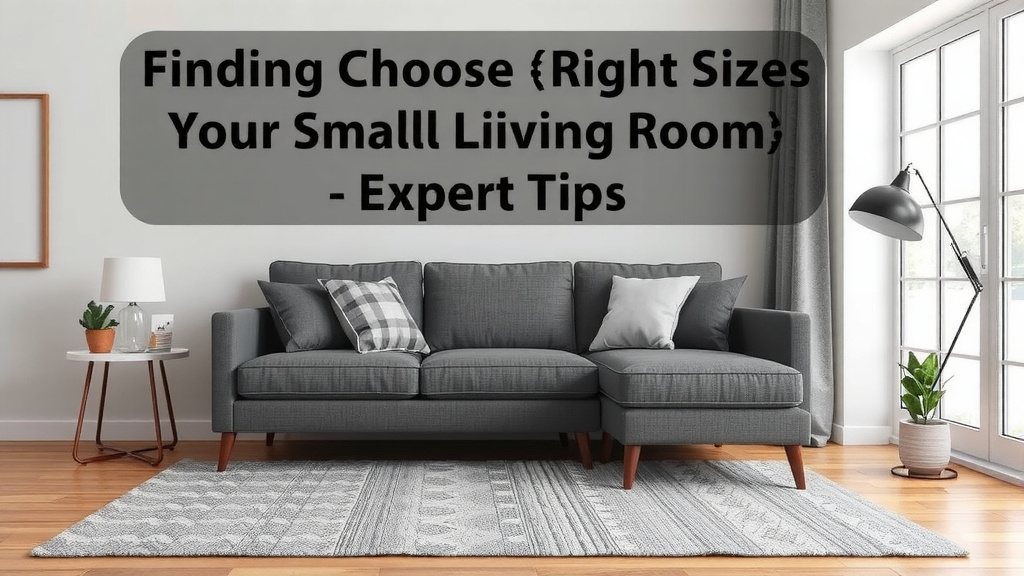
Sofas with visible legs let light flow underneath, which makes the floor feel more open. It’s the same reason skirting boards look lighter than solid walls. Many experts say this one detail can make a room feel noticeably airier.
Mid-century modern styles usually nail this look. Tapered wooden legs, slim frame, open underneath. Classic for a reason.
Low Arms and Slim Backs
Arms eat space faster than anything else on a sofa. A low-arm or track-arm design keeps the overall profile tight without cutting into seating room. T-arms and slim rolled arms are friendlier to small rooms than big pillow-top arms.
Ask yourself: do you actually rest on the arms, or do they just hog elbow room? If you’re honest, most of us lean, not lounge.
Sleeper Sofas and Storage Options
If guests visit often, a compact sleeper sofa can pull double duty. Some modern pull-out models fit in under 70 inches of width. Storage ottomans and sofas with hidden compartments can also cut clutter, which matters more in tight rooms.
One honest note: sleeper mechanisms add bulk and weight. Test one in person if you can, since some pull-outs are smoother than others.
Colors and Fabrics for Tight Spaces
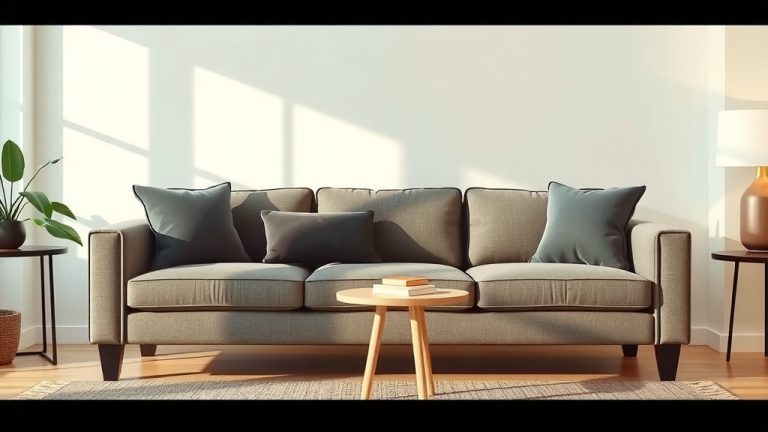
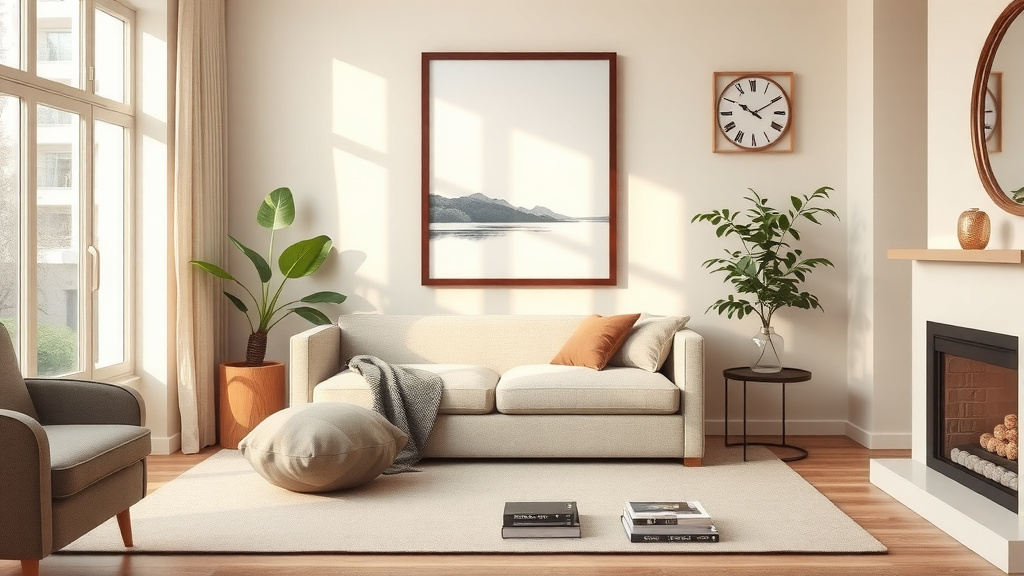
Light and neutral colors make walls feel like they’re moving backward. That’s why cream, light gray, and soft beige show up so often in small-space design. Dark colors aren’t banned, but they need balance from lighter walls and floors.
Fabric matters too. Performance fabrics and tight weaves hold up better in high-traffic rooms. Many cleaning guides recommend vacuuming upholstery regularly to control dust and allergens, which is worth remembering in a room where everything sits close together (Mayo Clinic).
Patterns vs. Solids
Solids keep the look calm. If you crave pattern, go small and subtle, like a fine texture or tight weave. Big bold prints can overwhelm a compact room and make the sofa feel like it’s shouting.
Where You Put the Sofa Matters More Than You Think
Placement is the free upgrade. A sofa floated a few inches off the wall can actually make a room feel bigger, even though it sounds backwards. Blocking windows with a tall-backed sofa does the opposite.
Most designers suggest anchoring the sofa against the longest unbroken wall and keeping pathways clear. If your room has an odd layout, an armless sofa or two smaller chairs may beat one big couch entirely.
Smart Extras Worth Considering
A few add-ons can stretch your space without stretching your budget.
- Armless accent chairs that tuck into corners.
- Nesting side tables instead of one big coffee table.
- A round or oval ottoman that doubles as extra seating.
- Wall-mounted lighting to free up floor space.
- A mirror on the opposite wall to bounce light around.
Your Small-Space Sofa Shopping Checklist
Before you click buy or head to the showroom, run through this list:
- Measured the wall, doorways, and hallways.
- Confirmed sofa width is under 72 inches.
- Checked arm height and leg style.
- Chosen a light or neutral fabric.
- Planned placement on the longest wall.
- Left at least 3 feet of walking room around it.
Check every box, and you’ll end up with a sofa that fits your room and your life. Small space, smart choice. That’s the whole game.
Conclusion
You’ve got everything you need to pick a sofa that fits your small living room and your life. Measure first, keep the width under 72 inches, and favor low arms with visible legs. Light fabrics, slim profiles, and smart placement do the rest. We researched what designers recommend, and the pattern is clear: smaller, lighter, and more open wins every time in a tight space. Now here’s your next step. Grab that tape measure tonight, jot down your wall and doorway numbers, and tape out a footprint on the floor. When you shop, you’ll know exactly what fits, and you won’t waste a weekend on returns.
Frequently Asked Questions
Should I get a sectional in a small living room?
Usually not. Even a small L-shaped sectional tends to swallow floor space and block walking paths. If you love the look, consider a two-piece setup with a compact sofa and a separate armless chair instead.
Is a loveseat enough seating for guests?
It can be, especially when paired with an accent chair or an ottoman that doubles as a seat. Many hosts find flexible seating works better than one big couch. You can also rearrange lighter pieces when company comes over.
Can a dark-colored sofa work in a small room?
Yes, but balance is key. Pair a navy or charcoal sofa with light walls, a pale rug, and bright accents so it doesn’t weigh the room down. One dark anchor piece can even add a nice sense of depth.
Should my sofa match the rest of my furniture?
No, and matching sets can actually make a small room feel more crowded. Mix styles with a shared color or material thread, like matching wood tones. The variety keeps things interesting without adding bulk.
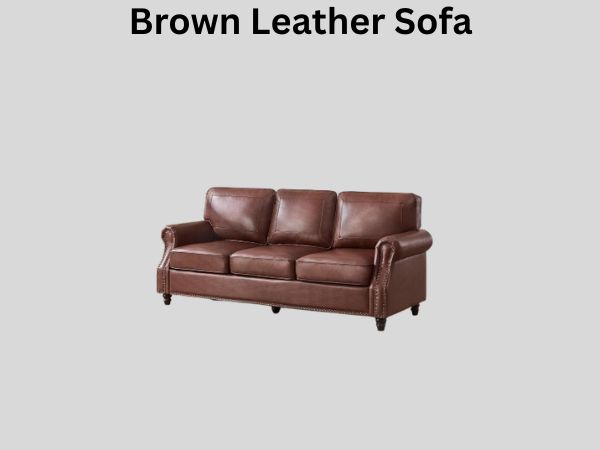
Leather or fabric sofa for a small living room?
Both work, so it comes down to your lifestyle. Leather wipes clean and holds its shape, while fabric offers more colors and a softer feel. If you have kids or pets, look at performance fabrics or treated leather first.