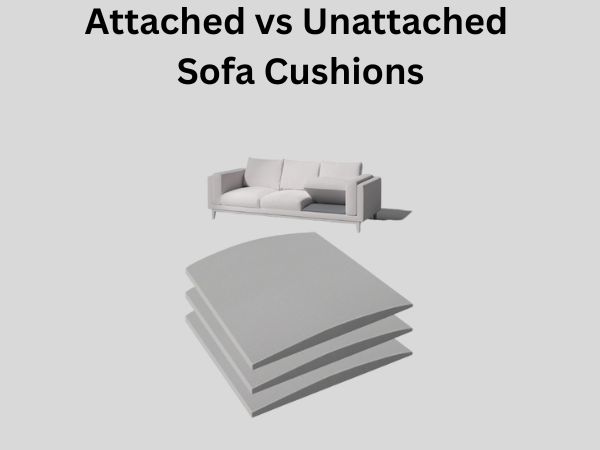
Attached vs Unattached Sofa Cushions: The Complete Buyer’s Guide to Comfort and Style
When you’re shopping for a new sofa, you’re probably thinking about color, size, and how it’ll look in your living room. But here’s something many people overlook until they’re sitting on their new couch: the cushions. More specifically, whether you want attached or unattached cushions. This might sound like a minor detail, but trust me, it makes a world of difference in how your sofa feels, functions, and holds up over time.
I’ve spent years helping people navigate furniture decisions, and I can tell you that cushion attachment is one of those choices that quietly impacts your daily comfort and long-term satisfaction. So let’s dive deep into this topic and explore everything you need to know.
What Exactly Are Attached and Unattached Sofa Cushions?
Before we can compare these two options, we need to understand what we’re actually talking about. Let me break this down for you.
Understanding Attached Cushions
Attached cushions are literally sewn or glued directly to the sofa frame. They’re permanent fixtures—kind of like how your car’s upholstery is integrated into the vehicle itself. These cushions don’t move around; they’re designed to stay exactly where the manufacturer placed them. When you order a sofa with attached cushions, you’re getting a seamless, unified piece of furniture where the cushioning is an integral part of the structure.
Think of it like this: an attached cushion sofa is similar to a piece of chocolate cake where the frosting is baked into every layer. It’s all one cohesive unit from the moment you receive it.
Understanding Unattached Cushions
Unattached cushions, on the other hand, sit loosely on top of the sofa frame. They’re not secured to anything—you can pick them up, move them around, flip them over, or even take them off entirely. They’re more like throw pillows that happen to be large and are meant to be used as seat cushions. This flexibility is a game-changer for some people.
Imagine unattached cushions as the toppings on a pizza. They’re there, they’re part of the experience, but you can modify them as you see fit.
The Comfort Factor: Which Feels Better?
Now, let’s talk about what really matters when you sink into a sofa: comfort. And here’s where things get interesting because there’s no universally “right” answer.
How Attached Cushions Affect Comfort
Attached cushions provide a consistent, predictable comfort experience. Every time you sit down, you’re getting the exact same feel because nothing shifts around. The cushions won’t develop gaps between them, and they won’t slide to one side if you’re sitting unevenly. This consistency is particularly valuable if you have specific ergonomic needs or prefer a standardized seating experience.
Many people find attached cushions to be more supportive because they don’t compress and move independently. The entire sofa works as one unified system, distributing your weight evenly across the frame and cushioning. It’s like having a mattress that maintains its shape exactly as designed, night after night.
However—and this is important—attached cushions can feel less forgiving if the foam quality isn’t excellent. Since you can’t flip or rotate them, any soft spots or compression will remain permanent and noticeable.
How Unattached Cushions Affect Comfort
Unattached cushions offer a different kind of comfort. They’re more dynamic. You can adjust them to your preference, flip them to distribute wear evenly, and customize your seating arrangement based on how you’re feeling that day. If you like a firmer seat, you can use fewer cushions or flip them to a fresher side. If you want something softer, you can fluff them up and arrange them however you like.
This adaptability appeals to people who shift positions frequently or who have different comfort preferences than their partner. You’re not locked into one configuration—your sofa can evolve with your comfort needs.
That said, unattached cushions do shift around. Over time, you might notice they don’t sit perfectly aligned, or there might be small gaps that develop between them. Some people find this endearing and natural; others find it annoying.
Comparing Initial Comfort Feel
When you first sit on an attached cushion sofa, you’re experiencing the designer’s intended comfort level exactly as they envisioned it. With unattached cushions, you might spend your first few weeks arranging and rearranging to find your perfect setup. Neither is objectively better—it depends on whether you value consistency or customization.
Durability: Which Lasts Longer?
Let’s talk about longevity because a sofa is a significant investment.
Wear Patterns in Attached Cushions
Attached cushions wear unevenly because you can’t rotate or flip them. The area where you typically sit gets compressed more than the edges. Over three to five years, you’ll likely notice that one or two spots on the sofa are noticeably softer than others. This is particularly visible if you always sit in the same spot—which most of us do.
The trapped nature of attached cushions means this wear is essentially permanent. You can’t extend the life by rotating them because they don’t move. This can be frustrating if you were hoping your sofa would last a decade or more without developing noticeable soft spots.
Wear Patterns in Unattached Cushions
Here’s where unattached cushions shine. When you flip and rotate them regularly, you dramatically extend their useful life. Instead of one spot getting all the abuse, you’re distributing the wear across multiple surfaces. Many people find that unattached cushions stay in decent condition for seven to ten years with proper rotation—sometimes even longer.
It’s similar to rotating your car’s tires. By moving them around, you ensure even wear and extend the overall lifespan significantly.
Frame and Structure Durability
The frame itself—whether attached or unattached—doesn’t really differ in durability. What matters is the quality of the wood, the joinery, and the overall construction. However, unattached cushions might slightly protect the frame and overall structure because you can distribute weight differently and give various parts of the sofa breaks from constant pressure.
Maintenance and Cleaning: What’s Actually Easier?
Real talk: how easy is it to keep your sofa clean? This matters more than you might think, especially if you have kids, pets, or just enjoy eating snacks while watching TV.
Cleaning Attached Cushions
Attached cushions are trickier to clean thoroughly. You can spot-clean them, of course, but you can’t remove them to do a deep clean or get to the crevices where they meet the frame. If a spill happens in the seam between two cushions, you’re working around a challenging angle. Professional cleaners find attached cushions more difficult to work with because there’s less accessibility.
That said, attached cushions won’t accumulate dirt and debris underneath like unattached ones can. If you spill something, it’s contained to the cushion surface, which you can then clean.
Cleaning Unattached Cushions
This is unattached cushions’ major advantage. You can remove them entirely, vacuum underneath, and even take them outside for a good airing out. If one cushion gets heavily stained, you can clean it separately or even send it to a professional cleaner without affecting the sofa frame.
You can also spot-clean the sofa base itself without working around fixed cushions. And if you have a piece of the cushion cover under warranty, you might be able to replace just that piece.
The downside? Crumbs, dust, and debris can accumulate in the gaps under the cushions, and you need to be diligent about regular vacuuming to prevent this from becoming a visible problem.
Cover Replacement and Updates
If your unattached cushions have removable covers, you can update them without replacing the entire cushion. Want to refresh your sofa’s look in a new color? Just swap the covers. With attached cushions, you’re stuck with the original cover unless you have the entire cushion professionally recovered—a much more expensive and time-consuming process.
Cost Considerations: Initial Price and Long-Term Value
Initial Purchase Price
Generally speaking, sofas with unattached cushions tend to be slightly less expensive than comparable models with attached cushions. This is because they’re simpler to manufacture—there’s less sewing and attachment work involved. The cost difference might only be a few hundred dollars, but it’s worth noting.
Replacement and Repair Costs
This is where costs can diverge significantly. If you need to replace cushions in an unattached system, you’re often looking at a much simpler replacement process. Many manufacturers offer replacement cushions as separate purchases. With attached cushions, you’re looking at either accepting the worn cushions or investing in expensive professional work.
Additionally, because unattached cushions last longer when rotated properly, you might actually get better long-term value despite the simpler construction.
Lifestyle Factors: Which Suits Your Life Better?
Your living situation should heavily influence this decision.
Best Lifestyle for Attached Cushions
Attached cushions work best if you:
- Live alone or with a partner and have consistent seating habits
- Prefer a neat, seamless appearance and don’t mind firm support
- Don’t frequently rearrange your furniture or have guests with varying seating needs
- Want minimal maintenance and don’t worry about rotating cushions
- Prioritize a structured, designed aesthetic
Best Lifestyle for Unattached Cushions
Unattached cushions excel if you:
- Have a family with kids or multiple pets
- Enjoy customizing your space and like flexibility
- Are willing to rotate cushions regularly for longevity
- Want the ability to do deep cleaning easily
- Might want to change your sofa’s look periodically
- Have people of varying sizes and preferences sitting on your sofa
Design and Aesthetic Appeal: Making Your Sofa Look Good
The Look of Attached Cushions
Attached cushions create a very finished, tailored appearance. The sofa looks intentional and designed—like someone spent considerable thought on every detail. This aesthetic works beautifully in modern, contemporary, or formal living spaces. The seamless lines and perfect alignment give an impression of sophistication and control.
However, if the cushions start compressing unevenly, this pristine look fades quickly. An uneven, lumpy attached-cushion sofa looks neglected.
The Look of Unattached Cushions
Unattached cushions have a more relaxed, lived-in appeal. They can look casual and inviting, like your sofa is actually there to be enjoyed rather than admired. This works wonderfully in family rooms, casual living spaces, and eclectic designs.
The potential downside is that if you don’t keep them arranged, they can look slightly messy or disheveled. Some people love this vibe; others find it bothersome.
Real-World Performance: What Actually Happens After You Buy
Let me share what I’ve observed from people’s actual experiences living with these different cushion types.
The Attached Cushion Reality
Most people with attached cushions report that they’re happy with them initially. The comfort is consistent, and the sofa looks great. However, around year three or four, complaints start appearing. The favorite sitting spots get noticeably softer. Some people describe it as the sofa “relaxing” into a shape that’s less firm than intended.
By year five, many attached-cushion sofas have developed visible wear patterns that don’t look great. The consistent softness of certain areas can actually become uncomfortable for some people—it’s almost too much cushioning in those spots.
The Unattached Cushion Reality
People with unattached cushions report very different long-term experiences. Those who regularly rotate their cushions (even just every six months) report that their sofas still feel relatively firm and new after five years. The comfort remains consistent because wear is distributed.
Those who don’t rotate report similar wear patterns to attached-cushion owners, but they have the advantage of being able to flip the cushion or replace it if necessary. This flexibility means they can troubleshoot comfort problems more easily.
Making Your Final Decision: A Practical Guide
Ask Yourself These Questions
To make the best choice for your situation, honestly answer these questions:
- How long do you typically keep furniture before replacing it?
- Are you willing to regularly maintain your sofa by rotating cushions?
- How important is a “designed” versus “comfortable” aesthetic to you?
- Do you have children or pets that make cleaning a priority?
- Do you value customization and flexibility in your furniture?
- What’s your budget, and are you thinking about total cost of ownership or just initial purchase price?
The Compromise Approach
Here’s something to consider: some manufacturers offer hybrid systems where cushions are attached but have covers that remove for cleaning. This gives you some of the benefits of both systems. It’s worth exploring if you want consistency with some flexibility.
Conclusion
So, attached or unattached sofa cushions—which should you choose? Honestly, there’s no universally perfect answer. What’s perfect for your neighbor might be completely wrong for you.
Attached cushions offer consistency, a polished appearance, and simplicity. They’re ideal if you value a designed aesthetic and don’t mind accepting some wear and tear over time. They’re also great if you’re someone who sits in roughly the same spot every day and wants your sofa to feel identical each time.
Unattached cushions provide flexibility, easier maintenance, better longevity if you rotate them regularly, and the ability to customize your comfort. They’re perfect for active households, people who like adaptability, and anyone willing to invest a little effort into maintaining their furniture.
Consider your lifestyle, your aesthetic preferences, your budget, and your willingness to do maintenance. Think about how long you plan to keep this sofa and what matters most to you in a piece of furniture. Once you understand your priorities, the right choice becomes much clearer.
Remember, the best sofa isn’t the one with the most expensive cushions or the prettiest design—
![10 Best Comfy Modular Sofa [2026]](https://hometopaccesories.com/wp-content/uploads/2026/09/10-best-comfy-modular-sofa-2026-featured-768x432.jpg)