Bench vs Sofa: Which Is More Practical for Your Home?
When you’re standing in a furniture store or scrolling through online catalogs, you’ve probably found yourself stuck between two popular seating options: a bench or a sofa. Both promise comfort and style, but they’re surprisingly different in ways that might matter more than you think. So which one actually belongs in your home?
This question isn’t as straightforward as it seems. The answer depends on your lifestyle, your space, your budget, and honestly, how you like to spend your evenings. Let me walk you through everything you need to know to make the right choice.
Understanding the Basic Differences Between Benches and Sofas
Before we dive into the nitty-gritty, let’s establish what makes these two furniture pieces fundamentally different. A sofa is typically what you imagine when you think of living room seating—it has a backrest, armrests on both sides, and it’s designed for multiple people to sit comfortably while leaning back. A bench, on the other hand, is more minimalist. It usually has a backrest (though not always), no armrests, and it’s a straightforward, linear piece of furniture.
Think of it this way: a sofa is like a hug, wrapping you in comfort and support from multiple angles. A bench is more like a chair at a dining table—functional, clean, and efficient. Neither is inherently better; they just serve different purposes.
The Sofa: Comfort Meets Luxury
A sofa is the undisputed king of comfort seating. When you sink into a well-made sofa, you’re getting cushioning, back support, and armrests that cradle your body. Sofas come in various styles—sectionals, sleeper sofas, recliners, and traditional three-seaters—giving you plenty of options to match your lifestyle.
The Bench: Simplicity and Efficiency
Benches are the minimalists of the seating world. They’re straightforward, often space-saving, and they have a clean aesthetic that works with almost any décor style. Whether it’s a wooden bench at the foot of your bed or an upholstered bench in your entryway, benches prioritize function over frills.
Space Considerations: Making the Most of What You Have
Let’s talk about one of the most practical factors: space. Where you live and how much room you have matters tremendously when choosing between a bench and a sofa.
Small Apartments and Tight Quarters
If you’re living in a studio apartment or a cozy one-bedroom, a bench might be your best friend. Benches typically take up less visual real estate than sofas. They don’t have that bulky presence that sofas naturally command. You can place a bench against a wall, and it won’t make your room feel cramped or swallowed up.
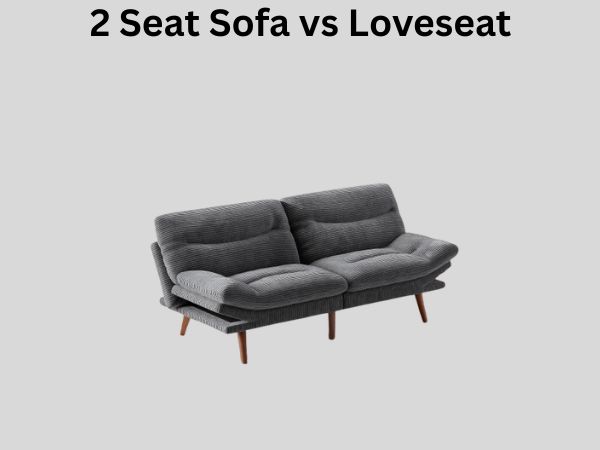
A sofa, especially a larger sectional, can dominate a small space. However, a compact loveseat-style sofa could work if you absolutely need that backrest and armrest support.
Spacious Living Areas
Got a large living room? A sofa genuinely shines here. You can go bold with a sectional, a large sleeper sofa, or even pair multiple sofas to create a conversational layout. Your space can actually accommodate the comfort and presence that a full-sized sofa brings. A bench in a large room might look lonely or undersized, like you didn’t fully commit to furnishing the space.
Multipurpose Spaces
If you’re working with a room that serves multiple functions—say, a guest bedroom that also functions as a home office—a bench is incredibly versatile. You can use it as seating, a work surface, or even a bed alternative when guests arrive. A sofa in a space like this might be too much commitment to one function.
Comfort and Functionality: How You’ll Actually Use It
Here’s where personal preference really comes into play. Comfort is subjective, but there are real differences in how you’ll use these pieces.
Lounging and Relaxation
Do you love curling up with a book and a blanket? Do you spend your evenings binge-watching shows? Then a sofa is probably calling your name. The backrest, the cushions, the armrests—they’re all designed to let you sink in and stay there for hours. You can stretch out, prop your feet up, and genuinely relax.
A bench doesn’t really offer that same lounging experience. Sure, you can sit on it, but there’s a limit to how comfortable you’ll be for extended periods without back support.
Entertaining Guests
If you frequently host people and want them to feel genuinely comfortable, a sofa is the superior choice. Multiple people can spread out, find their own comfortable position, and actually relax while chatting or dining. A bench, while charming and functional, can feel a bit utilitarian for entertaining. Unless you’re going for that casual, dining hall vibe—which actually works beautifully for certain aesthetics.
Dining and Work Surfaces
Need a place to set down your laptop while you work from home? A bench with a flat surface is perfect. Benches are ideal for spaces where you need functionality without the commitment of a full sofa. An eating area with a bench feels more intentional than having a sofa covered in crumbs.
Style and Aesthetic Appeal
Your furniture tells a story about your home and your taste. Let’s talk about the vibe each piece brings to a space.
Sofa Aesthetics
Sofas are the statement piece of most living rooms. They set the tone. A modern sectional says something completely different than a vintage Chesterfield sofa. You can go minimalist and sleek, or go bold with colors and patterns. Sofas can be the anchor that everything else in your room revolves around.
Bench Aesthetics
Benches have a different kind of charm. A wooden bench feels rustic and warm. An upholstered bench at the foot of a bed feels elegant and intentional. Benches work beautifully in farmhouse, Scandinavian, modern, and eclectic décor styles. They’re often less about making a dramatic statement and more about creating a layered, thoughtful look.
Budget: What You’re Actually Spending
Money matters, and furniture is a significant investment. Let’s be real about the costs.
Sofa Pricing
Quality sofas aren’t cheap. A decent mid-range sofa will set you back anywhere from $800 to $2,000 or more. High-end designer sofas can exceed $5,000 easily. However, you’re getting durability, warranty coverage, and often customization options. Many sofas are also made to last decades if you choose wisely.
Bench Pricing
Benches are generally more affordable. You can find a nice upholstered bench for $300 to $800, and even high-quality wooden benches might run $1,000 to $1,500. For your money, you’re often getting a piece that requires less material and simpler construction.
Cost-Per-Use Analysis
Here’s a thought: if you spend hours every week using your sofa, that cost-per-use actually becomes quite reasonable over years. But if a bench will genuinely serve your needs, why spend more than you have to? Sometimes the most practical choice is also the most budget-friendly.
Durability and Maintenance
How long will your furniture actually last? How much work is it to keep it looking nice?
Sofa Wear and Tear
Sofas take a beating. With multiple people sitting, lying down, and moving around, wear happens. Cushions compress. Fabric shows stains. Seams can loosen. The good news is that quality sofas are designed to handle this, and many come with removable, washable covers. Still, a sofa requires more maintenance than you might expect.
Bench Durability
Benches are workhorses. Without all the complex cushioning and mechanical parts, there’s just less that can go wrong. A wooden bench will outlast most sofas if it’s made from quality wood. An upholstered bench is easier to maintain because there’s simply less surface area and no reclining mechanisms to worry about.
Specific Room Applications
Where you’re placing your furniture really matters. Let’s think about different rooms in your home.
Living Rooms
This is sofa territory. Your living room is likely your primary gathering space, and a sofa makes sense here. However, if you have a small living room or a modern minimalist aesthetic, a bench-style seating arrangement could work too.
Bedrooms
A bench at the foot of your bed is practically designed for this space. It adds visual interest, provides a convenient place to sit while putting on shoes, and offers a surface for laying out clothes. A sofa in a bedroom can work if you have the space, but it’s less traditional.
Entryways and Hallways
Benches absolutely own this territory. An entryway bench is functional—you can sit while putting on shoes, store items underneath, and it sets a welcoming tone. A sofa here would be bizarre and impractical.
Dining Areas
While dining chairs are traditional, benches have made a strong comeback in dining areas. They’re sociable, space-efficient, and they create a casual, friendly vibe. A sofa in a dining area? That’s pretty unconventional unless you’re thinking of a kitchen lounge situation.
Home Offices
If you need additional seating in a home office for client meetings or a place to relax during breaks, a bench is less distracting than a sofa. It keeps your space feeling professional and purposeful.
The Hybrid Solution: Combining Both
Who says you have to choose? If you have the space and budget, you could use both pieces strategically in your home.
Imagine a living room with a comfortable sofa as your main seating, plus a bench at the window or along one wall. The sofa handles your daily lounging needs, while the bench adds visual interest and provides alternative seating or a work surface. In this scenario, both pieces complement each other rather than compete.
This approach works particularly well in larger homes where you can dedicate different spaces to different seating styles.
Making Your Final Decision
So, how do you actually decide? Here are the key questions to ask yourself:
- How much space do I actually have?
- What will I primarily use this furniture for?
- What’s my budget?
- How important is comfort versus aesthetics?
- What style matches my home?
- How much maintenance am I willing to do?
- Am I planning to stay in this home long-term?
Your answers to these questions will likely point you toward one option or the other.
Conclusion
Choosing between a bench and a sofa isn’t about determining which is objectively better—it’s about identifying which is better for your specific situation. Sofas excel at providing comfort for extended periods and creating a cozy gathering space. They’re perfect for living rooms and homes where relaxation is a priority. Benches, meanwhile, offer practicality, style versatility, and efficiency, making them ideal for smaller spaces, entryways, and rooms that need to serve multiple purposes.
The best piece of furniture is the one you’ll actually use and enjoy. Take time to visualize each option in your space. Consider your daily life and how you’ll interact with the furniture. Think about your budget and how long you plan to keep the piece. When you align your choice with your actual needs rather than some idealized version of how you think you should live, you’ll end up with furniture that truly works for your home.
Whether you ultimately choose a bench or a sofa, make sure it reflects both your lifestyle and your personal style. After all, you’re the one who’ll be sitting on it day after day.
Frequently Asked Questions
Can a bench work as a sofa replacement in a living room?
A bench can work in a living room if your space is small, you prefer a minimalist aesthetic, or you don’t spend long hours lounging. However, for comfort during extended relaxation, watching movies, or entertaining guests, a traditional sofa is usually the better choice. A bench lacks the backrest and cushioning that make a sofa ideal for serious lounging. That said, if you pair a bench with other seating options like chairs or a chaise lounge, you can create a comfortable seating arrangement.
Which is easier to move and rearrange?
Benches are significantly easier to move than sofas. Most benches are lighter, more compact, and don’t have the awkward dimensions that sofas present. If you like to rearrange your furniture frequently or you’re renting and might move soon, a bench is the more practical option. Sofas, especially larger sectionals or sleeper models, can be a nightmare to move through doorways and up stairs. This is something to seriously consider if you value flexibility.
Are benches comfortable for watching TV?
Benches can be comfortable for watching TV, but usually not for extended periods. Without a backrest for support or cushioning designed for lounging, your back might start to ache after an hour or two. If you want to use the furniture primarily for TV watching, a sofa is the better investment. However, if you watch TV occasionally and just need a place to sit, a bench works fine, especially if you add throw pillows for back support.
How do I choose between a bench and sofa if I have limited space?
In limited space, a bench is generally the smarter choice because it takes up less visual and physical space, doesn’t feel as heavy or dominant, and offers multiple functional uses. You could place it in an entryway, at the foot of a bed, or against a wall in your main living area. If you absolutely need sofa-style comfort, consider a smaller loveseat or apartment-sized sofa instead of a full-length three-seater. Measure your space carefully and visualize the furniture before purchasing.
Can I use a bench in my dining room instead of traditional chairs?
Absolutely! In fact, benches have become a popular alternative to dining chairs. One or two benches paired with dining chairs create an interesting, casual aesthetic that encourages a relaxed dining atmosphere. Benches work particularly well for dining rooms with modern, farmhouse, or industrial décor. The main drawback is that benches can be less comfortable than properly designed dining chairs with back support, and they’re less flexible since everyone on the bench must sit close together. However, if you like the look and don’t mind the trade-offs, benches are a great dining room option.
“`
![10 Best Apartment Sleeper Sofa [2026]](https://hometopaccesories.com/wp-content/uploads/2026/08/10-best-apartment-sleeper-sofa-2026-featured-768x432.jpg)