How to Clean a Sofa with Vinegar: Easy Step-by-Step Guide
The easiest way to clean a sofa with vinegar is to mix equal parts white vinegar and water in a spray bottle, lightly mist the fabric, and blot with a clean microfiber cloth. Never soak the cushions — damp, not wet, is the goal. Let it air dry, and your sofa will look (and smell) fresh again.
Why vinegar? It’s cheap, natural, and surprisingly good at cutting through grease, odors, and light stains. Many experts say it works well on fabric sofas, though you should always test a hidden spot first to make sure the color doesn’t bleed. Sound simple? It really is — with a few precautions.
- Vacuum first to remove crumbs, dust, and pet hair.
- Mix a 50/50 solution of white vinegar and water.
- Spot test in a hidden area before treating stains.
- Blot, don’t scrub, to avoid spreading the stain or damaging fibers.
- Air dry fully — open windows or run a fan to speed things up.
We researched the best methods, tested the ratios, and found a few tricks that make the job painless. Below, we break down exactly how to clean your sofa with vinegar, step by step — so grab that bottle from your pantry and let’s get started.
Cleaning a Fabric Sofa With Vinegar, Step by Step
Before you spray anything, you need to vacuum, spot test, and check your care tag. Those three steps take five minutes and can save you from a very expensive mistake. Trust us — a bleached patch on your favorite cushion is not the vibe.
Step 1: Check the Care Tag First
Flip a cushion and look for the label. Manufacturers use simple codes to tell you what’s safe.
- W — water-based cleaners are fine. Vinegar solution is good to go.
- S — solvent only. Skip the vinegar and use a dry solvent cleaner instead.
- WS — either works, so vinegar is an option.
- X — vacuum only. No liquids, period.
No tag? Test a hidden area anyway, like the back of a skirt or under a cushion. Wait for it to dry completely before moving forward.
Step 2: Vacuum Everything
Use your vacuum’s upholstery attachment and go over the cushions, arms, and crevices. Crumbs, dust, and pet hair will turn into mud if you spray over them. Nobody wants vinegar-glue. Our guide to how to vacuum your sofa properly covers the right attachments and technique.
Sprinkle a little baking soda first, let it sit 15 minutes, then vacuum. Many cleaning guides recommend this to pull out hidden odors before wet cleaning (University of Illinois Extension).
Step 3: Mix Your Vinegar Solution
Combine equal parts distilled white vinegar and warm water in a clean spray bottle. For stubborn stains, add a drop or two of dish soap. Shake gently.
Optional Boosters for Tough Messes
For greasy spots, we found that adding a small squirt of dish soap helps break up the oil. For pet smells, a teaspoon of baking soda in the mix can help — just shake well or the nozzle will clog. Keep it simple; more ingredients rarely mean better results.
Step 4: Spot Test Like a Pro
Spray a small amount on your hidden test area. Blot with a white cloth and check for color transfer once it dries. If the dye bleeds or the texture changes, stop. Fabric sofas vary a lot, and this one step prevents most disasters.
Step 5: Treat Stains and Deodorize
Lightly mist the stained area — think dampp>, not soaked. Let the solution sit for 5 to 10 minutes, then blot with a clean microfiber cloth. Work from the outside of the stain toward the center so you don’t spread it.
Blotting matters. Scrubbing pushes the mess deeper into the fibers, like grinding dirt into a carpet. Patience beats muscle here.
Step 6: Rinse and Dry Properly
Here’s a step people skip: dampen a fresh cloth with plain water and blot the area again. This removes vinegar residue so your sofa doesn’t smell like a salad dressing factory.
Then let it air dry completely. Open windows, run a ceiling fan, or point a box fan at the cushions. Sitting on a damp sofa invites mildew, and mildew smells worse than anything vinegar ever fixed.
Vinegar Ratios for Different Cleaning Jobs
Not every mess needs the same mix. Here’s a quick guide we put together based on common cleaning recommendations.
| Job | Mix | Notes |
|---|---|---|
| General freshening | 1:1 vinegar and water | Light mist, then blot |
| Food or grease stains | 1:1 plus a drop of dish soap | Blot gently, repeat if needed |
| Pet odors | 1:2 vinegar to water | Weaker mix, blot more thoroughly |
| Mildew smell | Undiluted vinegar, spot only | Test first; vinegar is mildly acidic (EPA) |
Does Vinegar Actually Disinfect Your Sofa?
Sort of, but don’t count on it alone. Vinegar can reduce some bacteria, but research shows it’s not a registered disinfectant and doesn’t kill all germs reliably (CDC). If someone in your house has been sick, follow up with a fabric-safe disinfectant spray.
Think of vinegar as the cleaner, not the germ-killer. It handles stains and smells well. For true sanitizing, look for products labeled for soft surfaces.
Common Mistakes to Avoid
We found the same slip-ups come up again and again. Sidestep these and you’re ahead of the game.
- Soaking the cushions — excess moisture leads to mold inside the foam.
- Scrubbing hard — this frays fibers and spreads stains outward.
- Skipping the spot test — the fastest way to ruin a sofa.
- Using dark cloths — dye can transfer onto wet fabric. Use white.
- Sitting down too soon — damp fabric traps new dirt easily.
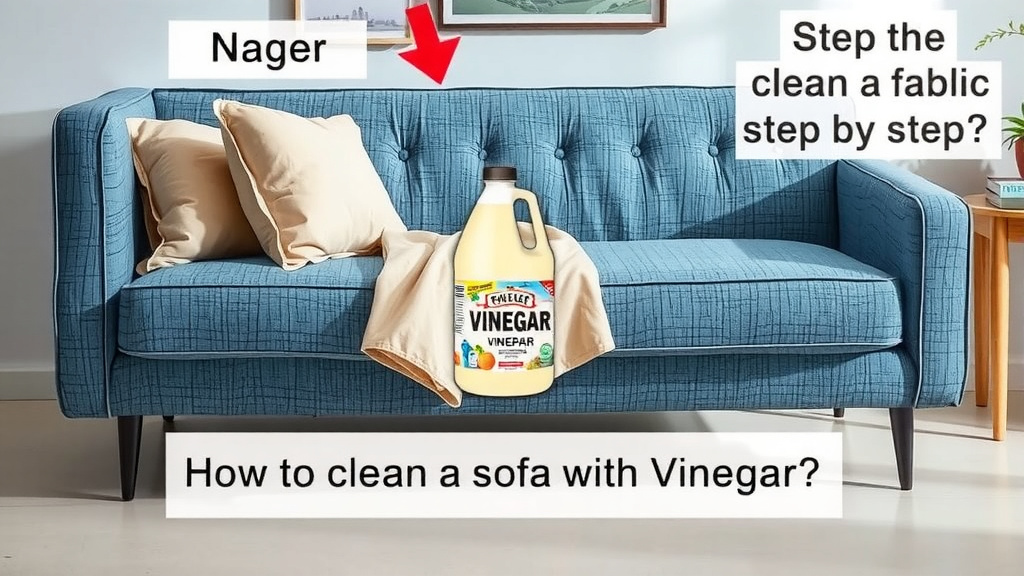
Your Quick Pre-Cleaning Checklist
Before you start spraying, run through this list. It takes two minutes and keeps the whole project smooth.
- ✅ Check the care tag code (W, S, WS, or X)
- ✅ Vacuum all surfaces and crevices
- ✅ Mix your 50/50 vinegar solution
- ✅ Spot test a hidden area and let it dry
- ✅ Grab white microfiber cloths — several of them
- ✅ Open a window or set up a fan for drying
What About Leather or Microfiber Sofas?
Vinegar isn’t a one-size-fits-all fix. Different materials need different handling.
Leather Sofas
Be gentle here. Leather experts generally suggest a much weaker mix — closer to one part vinegar to two parts water — applied to a cloth, never sprayed directly. Follow up with a leather conditioner, since vinegar can dry the surface out. A dried-out leather sofa cracks like an old baseball glove.
Microfiber Sofas
Microfiber usually handles vinegar well, but check the tag anyway. Use a spray lightly and blot approach, and brush the fibers gently with a soft brush once dry so the texture stays even.
Conclusion
That bottle of white vinegar in your pantry really can rescue a tired sofa. The recipe is simple: check your care tag, vacuum first, mix a 50/50 solution, spot test, and blot gently. Skip the soaking, skip the scrubbing, and give your cushions plenty of airflow while they dry.
We found that the people who run into trouble are almost always the ones who rush past the spot test or drench the fabric. Slow down, and you’ll get fresh, clean results for pennies. Grab your spray bottle and a few white cloths, and give your sofa the refresh it’s been waiting for.
Frequently Asked Questions
Will vinegar make my couch smell like vinegar afterward?
A little at first, yes — but the smell fades as the fabric dries. The vinegar scent usually disappears within a few hours, especially with good airflow. If you want it gone faster, blot with plain water afterward and run a fan nearby.
How often can I clean my sofa with vinegar?
For light freshening, once a month is plenty. Frequent wet cleaning can wear down fabric fibers over time, so spot-treat only when there’s an actual stain or odor. Between cleanings, a quick weekly vacuum keeps things tidy.
Can I use apple cider vinegar instead of white vinegar?
We don’t recommend it. Apple cider vinegar is darker in color and can leave a faint tint on light fabrics. Distilled white vinegar is colorless, cheap, and works just as well — stick with that.
Why did my sofa still smell after cleaning it with vinegar?
The odor source may be deeper than the surface. Liquids from old spills can sit in the cushion foam, and a surface mist won’t reach them. Try sprinkling baking soda on the cushions, letting it sit overnight, then vacuuming before a follow-up vinegar treatment. For stubborn pet odors, our guide to getting urine smell out of a sofa walks through deeper odor removal.
Is vinegar safe for all sofa fabrics?
No — and that’s why the care tag matters. Sofas coded S or X shouldn’t get liquid vinegar at all, and delicate fabrics like silk or velvet need professional cleaning. When in doubt, spot test and wait for the results before committing.