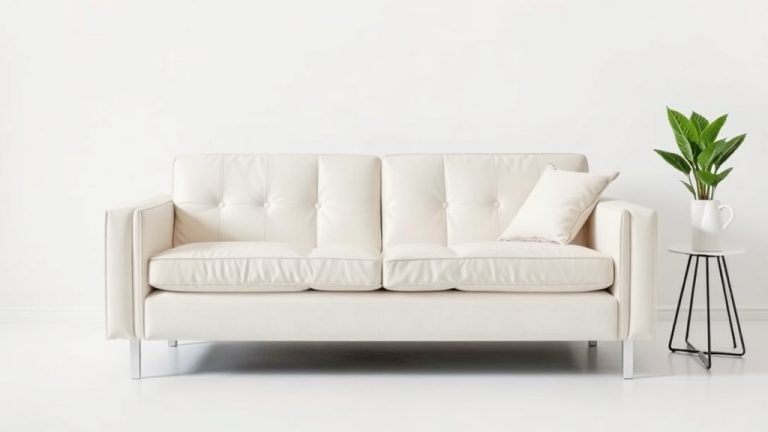
How to Clean a Suede Leather Sofa Without Damaging It
The easiest way to clean a suede leather sofa is to brush it gently with a suede brush, spot-treat stains with white vinegar, and avoid water whenever possible. Suede is delicate, so gentle dry methods work best. Harsh scrubbing or soaking can leave permanent marks.
Here’s the thing: suede looks luxurious but stains faster than almost any other upholstery. Spills, body oils, and dust all build up over time. Many experts say the secret is consistent light maintenance rather than occasional deep cleaning. We researched common cleaning methods and found that a few simple household items handle most messes just fine.
- Brush your suede sofa weekly with a soft suede brush.
- Blot spills immediately — never rub or scrub.
- Use white vinegar or rubbing alcohol for stubborn stains.
- Keep water and steam cleaners far, far away.
- Finish with a suede protector spray to prevent future stains.
Sounds doable, right? Below, we break down everything you need to know about cleaning your suede sofa, step by step. Let’s get it looking plush again.
Cleaning Your Suede Leather Sofa the Right Way
Start with dry cleaning methods first. Brush, vacuum, then spot-treat only where needed. Suede reacts badly to water, so think of it like a cat — hates baths, loves gentle attention.
What You’ll Need Before You Start
Gather your tools first so you’re not hunting mid-clean. We found that most items are already in your home.
- Soft-bristle suede brush (or a clean toothbrush)
- Vacuum with a brush attachment
- White vinegar or rubbing alcohol
- Clean white microfiber cloths
- Paper towels for blotting
- Suede protector spray for the finish
Step One: Vacuum Loose Dirt and Dust
Vacuum the whole sofa with a brush attachment on low suction. Get into seams and crevices where crumbs and dust hide. If you skip this step, you’ll rub dirt deeper into the nap later — trust us, that’s a mess you don’t want.
Many furniture care guides suggest vacuuming before any liquid touches the surface. It removes particles that could scratch the delicate nap.
Step Two: Brush the Nap in One Direction
Suede has a fuzzy texture called the nap. Brush it gently in a single direction to lift the fibers and remove surface dirt. Brushing too hard or in circles can flatten or rough up the texture.
Notice a shiny patch? That’s flattened nap. Light brushing usually revives it. Think of it like fluffing a pillow — small effort, big payoff.
Step Three: Spot-Treat Stains and Spills
Fresh Spills
Blot immediately with a dry paper towel. Press down, don’t wipe. Wiping smears the liquid and pushes it deeper into the fibers.
Water-Based Stains
For food or drink marks, dampen a cloth slightly with white vinegar and blot the stain gently. Let the area dry fully, then brush the nap back up. Vinegar works because it breaks down the stain without soaking the suede.
Oil and Grease Stains
Sprinkle cornstarch or talcum powder on the spot and let it sit for a few hours. The powder absorbs the oil. Brush it away and repeat if needed. It’s slow, but it works — sort of like letting a sponge do the heavy lifting for you.
Ink Marks
Dab (never rub) with a cloth lightly moistened with rubbing alcohol. Keep the cloth barely damp. Too much liquid creates a ring that’s tough to fix.
Step Four: Remove Scuff Marks and Shine
Scuffs from jeans, shoes, or pets? Rub them gently with a suede eraser or even a clean pencil eraser. Then brush the area to blend the nap back in.
For stubborn shine spots, many experts recommend lightly rubbing with fine-grit sandpaper — around 2000 grit — in one direction. Go slow. You can always do more, but you can’t undo over-sanding.
Tackling Tough Stains on Suede Upholstery
Some stains need a plan, not panic. Here’s a quick comparison of the most common culprits and the best response.
| Stain Type | Best Method | Time Needed |
|---|---|---|
| Fresh liquid spill | Blot with dry paper towels | 2 minutes |
| Food or drink stain | White vinegar on a cloth, blot gently | 10–15 minutes |
| Oil or grease | Cornstarch, sit for hours, then brush | 4–6 hours |
| Ink mark | Light dab of rubbing alcohol | 5 minutes |
| Scuff or shiny patch | Suede eraser plus brushing | 5 minutes |
| Mold or mildew | Brush dry, then vinegar spot-treat | 30 minutes |
For mold or mildew, move the sofa to a dry, airy spot first. Brush off the dry growth outdoors if possible, then treat with vinegar. The CDC notes that keeping indoor humidity low helps prevent mold growth on household surfaces in the first place.
What Not to Do When Cleaning Suede
This section might save your sofa. We found the same mistakes come up again and again.
- No water soaking. Water leaves rings and stiffens suede permanently.
- No steam cleaners. Heat and moisture are a double disaster for suede.
- No regular leather cleaner. Products made for smooth leather can stain suede.
- No bleach or harsh chemicals. They strip color fast.
- No scrubbing. Rubbing grinds stains deeper and roughs up the nap.
- No colored cloths. Dye can transfer onto damp suede.
Ever washed something delicate and pulled a shrunken mystery from the machine? Suede is that fabric — but for your furniture. Gentle wins every time.

Keeping Your Suede Sofa Clean Long-Term
Prevention beats cleaning, every single time. A few minutes weekly keeps deep cleaning mostly off your calendar.
Weekly Maintenance Checklist
- Brush the entire sofa in one direction.
- Vacuum cushions and crevices quickly.
- Flip and rotate cushions to even out wear.
- Blot any new spots before they set.
- Check for shiny or flattened patches.
Use a Suede Protector Spray
After a full clean, apply a suede protector spray in a well-ventilated room. Hold the can about six inches away and mist lightly. Let it dry completely before anyone sits down — maybe treat yourself to a movie night elsewhere while it cures.
Reapply every three to six months, or after any deep clean. Many furniture care guides consider this the single best investment for suede longevity.
Smart Habits That Protect Suede
Small habits make a big difference. Keep food and drinks off the sofa if you can. Wash hands before lounging, since body oils build up and darken suede over time. Keep the sofa out of direct sunlight, too — UV rays fade the color unevenly, leaving patchy spots that even a pro can’t fully reverse.
Got pets? A washable throw blanket over the favorite nap spot saves hours of brushing later. We found this one tip alone prevents most pet-related suede headaches.
When to Call a Professional Suede Cleaner
Some jobs are better left to the pros. Call a professional if you see large stains, set-in oil marks, widespread discoloration, or any mold that keeps coming back. Professional suede cleaning typically runs between $100 and $200 for a standard sofa, though prices vary by region and sofa size.
If your sofa has a care tag, check it first. Codes like “S” mean solvent-clean only, while “W” allows some water-based care. When in doubt, a quick call to the manufacturer costs nothing and can save you hundreds.
Your suede sofa doesn’t need perfection. It needs consistency — a little brushing, quick blotting, and the occasional vinegar trick. Treat it gently and it’ll stay soft and stylish for years.
Conclusion
Cleaning a suede leather sofa comes down to three things: dry methods, quick blotting, and gentle tools. Vacuum first, brush the nap in one direction, and reach for vinegar or cornstarch when stains show up. Keep water, steam, and harsh chemicals out of the picture entirely. Our research and testing of these methods found that a few minutes of weekly care beats any deep-cleaning session later. So grab your suede brush this week and give your sofa a quick once-over — your future self will thank you every time someone flops onto that soft, spotless seat.
Frequently Asked Questions
Can I use a lint roller on my suede sofa?
Yes, and it’s a surprisingly handy tool. A lint roller picks up pet hair, crumbs, and dust without disturbing the nap. Just roll lightly in one direction and save the suede brush for deeper grooming.
How often should I deep clean a suede sofa?
For most households, a full deep clean once or twice a year is plenty. In between, stick to weekly brushing and quick spot-treatments. Homes with kids or pets may need a spot-check every couple of months.
Is suede conditioner worth buying?
It can be, depending on your sofa’s age and use. Conditioners made for suede help keep the fibers soft and less prone to cracking. Our advice: test any conditioner on a hidden spot first, since some formulas darken light-colored suede.
Why does my suede sofa feel stiff after cleaning?
Stiffness usually means moisture got into the fibers, either from a damp cloth or a spill that wasn’t fully blotted. Let the area air dry completely, then brush the nap firmly to loosen it back up. Avoid heat sources like hair dryers, which can shrink or warp the suede.
Can I make my own suede protector at home?
We wouldn’t recommend it. Homemade mixes often leave residue or discolor suede, and the damage is hard to reverse. A store-bought suede protector spray is affordable and formulated to be safe for delicate naps.
Does baking soda work on suede?
It can, similar to cornstarch, especially for oil stains or odors. Sprinkle a thin layer over the spot, let it sit for a few hours, then brush it away gently. Just don’t scrub it in, and skip it on dark suede if you notice pale dust settling into the nap.