How to Clean a Stain on a Fabric Sofa: Easy Step-by-Step
The easiest way to clean a stain on a fabric sofa is to blot it right away with a clean cloth and a mix of mild dish soap and warm water. Blot, don’t scrub. Scrubbing pushes the stain deeper and can ruin the fibers.
Here’s the good news: most spills don’t have to become permanent. We researched what cleaning experts recommend, and we found that the right method depends on the stain type — coffee, wine, grease, and pet messes all need slightly different care. It also matters whether your sofa has a cleaning code like W, S, or WS on its tag.
TL;DR:
- Blot spills fast — never scrub or rub.
- Check your sofa’s cleaning code tag before using anything.
- Dish soap and water work on most water-safe (W) fabrics.
- Grease stains respond well to a bit of dish soap or rubbing alcohol.
- Test any cleaner on a hidden spot first.
So, what’s actually on your couch right now? Below, we break down step-by-step methods for the most common stains, so you can get your sofa looking fresh again without guessing.
Cleaning Stains Off a Fabric Couch the Right Way
Start by checking your sofa’s tag. Most fabric couches carry a cleaning code — W, S, WS, or X — that tells you exactly what’s safe to use. We found that skipping this step is the number one way people accidentally ruin their upholstery.
Here’s what those codes mean:
- W — Water-based cleaners are fine. Dish soap and water are your friends.
- S — Solvent only. Think dry-cleaning solvents or rubbing alcohol, no water.
- WS — Either water or solvent works.
- X — Vacuum only. No liquids at all, sadly.
Can’t find the tag? It’s often tucked under a cushion or sewn into the skirt. If it’s missing, many experts say to treat the fabric as W code but test in a hidden spot first.
Supplies You’ll Want Within Arm’s Reach
Nothing derails a cleaning session like sprinting to the kitchen with a dripping stain. Get your setup ready first. Here’s your pre-cleaning checklist:
- Clean white cloths or paper towels (white matters — colored ones can bleed dye)
- Mild dish soap and a small bowl of warm water
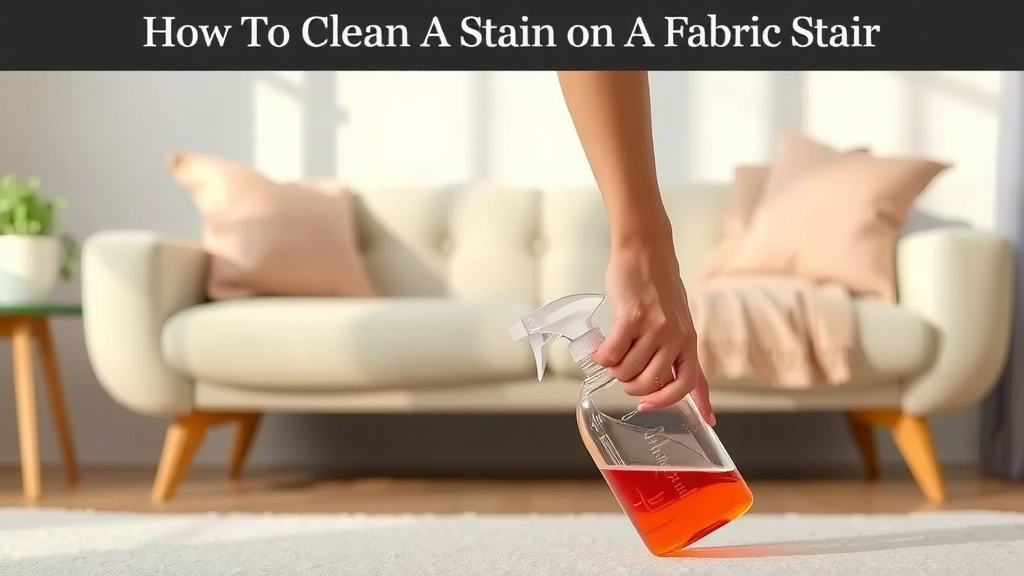
- A spray bottle for mixing solutions
- Rubbing alcohol for solvent-safe fabrics
- A soft-bristled brush or an old toothbrush
- A fan or open window to speed up drying
Think of it like a firefighter’s toolkit. You wouldn’t go looking for the hose after the fire starts, right?
The Basic Method for Water-Safe Fabrics
This is your workhorse method. It handles most everyday spills on W-coded fabric, and many guidelines point to gentle soap and water as a safe first step (Mayo Clinic).
Step-by-Step: Soap and Water Rescue
Step 1: Blot the stain with a dry cloth from the outside edge inward. This keeps it from spreading like a pizza-grease ring on your favorite shirt.
Step 2: Mix two cups of warm water with one teaspoon of dish soap. Less is more here — you want suds, not a swamp.
Step 3: Dip your cloth in the solution, wring it out well, and blot the stain. Never soak the cushion. Too much water invites mold and mildew, which the CDC warns can trigger allergies and breathing issues.
Step 4: Blot again with a clean, damp cloth to rinse out the soap.
Step 5: Press a dry towel over the area and let a fan run nearby until it’s fully dry. Wondering when you can sit down again? Our guide to sofa drying times breaks down what to expect.
What If the Stain Won’t Budge?
Repeat the process once or twice, giving the area a break between rounds. We found that patience beats pressure every time. If it’s still there after two tries, move to a stain-specific method below.
Tackling the Big Four: Common Stain Types
Different messes need different moves. Here’s a quick comparison before we break each one down:
| Stain Type | Best Treatment | Key Don’t |
|---|---|---|
| Coffee or tea | Dish soap and water, blot | Don’t use hot water |
| Red wine | Cold water blot, then salt or soap mix | Don’t scrub fresh |
| Grease or oil | Dish soap or rubbing alcohol | Don’t add plain water first |
| Pet accidents | Enzymatic cleaner | Don’t mask with perfume sprays |
Coffee and Tea Spills
Blot the excess immediately, then use the soap and water method above with cool water. Hot water can set the tannins, making the stain a permanent resident.
Red Wine Disasters
Move fast and blot — don’t rub. Many cleaning pros recommend dabbing with cold water right away, then sprinkling salt to draw out the moisture. Once dry, vacuum the salt and follow up with soap and water.
Grease and Oil Marks
Here’s a fun one: water spreads grease, so skip it at first. Sprinkle baking soda on the spot and let it sit 15 minutes to absorb the oil. Vacuum it up, then blot with dish soap, which breaks down grease like it does on your pans.
Pet Messes and Accidents
Plain soap often won’t fully remove pet stains. We found that enzymatic cleaners break down the proteins in urine so your pet isn’t tempted to re-mark the same spot. Blot thoroughly and let it air dry.
Special Fabrics Need Special Care
Not all upholstery is created equal. Some fabrics are basically drama queens.
Microfiber, Velvet, and Linen
Microfiber often responds to rubbing alcohol in a spray bottle, lightly misted and blotted. Velvet and linen are delicate — use minimal moisture and always test first. If the care tag says S or X, or the piece is expensive, calling a professional cleaner is the smart money.
Mistakes That Make Stains Worse
Even well-meaning cleaners sabotage themselves. Watch out for these:
- Scrubbing — it frays fibers and spreads the stain
- Using bleach on colored upholstery unless the tag says so
- Skipping the patch test on a hidden area like the back or underside
- Over-wetting the cushion, which soaks the foam inside
- Letting it air dry slowly in a humid room — moisture plus fabric equals mildew
One patch test takes five minutes. A ruined couch cushion takes five weeks of regret.
Keeping Your Sofa Stain-Free Going Forward
Once you’ve won the battle, play some defense. Vacuum your sofa weekly to lift dust and crumbs before they grind into the fabric. Consider a fabric protector spray — we found many create a barrier that gives you precious minutes to blot before a spill sinks in.
And here’s a pro tip that costs nothing: keep a small spray bottle of your soap solution and a stack of white cloths in a nearby cabinet. When a spill happens, you’re ready in seconds instead of minutes. Your future self — and your couch — will thank you.
Conclusion
Winning the war against sofa stains comes down to three things: act fast, check that cleaning code, and blot like you mean it. Research and testing show that gentle dish soap and water handle most everyday spills, while grease, wine, and pet messes each need their own play. Skip the scrubbing, never skip the patch test, and dry the area quickly to dodge mildew. Your couch doesn’t need to fear another movie-night spill ever again. So here’s your next move: grab a spray bottle, mix up that soap solution, and stash it with some white cloths near your sofa. When the next stain strikes, you’ll be ready in seconds.
Frequently Asked Questions
How long should I wait before treating a stain as “set in”?
Don’t give up too soon. We found that many dried or older stains respond to a second or third round of treatment, especially when you let the area rest between attempts. If a stain has survived multiple methods and weeks of trying, a professional upholstery cleaner is your best bet.
Can I use a carpet cleaner machine on my fabric sofa?
Sometimes, but check your sofa’s cleaning code first. Small upholstery attachments can work on W or WS fabrics, yet the risk of over-wetting the foam inside your cushions is real. If you go this route, use the lightest moisture setting and run a fan afterward to dry everything fast. For a safer dry option, our guide to vacuuming a sofa covers the right attachments and technique.
Why does my stain come back after I clean it?
That’s usually a wicking stain, and it happens when liquid soaks into the cushion foam underneath. As the cushion dries, the stain travels back up to the surface like a candle wick. To fix it, treat the spot again and dry the area thoroughly with a towel and a fan this time.
Is vinegar safe to use on fabric couches?
It can be on W-coded fabrics, but we found that diluted white vinegar works better for odors than for visible stains. Mix one part vinegar with two parts water, blot lightly, and always patch test first. Skip it entirely on S or X coded upholstery.
How often should I deep clean my fabric sofa?
Most cleaning pros suggest a proper deep clean every six to twelve months, depending on your household. Got kids, pets, or a snack-happy household? Lean toward the shorter window. In between, weekly vacuuming keeps crumbs and dust from grinding into the fibers.