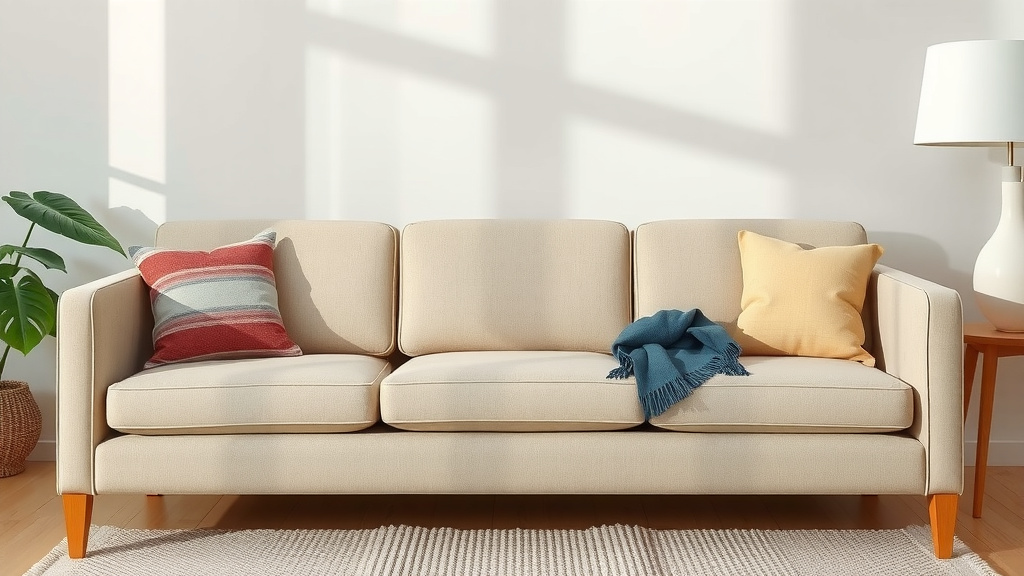
How to Clean a Wool Sofa: Safe Methods for Every Stain
The easiest way to clean a wool sofa is to vacuum it regularly and spot-clean stains with a mild detergent mixed with cool water. Wool is naturally stain-resistant, so quick, gentle cleaning is usually all it takes. The key is to avoid soaking the fabric or using harsh chemicals that can shrink or damage the fibers.
Wool sofas need a lighter touch than most upholstery. You can’t blast them with steam or scrub them like canvas, because heat and moisture cause shrinking and felting. The good news? We researched what cleaning experts recommend, and we found that wool often cleans up beautifully with just a few household items and a little patience. Ever spilled coffee and panicked? We’ve got you.
- Vacuum your wool sofa weekly with an upholstery attachment to remove dust and crumbs.
- Blot spills immediately with a clean, dry cloth — never rub.
- Spot-clean stains with cool water and a small amount of gentle detergent or wool-specific cleaner.
- Avoid heat, steam, and soaking, which can shrink or felt the fibers.
- Check your sofa’s care tag and consider professional cleaning for deep-set stains.
Below, we walk through everything you need to know about cleaning a wool sofa step by step — from everyday maintenance to handling those “uh oh” spills. Let’s get started.
Cleaning Your Wool Sofa Step by Step
Start by vacuuming, then move to spot-cleaning only where you actually need it. Wool behaves like a favorite wool sweater — it wants cool water, gentle soap, and zero drama. Rush it, and it’ll shrink right back at you.
Step 1: Vacuum the Whole Sofa First
Vacuuming might sound boring, but it’s the step that does the heavy lifting. Dust, crumbs, pet hair, and grit hide in the weave and grind down the fibers over time. Many experts recommend this as your go-to maintenance move, and we found that weekly vacuuming keeps most wool sofas looking fresh between deep cleans. Our quick guide to vacuuming a sofa covers the right attachments and technique.
Use your vacuum’s upholstery attachment with the brush setting. Go slowly, and lift the cushions to clean underneath — that’s where the potato chip fragments live.
- Use low suction to avoid pulling at the fibers.
- Vacuum in the direction of the nap, not against it.
- Hit crevices with the crevice tool.
- Do the back and arms, not just the seat cushions.
Step 2: Decode the Care Tag Before Anything Else
Flip a cushion and find that tiny tag. It’s the manufacturer’s cheat sheet, and ignoring it is how wool gets ruined. Here’s what the codes mean:
| Code | What It Means | What You Can Use |
|---|---|---|
| W | Water-based cleaning is safe | Cool water and mild detergent |
| S | Solvent only | Dry-cleaning solvent, well ventilated |
| WS | Either water or solvent | Either method, used gently |
| X | Professional cleaning only | Vacuum only — call in the pros |
If your tag says S or X, stop here and skip water entirely. Solvents need open windows and no flames nearby, since many are flammable.
Step 3: Spot-Clean Stains the Gentle Way
Got a stain? Mix a few drops of mild detergent (like a wool wash or plain dish soap) into a bowl of cool water. Dip a clean white cloth, wring it out well, and blot the stain from the outside edge toward the center.
Why the outside in? Blot the other way and you push the stain outward, creating a halo. Nobody wants a stain halo.
Handling Fresh Spills
Speed matters more than technique here. Grab a dry cloth and press down — don’t rub, ever. Rubbing felts the fibers and spreads the mess. We found that blotting within the first minute or two prevents most spills from setting at all.
Handling Stubborn, Dried Stains
For older stains, dampen the spot slightly with your soap solution and let it sit for five minutes. Blot again, then blot once more with a cloth dampened in plain water to remove soap residue. Leftover soap attracts dirt like a magnet, so this rinse step counts.
Step 4: Deodorize Without Soaking
Wool holds onto odors — think pets, popcorn nights, and that one friend’s cologne. Sprinkle a thin layer of baking soda over the fabric, let it sit for 30 minutes to an hour, then vacuum it up. It’s the upholstery version of a breath mint.
Airing out the room while you do this helps too. Wool actually releases absorbed odors when it gets fresh air circulation.
Step 5: Dry It the Right Way
After any damp cleaning, your sofa needs to dry completely before anyone sits on it. Open windows, run a fan nearby, and let air do the work. Never use a hair dryer or heater on wool — heat causes shrinking and felting, and felted wool doesn’t bounce back.
Expect several hours, sometimes overnight. We know, waiting is the worst part. But sitting on damp wool can leave permanent pressure marks and encourage mildew, and damp upholstery can grow mold in as little as a day or two in humid conditions (CDC). Our guide to sofa drying times explains what affects the wait and how to speed it up safely.
Smart Habits That Keep Wool Upholstery Clean
The best stain is the one that never happens. A few small habits go a long way:
- Vacuum weekly — set a phone reminder so it actually happens.
- Rotate and flip cushions every couple of weeks for even wear.
- Keep the sofa out of direct sunlight to prevent fading.
- Use throws or washable blankets on high-traffic seats.
- Keep food and drinks off the sofa when you can. (We said “when you can.”)
- Groom pets regularly so less hair ends up in the weave.
Many experts also suggest an annual professional cleaning for wool upholstery. Wool fibers have a natural protective coating that pros know how to preserve, and a yearly deep clean extends the life of your sofa by years.
Common Wool Sofa Cleaning Mistakes to Avoid
We found that most wool damage comes from a handful of well-meaning errors. Skip these and you’re ahead of the game:
- Using hot water or steam. Heat shrinks wool fibers permanently.
- Scrubbing stains. This mats and felts the fibers.
- Drenching the fabric. Wool absorbs water slowly and dries even slower, inviting mildew.
- Using bleach or harsh chemicals. Wool is protein-based — bleach literally dissolves it. It also weakens if exposed to strong alkalis for long (NIH).
- Skip-tag cleaning. That little tag knows things. Read it.
One more tip: never wring or twist wool fabric to remove water. Press gently with dry towels instead. Wool stretches when wet, and twisting distorts the shape of your cushions for good.

When to Call a Professional Cleaner
Some jobs just aren’t DIY territory. Call a pro if you’re facing any of these:
- An “X” or “S” care tag
- Large spills that soaked through to the padding
- Set-in stains you’ve already tried to treat
- Any sign of mold or a musty smell that won’t quit
- Delicate weaves, vintage pieces, or wool-blend fabrics
Look for cleaners certified in upholstery care, and always ask how they handle wool before booking. A good pro will test a hidden spot first and explain their method — if they can’t, keep shopping.
Conclusion
Cleaning a wool sofa comes down to a few simple rules: vacuum weekly, blot spills fast, spot-clean with cool water and gentle detergent, and keep heat far away from the fabric. Check your care tag before trying anything new, and don’t hesitate to call a professional for set-in stains or an “S” or “X” tag. Wool rewards a light touch — treat it like your favorite sweater and it can look great for decades. Ready to start? Flip that cushion, read the tag, and give your sofa a quick vacuum today. Your future self will thank you the next time coffee hits the cushion.
Frequently Asked Questions
Can I use a carpet cleaner or upholstery machine on a wool sofa?
We recommend skipping machines altogether on wool. They push too much water into the fabric and often use hot solutions, both of which can shrink or felt the fibers. Stick with hand blotting and cool water.
How often should I deep clean a wool sofa?
Most wool sofas only need a thorough vacuuming every week and spot-cleaning as stains happen. A full refresh with baking soda once a season keeps things fresh. Many experts suggest a professional cleaning about once a year.
Is vinegar safe to use on wool upholstery?
Diluted white vinegar can help neutralize odors in a pinch, but use it sparingly and always spot-test in a hidden area first. Vinegar is acidic, and too much can affect wool’s pH balance over time. When in doubt, plain cool water and mild soap are safer bets.
How do I get pet hair out of a wool sofa?
A rubber pet hair brush or a slightly damp rubber glove works well — the hair clings to the rubber and lifts out of the weave. Follow up with your vacuum’s upholstery attachment. Avoid sticky lint rollers pressed too hard, since they can pull at loose fibers.
Why does my wool sofa smell after cleaning it?
Damp wool that dries too slowly can develop a musty smell, which is a sign it needs more airflow. Open the windows, run a fan, and give it extra time to dry fully. If the odor sticks around after it’s completely dry, it may be mildew in the padding — that’s a job for a professional.