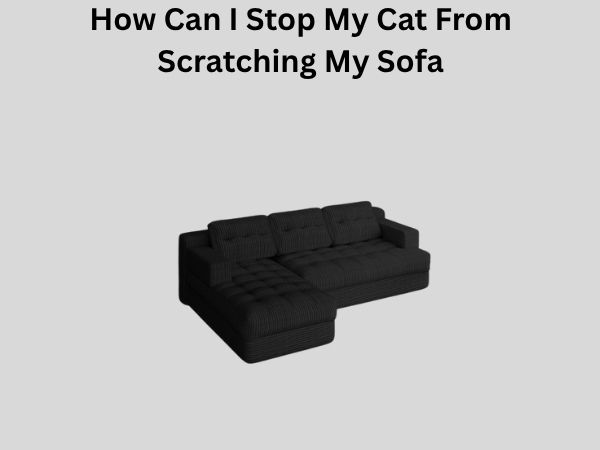
How to Clean Chocolate Off Your Sofa Without Damaging Fabric
The easiest way to clean chocolate off a sofa is to let it harden, scrape it off gently with a spoon, then blot the spot with mild dish soap and cool water. Never rub or use hot water, as that pushes the chocolate deeper and sets the stain. We know that melted chocolate on your favorite couch is a mini heart attack, but this is very fixable.
The right method depends on your sofa fabric. Cotton, microfiber, leather, and velvet each need slightly different care, and using the wrong one can leave a water ring or faded patch. We researched advice from cleaning experts and found that blotting, not scrubbing, is the golden rule across every fabric type. Acting fast also matters, but panicking fast does not, so take a breath.
- Let the chocolate harden before touching it, so it does not smear further.
- Scrape off the excess gently with a spoon or dull knife.
- Blot the stain with cool water and mild dish soap, never hot water.
- Check your sofa’s cleaning code tag before using any cleaner.
- For leather or delicate fabrics, use methods made for those materials.
Below, we walk through exactly how to remove chocolate stains step by step, plus the fabric-specific tricks that keep your sofa looking like new.
Getting Chocolate Stains Out of Your Couch the Right Way
Yes, you can get chocolate out of most sofas at home without calling a pro. The trick is matching your method to your fabric type and resisting the urge to scrub like you’re washing dishes.
Before You Start: Find Your Sofa’s Cleaning Code
Flip a cushion or check the tag under your sofa. You’ll see a letter: W, S, WS, or X. That letter tells you what cleaners are safe.
- W means water-based cleaners are fine.
- S means solvent only, no water.
- WS means either works.
- X means vacuum only. Call a professional for stains.
Many upholstery pros say skipping this step is the number one mistake people make (IICRC cleaning standards). Two minutes of tag-reading beats a faded patch forever.
What You’ll Need
- A spoon or dull butter knife
- Clean white cloths or paper towels
- Cool water
- A drop of mild dish soap
- A bowl for mixing
That’s it. No fancy products required for most stains.
Step-by-Step: Removing Chocolate from Fabric Sofas
Here’s the basic routine that works on cotton, polyester blends, and most W-coded fabrics.
Step 1: Let It Harden
We know waiting feels wrong when chocolate is melting into your cushions. But fresh chocolate smears. Hardened chocolate lifts. Pop an ice cube in a plastic bag, rest it on the spot for a few minutes, and let the mess firm up.
Step 2: Scrape Gently
Use a spoon or the edge of a dull knife. Work from the outside of the stain toward the center. Why? Pushing inward keeps the stain from spreading outward. Think of it like herding sheep, not chasing them.
Step 3: Blot with Soap and Cool Water
Mix a drop of dish soap into a cup of cool water. Dip a corner of your cloth, wring it well, and blot the spot. Blot means press and lift. Never rub, since rubbing grinds cocoa oils deeper into the fibers.
Step 4: Rinse and Dry
Dampen a clean cloth with plain cool water and blot again to remove soap residue. Leftover soap actually attracts dirt, so don’t skip this. Then press a dry towel on the area and let it air dry. A fan speeds things up.
Method by Fabric Type
Different fabrics, different rules. We researched care guidance from manufacturers and cleaning experts and put it in one place for you.
| Fabric | Best Method | What to Avoid |
|---|---|---|
| Microfiber | Cool water plus a drop of dish soap, blot only | Hot water and scrubbing, which can leave rings |
| Cotton | Soap solution, then rinse-blot | Soaking the cushion |
| Leather | Damp cloth with mild soap, then condition | Harsh chemicals and excess water |
| Velvet | Minimal moisture, gentle blotting | Wetting the pile, which crushes it |
Leather Sofas
Leather is easier than you’d think. Wipe the chocolate off with a slightly damp cloth, then clean the spot with a drop of gentle soap on a damp cloth. Finish with a leather conditioner so the spot doesn’t dry out. Many leather care guides warn against alcohol wipes, which can strip the finish (leather industry care guidelines).
Velvet and Delicate Fabrics
Velvet is the drama queen of upholstery. Use barely any water. Blot lightly, then brush the pile gently with a soft brush once dry so it doesn’t look flattened. If your velvet is silk-based, stop and call a professional. Some things are worth paying for. Our full guide to how to clean a velvet sofa walks through gentle blotting and pile care in more detail.
What About Old, Set-In Chocolate Stains?
Don’t give up on that mystery stain from last month. Old chocolate leaves tannin and oil residue, but it often still lifts. Rehydrate the spot with cool water, apply your soap solution, and blot patiently. You may need three or four rounds.
Stubborn still? A small amount of oxygen-based stain remover made for upholstery can help on W-coded fabrics. Always test it on a hidden spot first, like the back of a cushion. If you see any color change, stop.
Common Mistakes That Make Chocolate Stains Worse
We found that most stain disasters come from good intentions. Here’s what to avoid:
- Rubbing instead of blotting, which spreads the stain.
- Hot water, which sets the cocoa proteins and oils.
- Dumping on too much cleaner, which leaves its own residue ring.
- Skipping the hidden-spot test before trying a new product.
- Using colored towels, which can transfer dye to damp fabric.
Quick Cleanup Checklist
Pin this part to memory for next time (because let’s be honest, there will be a next time):
- Let the chocolate harden with an ice pack.
- Check your sofa’s cleaning code tag.
- Scrape gently with a spoon, outside-in.
- Blot with cool, soapy water. No rubbing.
- Rinse-blot with plain water to remove soap.
- Test any new product in a hidden spot first.
When to Call a Professional Cleaner
Some stains deserve backup. Call a pro if your sofa is X-coded, made of silk or antique fabric, or if the stain has already survived two of your rescue attempts. Professional upholstery cleaning typically costs far less than replacing a sofa, so the math works in your favor.
And if the cushion cover is removable and the tag says machine washable? Celebrate. That’s the easiest fix of all. Wash it cold, air dry it, and never put upholstery in a hot dryer, since heat can shrink the cover so it never fits right again.
Conclusion
Chocolate on your sofa feels like a disaster in the moment, but it rarely is. The winning formula is simple: let it harden, scrape gently from the outside in, and blot with cool, soapy water. Your sofa’s cleaning code tag is your best friend, and patience beats panic every single time. We found that the biggest stain disasters come from rushing, scrubbing, and reaching for hot water. Avoid those three things and you’re already ahead of the game. So next time a chocolate-covered snack takes a dive into your cushions, don’t despair. Grab an ice pack and a spoon, and take it one calm step at a time. Your couch will thank you.
Frequently Asked Questions
Does chocolate stain permanently on a couch?
Usually not, if you treat it promptly. Cocoa butter and tannins can leave a residue, but most fabric sofas respond well to cool water, dish soap, and patient blotting. The exception is heat-set or dyed chocolate, which may need a professional cleaner.
Can I use hydrogen peroxide to remove chocolate from upholstery?
You can, but only on light-colored, W-coded fabrics and only after testing a hidden spot first. Hydrogen peroxide can bleach darker fabrics. We found it’s best saved for stubborn stains that resist the basic soap-and-water method.
How do I get melted chocolate off a throw pillow that can’t be machine washed?
Use the same spot-cleaning approach as your sofa. Let it harden, scrape, then blot with cool soapy water and rinse-blot with plain water. Keep the moisture light so the filling doesn’t get soaked and take days to dry.
What removes the cocoa smell from a sofa after cleaning?
Once the spot is fully dry, sprinkle a light layer of baking soda over the area, let it sit for a few hours, then vacuum it up with an upholstery attachment. Baking soda absorbs lingering odors without adding more moisture.
Should I use a carpet stain remover on my sofa?
Not automatically. Some carpet products contain ingredients that are too harsh for upholstery or leave sticky residue. If you want to use one, check that the label says it’s safe for upholstery and test it in a hidden spot first.