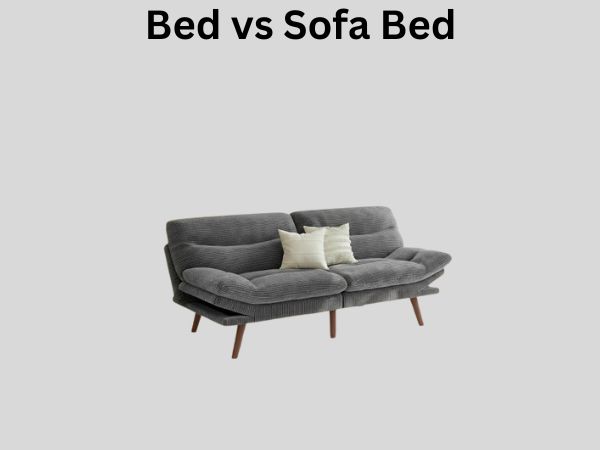
Bed vs Sofa Bed: Which Is Better for Sleeping and Daily Use?
When you’re faced with the decision of furnishing your bedroom or maximizing space in a small apartment, you’ve probably found yourself wondering: should I go with a traditional bed or invest in a sofa bed? It’s a question that millions of people ask themselves every year, and honestly, there’s no one-size-fits-all answer. But don’t worry—I’m here to walk you through everything you need to know to make the right choice for your lifestyle.
Think of this decision like choosing between a specialized tool and a multi-tool. Sure, a specialized tool does one job exceptionally well, but a multi-tool offers flexibility. The same principle applies to beds versus sofa beds. Let me break down the pros and cons of each option so you can make an informed decision.
Understanding the Basic Difference
Before we dive deep into the comparison, let’s clarify what we’re actually talking about. A traditional bed is a furniture piece specifically designed for sleeping, typically consisting of a frame, mattress, and base. It’s a one-job wonder—it’s there to provide you with a comfortable place to rest your head at night.
A sofa bed, on the other hand, is the Swiss Army knife of furniture. During the day, it functions as a couch where you can sit, watch television, or entertain guests. When bedtime rolls around, you pull out a hidden mattress or fold down the seating area to create a sleeping surface. It’s the ultimate space-saving solution for those living in cozy apartments or smaller homes.
The Comfort Factor: How Do They Really Compare?
Traditional Beds and Sleep Quality
Let’s be honest—when it comes to pure sleeping comfort, a traditional bed typically wins hands down. A proper bed with a quality mattress is engineered from the ground up to support your body during those crucial eight hours of rest. The mattress has time to break in and conform to your unique sleeping patterns, and there’s no compromising on support or cushioning.
Traditional beds come in various firmness levels, and you can choose the exact type of mattress that works best for your body. Whether you prefer memory foam, innerspring, latex, or hybrid mattresses, you have complete control over your sleeping experience. That consistency matters more than you might think—your body adapts to familiar sleeping surfaces, and changing surfaces every night can actually interfere with sleep quality.
Sofa Bed Comfort During Sleep
Now, sofa beds have come a long way in recent years. Some modern sofa beds actually provide respectable sleeping comfort, especially if you invest in a higher-end model. However, let’s be real—there are inherent trade-offs. The mattress in a sofa bed is typically thinner than a traditional bed mattress, and it’s compressed into a frame designed to be compact when folded.
You might notice that sofa bed mattresses can feel a bit firm or have a slightly different texture than a traditional bed. Some people describe it as sleeping on a surface with a slight ridge where the mattress folds. While this isn’t a deal-breaker for everyone, it’s definitely something to consider if you’re someone who’s sensitive to sleep surface changes.
Space Efficiency: Making the Most of Your Square Footage
Traditional Beds and Room Layout
A traditional bed does take up dedicated floor space in your bedroom. A queen-size bed occupies roughly 45 square feet just for the mattress itself, plus you need to add space for nightstands, dressers, and walking room. In a small bedroom, this can feel limiting. You’re essentially designating an entire room to one purpose—sleeping.
That said, if you have the space available, a traditional bed allows you to keep your bedroom exclusively for sleeping and relaxation. Your living room remains a separate gathering space, and you don’t have to worry about clutter mixing bedroom and living room elements in one area.
Sofa Beds: The Space-Saving Champion
Here’s where sofa beds truly shine. If you’re living in a studio apartment or a one-bedroom where you need your bed to pull double duty, a sofa bed is an absolute game-changer. During the day, you have a proper seating area for watching movies or entertaining friends. At night, the same piece of furniture becomes your bed.
This efficiency is invaluable for renters in expensive urban areas or anyone with limited square footage. You’re essentially getting two pieces of furniture in the footprint of one. That’s not just space-saving—it’s smart living.
Durability and Long-Term Investment
How Long Traditional Beds Last
A quality traditional bed can last you 7 to 10 years or even longer, depending on the mattress quality and how well you maintain it. If you invest in a premium mattress, you might get even more years of use. The frames are typically sturdy, and if something breaks, you can often replace individual components without replacing the entire bed.
Traditional beds are also easier to maintain. You rotate the mattress every few months, wash your bedding regularly, and use a mattress protector—these simple steps can extend your bed’s lifespan significantly.
Sofa Bed Longevity Concerns
Sofa beds face more wear and tear because they’re being used for two different purposes. The frame mechanism that allows the bed to fold and unfold gets stressed with regular use. Over time, hinges can loosen, and the mattress might start showing signs of wear faster than a dedicated bed mattress would.
That said, if you’re buying a well-made sofa bed and using it primarily as a couch (with occasional sleeping), it can last many years. The issue arises when you’re using a sofa bed as your primary sleep surface every single night—the mechanism simply isn’t designed for that level of daily stress.
Cost Considerations: Budget vs. Quality
Traditional Bed Pricing
You can find decent traditional beds at virtually any price point. Budget options start around $200 for a basic frame and mattress combo, while quality mid-range options run $500 to $1,500. Premium beds can cost $2,000 to $5,000 or more. The nice thing about traditional beds is that you get what you pay for—there’s a clear correlation between price and quality.
Sofa Bed Pricing Breakdown
Sofa beds also vary widely in price, but here’s the thing—they tend to be more expensive upfront than comparable traditional beds. A decent sofa bed might cost $800 to $2,500, and premium models can exceed $3,000. You’re paying for the complexity of having two functions in one piece.
However, when you consider that a sofa bed replaces both a couch and a bed, the per-item cost might actually be lower than buying them separately. It’s all about how you look at the value proposition.
Aesthetic and Design Flexibility
Design Options for Traditional Beds
Traditional beds offer incredible design flexibility. You can choose from minimalist platform beds, ornate wooden frames, upholstered headboards, metal frames, storage beds with drawers—the options are essentially limitless. Your bedroom can reflect your personal style completely, and your bed can be the focal point or blend seamlessly into your décor.
You can also dress up a traditional bed with different bedding styles throughout the seasons, and the bed itself remains a timeless piece that works with changing interior design trends.
Sofa Bed Aesthetic Challenges
Sofa beds can look a bit awkward in some spaces. They tend to take on that “compromise” aesthetic—not quite a couch, not quite a bed. This is improving as manufacturers recognize the growing market, but you’ll still have fewer style options compared to traditional beds or traditional sofas.
The best-looking sofa beds are typically those that prioritize their couch function, with the bed mechanism being as subtle as possible. These models tend to be pricier, but they integrate much more seamlessly into living spaces.
Practical Daily Use Comparison
Morning and Evening Routines with Traditional Beds
With a traditional bed, your morning routine is straightforward—you wake up and get out of bed. There’s no mechanism to fold away, no cushions to rearrange. Your bedroom stays bedroom-ready all day. If you’re someone who values simplicity and routine, this predictability is comforting.
Sofa Bed Daily Living Workflow
Sofa beds require a bit more interaction. If you’re using it as your primary sleeping spot, you’re essentially converting furniture every morning and evening. For some people, this becomes routine and second nature. For others, it’s an annoying extra step. The conversion process typically takes 5 to 15 minutes, depending on the model.
You also need to think about where you’re storing pillows and bedding during the day. Are you tossing them into a closet? Piling them on a chair? These practical considerations matter for daily living.
Guest Accommodation and Social Situations
Traditional Beds for Guest Sleeping
If you frequently have overnight guests, a traditional bed makes hosting guests easier. You have a dedicated sleeping space, and your guests aren’t wondering whether they need to help convert furniture. However, if your guests arrive without notice, you might not have a designated sleeping area ready unless you have a guest room.
Sofa Beds as Guest Solution
Here’s where sofa beds earn major points. They’re perfect for hosting guests without needing a dedicated guest room. Your guests can sleep comfortably, and your living space can still serve its purpose when they’re awake. This is particularly valuable if you live alone or with a partner in a smaller space.
Health and Wellness Considerations
Spinal Support and Sleep Health
Your spine and back health depend significantly on proper mattress support. Traditional beds allow you to choose a mattress with specific firmness and support features tailored to your needs. If you have back pain or other spinal issues, you can select a mattress specifically designed to address your concerns.
Sofa bed mattresses, while improving, are more generic in their support features. They’re designed to be acceptable for occasional use rather than optimized for nightly sleeping. If you have any existing back or joint issues, a traditional bed is usually the better choice.
Allergies and Cleanliness
Traditional beds make it easier to maintain cleanliness routines. You can regularly vacuum under and around the bed, wash bedding in a consistent schedule, and use mattress protectors. The stationary nature of a bed makes it simpler to maintain hygiene standards.
Sofa beds can trap more dust and allergens in their mechanisms, and the confined space when folded can harbor allergens. If you’re sensitive to dust mites or have allergies, this is worth considering.
Making Your Decision: A Practical Framework
Choose a Traditional Bed If:
- Sleep quality is your top priority
- You have dedicated bedroom space available
- You want maximum comfort for nightly use
- You have back pain or spinal concerns
- You prefer simplicity and routine
- You don’t frequently host overnight guests
- You want a piece of furniture that lasts many years with minimal wear
Choose a Sofa Bed If:
- You’re living in a space-constrained environment
- You frequently host overnight guests
- You want a multipurpose furniture piece
- You’re willing to compromise slightly on nightly comfort for daytime functionality
- You need to maximize usable living space
- Budget constraints make buying separate pieces difficult
- You value design flexibility and modern aesthetics
Hybrid Solutions Worth Considering
Murphy Beds: The Best of Both Worlds?
If you’re intrigued by space-saving options but not sold on sofa beds, Murphy beds might be worth exploring. These fold down from the wall when needed and store vertically when not in use. They offer traditional bed comfort without consuming floor space. The downside is installation complexity and cost, but they’re genuinely excellent for small spaces.
Day Beds with Trundle Options
Day beds serve a similar purpose to sofa beds but with a different aesthetic. They look more like traditional beds with a couch-like frame and often include a trundle bed underneath for guests. If you like the idea of a sofa bed but want something that looks more like traditional bedroom furniture, day beds might be your answer.
Final Thoughts on Making Your Choice
The truth is, neither option is objectively better—they’re better for different situations. A traditional bed is unbeatable for sleep quality and long-term comfort. A sofa bed is unbeatable for space efficiency and multipurpose functionality.
Think about your life circumstances, your priorities, and your living situation. Are you prioritizing comfort, space, style, or practicality? Your answer to that question should guide your decision. If you can afford both options and have the space, by all means, get both. But if you’re choosing one, be honest about which factors matter most to you.
Conclusion
The bed versus sofa bed debate doesn’t have a universal winner because the right choice depends entirely on your personal circumstances. Traditional beds deliver superior sleep comfort, durability, and simplicity—making them ideal if you have dedicated bedroom space and sleep quality is paramount. Sofa beds excel at solving space constraints and serving dual purposes, making them perfect for studio apartments, frequent entertaining, or budget-conscious shoppers buying furniture for the first time.
Take time to evaluate your specific needs, your living space, your budget, and how you actually live day-to-day. Visit showrooms if possible and test both options. Consider whether you’re willing to compromise on any factor in exchange for gains in another. Remember that this isn’t a permanent decision—furniture can be replaced and spaces can be redesigned. Whatever you choose, make sure it aligns with how you truly want to live, not just what seems practical in theory.
Frequently Asked Questions
Can a sofa bed replace a traditional bed for nightly use?
Technically yes, but it’s not ideal. While modern sofa beds are more comfortable than older models, they’re not engineered with the same level of support and durability as traditional mattresses when used every single night. If you’re planning to sleep on a sofa bed regularly, invest in the highest quality option you can afford, and consider adding a mattress topper for extra comfort and support.
How often should I replace a sofa bed mattress?
Sofa bed mattresses typically need replacement every 5 to 7 years with regular nightly use, or every 8 to 10 years with occasional use. This is generally sooner than traditional bed mattresses because the folding mechanism and dual-purpose design create more wear. Check the manufacturer’s recommendations for your specific model, as quality varies significantly.
Are there sofa beds that are comfortable for everyday sleeping?
Yes, there are! Premium sofa beds from brands that specialize in quality sleep furniture can be quite comfortable for nightly use. Expect to pay $1,500 to $3,000 or more for models that prioritize mattress quality and comfort. Reading reviews from people using them for nightly sleep is essential before making a purchase.
What’s the best mattress topper for a sofa bed?
A 2 to 4-inch memory foam or gel-infused to

![10 Best Chesterfield Sofa Bed [2026]](https://hometopaccesories.com/wp-content/uploads/2026/09/10-best-chesterfield-sofa-bed-2026-featured-768x432.jpg)