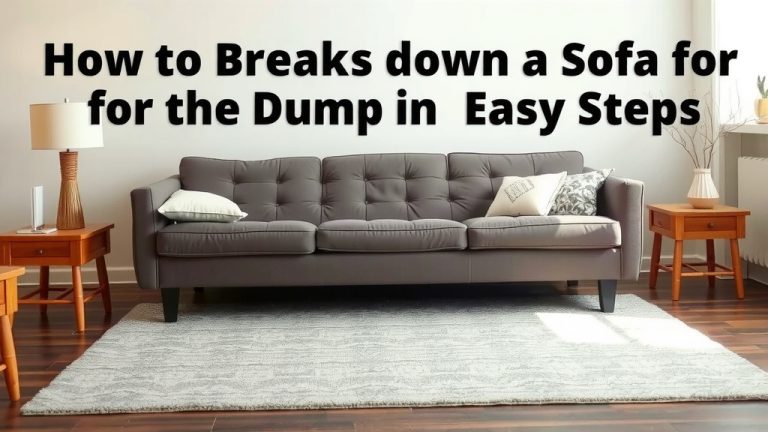
How to Clean a Dry Clean Only Sofa Without Ruining It
The easiest way to clean a dry clean only sofa is to vacuum it thoroughly, spot treat stains with a gentle solvent-based cleaner, and avoid soaking the fabric with water. You can also sprinkle baking soda to pull out odors before vacuuming it up. The key is using as little moisture as possible.
We know the label sounds scary, like one wrong move and your sofa is ruined forever. But many experts say you can safely freshen these fabrics at home if you’re careful. We researched the most trusted methods and found that gentle, dry techniques work best. Think of it as a light touch, not a deep scrub.
TL;DR:
- Vacuum the whole sofa first, including cushions and crevices.
- Spot clean stains with a dry cleaning solvent, never plain water.
- Test any cleaner on a hidden spot before going all in.
- Sprinkle baking soda to absorb odors, then vacuum it away.
- Call a professional for big stains or delicate fabrics like silk or velvet.
Below, we walk you through everything you need to know about cleaning your dry clean only sofa, step by step. Grab a vacuum and a little patience, and your couch will thank you.
Cleaning a Dry Clean Only Sofa Without Ruining It
Yes, you can clean a dry clean only sofa at home if you stick to low-moisture methods. Vacuum first, spot clean with a solvent, and never soak the fabric. Many experts say the biggest mistake is using too much water, which can leave rings and water stains (Cleveland Clinic).
Think of your sofa fabric like a wool sweater. You wouldn’t toss it in the washer, right? Same idea here. Small, careful steps win the day.
What the Care Tag Is Actually Telling You
Before you touch your sofa with anything, check the tag. That little label is your cheat sheet.
- W: Safe to clean with water-based products.
- S: Solvent-based cleaner only. No water.
- WS: Either type works, but test first.
- X: Vacuum only. Call a pro for anything deeper.
Dry clean only tags almost always mean an S or X. If your tag says X, this article gets a lot shorter for you: vacuum well, and hire a professional for the rest. We found that forcing water or solvent onto X-coded fabric often does more harm than good.
Can’t Find the Tag?
Check under the cushions, along the base skirt, or under the frame. Tags love to hide. If it’s truly missing, treat the fabric as the most delicate option: solvent-only, minimal moisture. Many experts recommend asking the manufacturer or store where you bought it before trying anything new.
Supplies You’ll Need Before You Start
Good news: you probably own half of this already. Here’s your shopping list.
- Vacuum with an upholstery brush attachment
- Dry cleaning solvent (look for ones labeled for upholstery)
- Baking soda
- Clean white microfiber cloths
- Soft-bristle brush (an old toothbrush works)
- A small fan for drying
One quick note: pick white or colorfast cloths. A red towel on a cream sofa is a stain you made yourself, and nobody wants that.
Step One: Vacuum Like You Mean It
Vacuuming removes the loose dirt that would otherwise turn into mud the moment any liquid touches it. That’s why this step always comes first.
- Remove cushions and vacuum both sides. Our step-by-step guide to cleaning sofa cushions covers this in more detail.
- Use the crevice tool along seams, buttons, and tufts.
- Run the brush attachment over arms, back, and base.
- Don’t forget under the cushions. Crumbs live there rent-free.
Go slowly. Quick passes leave crumbs behind, and those crumbs will betray you later.
Why Vacuuming Matters So Much
Dust, pet dander, and skin cells build up in upholstery fast. The American Lung Association recommends vacuuming upholstered furniture regularly because trapped particles can affect indoor air quality. A few minutes with the vacuum does more for your sofa than any fancy spray.
Step Two: Deodorize With Baking Soda
Baking soda is the quiet hero of fabric care. Sprinkle a light, even layer over the whole sofa and let it sit for 15 to 30 minutes, or overnight for stubborn smells. Then vacuum it up completely.
Why does it work? Baking soda is mildly alkaline, so it neutralizes acidic odor molecules instead of just covering them up. We found that this simple step handles most everyday smells, like pet odors and last night’s takeout.
Step Three: Spot Clean Stains the Safe Way
Here’s where patience pays off. Always test first, always dab, never scrub.
How to Spot Test
Dab a little solvent on a hidden spot, like the back corner or under a skirt. Blot with a white cloth and let it dry. Check for color loss, fading, or fabric changes. If the test spot looks fine after a few hours, you’re clear to proceed.
Blotting Technique That Works
Apply solvent to your cloth, never straight onto the sofa. Blot from the outside of the stain inward so it doesn’t spread. Work in small circles with light pressure. Scrubbing pushes the stain deeper and roughs up the fibers, like rubbing a marker into paper.
Handling Different Stain Types
Different stains need slightly different moves. Here’s a quick guide.
| Stain Type | First Move | Extra Tip |
|---|---|---|
| Food or grease | Blot excess, then solvent blot | Work from edges inward |
| Ink | Dab gently with solvent | Don’t rub; it spreads fast |
| Pet accidents | Blot, then baking soda, then vacuum | Enzyme sprays need a water test first |
| Mud | Let it dry fully, vacuum, then spot clean | Wet mud spreads; dry mud lifts |
Step Four: Freshen and Dry Properly
After spot cleaning, let everything air dry with good airflow. Point a fan at the area or open a window. Moisture left sitting in cushions invites mold and mildew, which the EPA warns can start growing within 24 to 48 hours in damp spots.
When it’s fully dry, fluff the fibers with a soft brush. This little step makes the fabric look evenly fresh instead of patchy.
When to Call a Professional Cleaner
Some jobs deserve expert hands. Skip the DIY route if any of these sound familiar.
- The tag says X
- Fabric is silk, velvet, or rayon
- Stains cover a large area or several cushions
- There’s a lingering smell you can’t remove
- The test spot showed fading or color change
- Your sofa is an heirloom or a big investment piece
Professional upholstery cleaning usually costs a few hundred dollars for a full sofa. That can feel pricey, but it’s cheaper than replacing a sofa you love.
Mistakes That Ruin Dry Clean Only Sofas
We found that most sofa disasters come from a handful of repeat offenders. Avoid these and you’re ahead of the game.
- Using water or steam on solvent-only fabric
- Scrubbing instead of blotting
- Skipping the patch test
- Saturating cushions so they stay damp for days
- Using colored cloths that bleed dye
Remember, this fabric isn’t fragile glass. It just doesn’t like water. Treat it gently, work in small steps, and your sofa will stay looking good for years.
Your Quick Pre-Cleaning Checklist
Before you start, run through this list. Two minutes now saves hours of regret later.
- Read the care tag and confirm the code
- Test your cleaner on a hidden spot
- Gather white cloths, solvent, and baking soda
- Vacuum every cushion, seam, and crevice
- Plan for airflow and drying time
- Know when to stop and call a pro
Conclusion
Cleaning a dry clean only sofa comes down to three habits: vacuum first, blot with solvent instead of scrubbing, and keep moisture to a minimum. We found that most damage happens when people skip the patch test or reach for water on solvent-only fabric. Take it slow, work in small sections, and let everything dry with plenty of airflow. Your sofa doesn’t need a deep soak, just a steady light touch.
Ready to start? Grab your vacuum, check that care tag, and test your cleaner on a hidden spot today. Five careful minutes now beats a costly cleaning bill later.
Frequently Asked Questions
Can I use rubbing alcohol on a dry clean only sofa?
You can in some cases, since rubbing alcohol evaporates quickly and leaves less moisture behind than water. We found it works well on ink and some greasy marks, but it can damage certain dyes and finishes. Always test it on a hidden area first and let it dry fully before judging the results.
How often should I clean a dry clean only couch?
Vacuum it every week or two, and give it a baking soda refresh once a month if pets or kids share the space. Save solvent spot cleaning for actual stains, since frequent solvent use can wear down fibers. A full professional cleaning every 12 to 18 months keeps things in good shape.
What happens if I accidentally get water on my dry clean only sofa?
Don’t panic, and don’t rub it. Blot up as much as you can with a dry white cloth, then let the spot air dry completely. Water can leave a ring as it dries, so if one appears, a light solvent blot around the edges of the ring may help blend it back in.
Can I use a steam cleaner on my dry clean only sofa?
No, steam is a bad idea here. Steam is basically hot water vapor, and it delivers exactly the moisture this fabric can’t handle. It can shrink fibers, bleed dyes, and set stains deeper. Stick with dry methods or call a professional instead.
Is dry cleaning solvent safe to use around kids and pets?
Most upholstery solvents are fine once they’ve fully evaporated, but the fumes can be strong while wet. Open your windows, run a fan, and keep kids and pets out of the room until everything is dry and odor-free. Store the solvent somewhere they can’t reach, and never spray it near flames or heat sources.