How to Clean Dust Off Your Sofa: Easy Steps That Work
The easiest way to clean dust off a sofa is to vacuum it with an upholstery attachment, then wipe it down with a slightly damp microfiber cloth. That quick combo pulls out the dust hiding in fabric and on the surface. No fancy products needed.
Here’s the thing though: dust doesn’t just sit on top. It settles into cushion crevices, under seat pads, and even inside the frame. We researched the best cleaning methods and found that a few simple habits can keep your sofa looking (and smelling) fresh between deep cleans. Many experts say regular vacuuming also helps cut down on allergens in your living room.
- Vacuum your sofa weekly with an upholstery brush attachment.
- Remove cushions and clean underneath — that’s where dust loves to hide. Our step-by-step guide to cleaning sofa cushions covers both sides, seams, and stains in detail.
- Use a damp microfiber cloth for fabric, leather, or wood surfaces.
- Lint rollers work great for pet hair and dust on throw pillows.
- Aim for a light clean weekly and a deeper clean monthly.
Sound doable? Good. Below, we break down everything you need to know about cleaning dust off your sofa, step by step — so you can get back to lounging in a dust-free zone.
Removing Dust From Your Sofa the Easy Way
The fastest method is simple: vacuum first, then wipe. Vacuuming pulls dust out of the fabric. Wiping catches whatever’s left on the surface. We found this two-step approach works on almost every sofa type, from microfiber to leather.
Think of it like brushing your teeth before using mouthwash. Each step handles a different job. Skip one, and you’ll notice.
What You’ll Need Before You Start
Good news: you probably own everything already. No special products, no trip to the store. Just gather these items and you’re set.
- Vacuum with an upholstery brush attachment
- Microfiber cloths — two if possible, one dry and one damp
- Lint roller for pet hair and throw pillows
- Soft-bristle brush or a clean toothbrush for crevices
- Bucket of warm water with a tiny drop of dish soap
A Quick Note on Fabric Tags
Before anything touches water, check your sofa’s care tag. That little label matters more than you’d think. A “W” means water-based cleaners are safe. An “S” means solvent-only, so stick to dry methods. An “X” means vacuum only — no liquids at all. If your tag is missing or confusing, our guide to sofa fabric cleaning codes breaks down every letter.
We found that ignoring this tag is the number one way people accidentally stain their sofas. Two minutes of checking saves a lot of regret.
Step-by-Step: Cleaning Dust Off Fabric Sofas
Fabric traps dust like a magnet. Every time someone sits down, the cushions push air through the fabric and puff dust back out. That’s why your sofa seems to collect dust faster than your shelves.
Step 1: Remove and Shake the Cushions
Take every cushion off and give them a good shake outside or over a garbage can. You’d be surprised what falls out — crumbs, dust bunnies, the occasional missing sock. Then vacuum both sides of each cushion slowly.
Step 2: Vacuum the Frame and Crevices
Run your upholstery attachment along the arms, back, and base. Get into the crevices where cushions meet the frame. Dust loves to hide there because nobody checks.
Many experts say weekly vacuuming also cuts down on allergens like dust mites and pet dander (Mayo Clinic). If anyone in your home has allergies, this step isn’t optional — it’s your front line.
Step 3: Wipe Down With a Damp Cloth
Dampen a microfiber cloth with warm water and wring it out well. It should feel almost dry. Wipe the surfaces in one direction, rinsing the cloth often. Let everything air dry before putting cushions back.
How to Handle Leather and Faux Leather Sofas
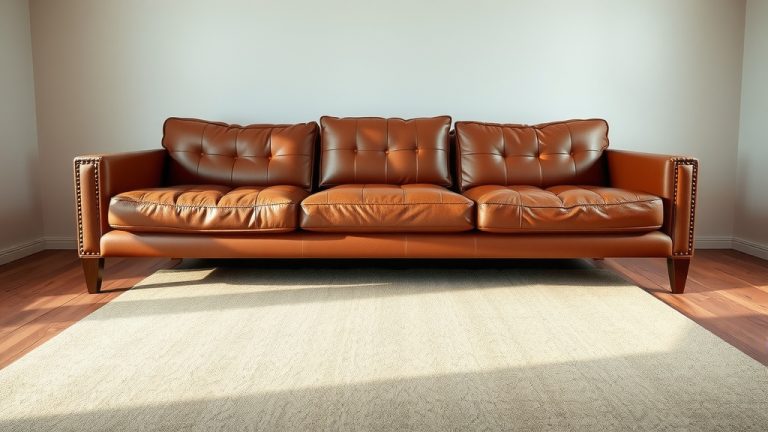
Leather is easier in some ways. Dust sits on top instead of sinking in. A dry microfiber cloth usually does most of the work.
Wipe in soft circles, then follow with a cloth barely dampened with water. Skip the dish soap here. Harsh soaps can dry leather out and cause cracking. Many manufacturers suggest a pH-balanced leather cleaner every month or two, followed by a light conditioner to keep the surface from drying out.
Don’t forget the seams. Dust collects along stitched edges like snow along a fence line. A soft brush nudges it out before you wipe.
Wooden Legs, Frames, and Arms
Wood parts collect their own dusty film. Wipe them with a barely damp microfiber cloth, then dry immediately with a second cloth. Water left sitting on wood leaves rings or cloudy marks — nobody wants that.
If the wood looks dull after cleaning, a small amount of furniture polish restores shine. Test it on a hidden spot first. Always.
Tackling Dust Under and Behind the Sofa
Here’s the part everyone skips. Pull your sofa away from the wall and look behind it. We found that the floor and baseboards back there often hold the biggest dust buildup in the whole room. Cleaning that area means less dust drifting back onto your cushions.
Vacuum the floor, wipe the baseboards, and dust the wall while you’re back there. Your future self will thank you. Your allergies might too (Cleveland Clinic notes regular dusting helps reduce indoor allergy triggers).
How Often Should You Clean Your Sofa?
Short answer: a light clean weekly, a deeper clean monthly. If you have pets or kids, lean toward more often. Here’s a quick schedule we put together based on common expert recommendations:
| Task | How Often | Time Needed |
|---|---|---|
| Vacuum cushions and crevices | Weekly | 5–10 minutes |
| Damp-wipe surfaces | Every 2 weeks | 5 minutes |
| Clean under cushions and behind sofa | Monthly | 15–20 minutes |
| Condition leather | Every 1–2 months | 20 minutes |
Signs Your Sofa Needs Cleaning Now
Not sure if it’s time? Your sofa will usually tell you.
- You see a visible dusty film on the arms or back
- Dust puffs out when you sit down
- It smells a little stale or musty
- Anyone sneezes more in the living room than elsewhere
Your Quick Sofa Dusting Checklist
Pin this next-step list somewhere handy. It takes about ten minutes once you’re in the rhythm.
- Grab your vacuum with the upholstery brush
- Remove cushions and vacuum both sides
- Vacuum the frame, base, and every crevice
- Wipe surfaces with a barely damp microfiber cloth
- Roll throw pillows and blankets with a lint roller
- Check behind the sofa and vacuum the floor there
Common Mistakes That Make Dust Worse
Even well-meaning cleaners slip up sometimes. Avoid these and you’ll stay ahead of the dust instead of chasing it.
Using Too Much Water
A soaking wet cloth pushes dust deeper into fabric instead of lifting it out. It can also leave water spots or, worse, create a damp spot where mildew grows. Wring until it’s barely moist. Barely counts.
Skip Dry Dusting Sprays on Fabric
That lemon-scented dust spray is great on shelves, terrible on upholstery. It leaves a slick residue that attracts more dust and attracts it faster. Save it for the coffee table.
Forgetting Your Air Filters
If your HVAC filter is old, it keeps recycling the same dust right back onto your sofa. Many experts suggest checking filters every one to three months (EPA guidance on indoor air quality). A fresh filter means less cleaning everywhere, not just the couch.
Can You Prevent Dust From Settling on Your Sofa?
You can’t stop dust entirely — it’s stubborn like that. But you can slow it down a lot. A few small habits go a long way.
Run an air purifier in the room if you can. Wash throw blankets and covers regularly. Groom pets often, since pet dander rides on dust particles. And keep windows closed on windy, dry days when dust blows in freely.
We found that homes with a weekly light-cleaning routine barely ever need intense deep cleans. Ten minutes now beats two hours later. Your sofa — and your sinuses — will both thank you.
Conclusion
Cleaning dust off your sofa really comes down to a simple rhythm: vacuum with the upholstery attachment, wipe with a barely damp microfiber cloth, and check the spots everyone forgets — under the cushions and behind the couch. Check that care tag before anything wet touches fabric, and go easy on water. A ten-minute weekly routine keeps dust, allergens, and that stale smell from creeping back in. We found that consistency beats deep cleans every single time. So here’s your next step: grab your vacuum tonight, pull those cushions off, and start the habit. Your sofa will look better, your air will feel cleaner, and your weekends will thank you.
Frequently Asked Questions
Can I use a regular vacuum cleaner on my sofa?
Yes, as long as you use the upholstery brush attachment. Skip the beater bar or spinning floor head on fabric, though. It can pull threads, snag loose weaves, or leave pilling. A slow pass with the soft brush is all your couch needs.
Is it better to dust a sofa in the morning or at night?
Either works, but morning often gives you a head start. Dust has settled overnight, and the fabric has time to air out during the day. If you vacuum in the evening, let cushions air dry before anyone sits down again.
How do I get dust out of a microfiber sofa without ruining it?
Microfiber responds well to dry methods first. Vacuum with the upholstery attachment, then gently brush with a soft-bristle brush to lift fibers and release trapped dust. If you wipe, keep the cloth barely damp and always check the care tag for an “S” or “W” code before using any water.
Why does my sofa get dusty so fast even after cleaning?
Several things feed dust faster than you’d expect: an old HVAC filter recirculating particles, pet dander, open windows on dry windy days, and dusty floors around the couch. We found that cleaning behind the sofa and swapping your air filter on schedule slows regrowth dramatically.
Can dust on my sofa make my allergies worse?
It can. Sofas trap dust mites, pet dander, and pollen, then release particles into the air every time someone sits down. If your symptoms flare up in the living room, your couch is a likely culprit. Weekly vacuuming with an upholstery brush helps cut down those triggers noticeably.