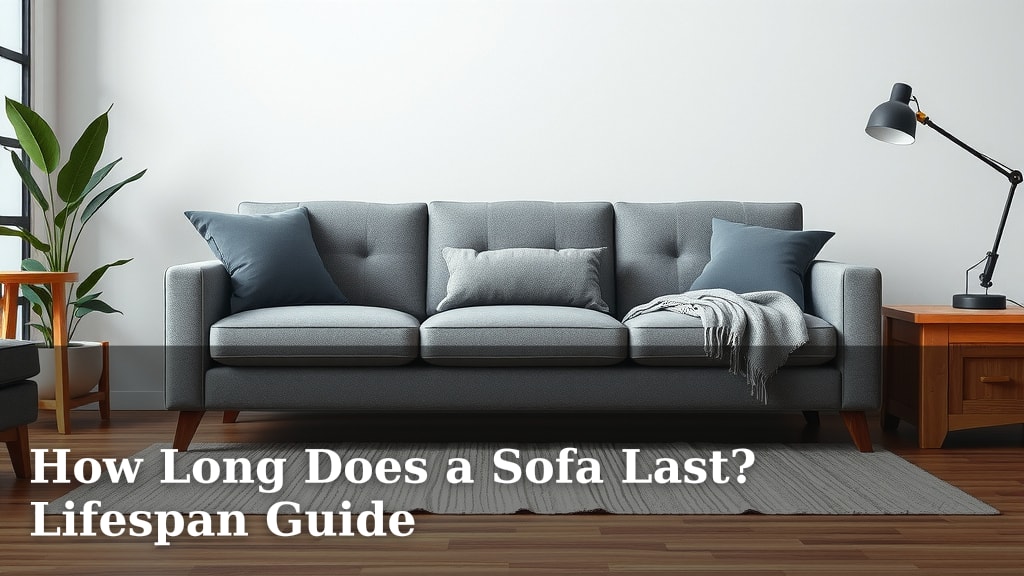
How Long Does a Sofa Last? Lifespan Guide
Your sofa’s lifespan can vary greatly, but most quality sofas last between 7 to 15 years with proper care. Some can even last longer! Understanding what affects your sofa’s durability can help you make a smart choice and keep it looking great.
The materials used, how often it’s used, and how well you maintain it all play a big role. A family room sofa that sees daily action will age differently than a formal living room couch. We found that frame construction and fabric type are major indicators of longevity.
- Sofas typically last 7-15 years.
- Quality construction is key to a longer lifespan.
- Frame material, fabric, and usage matter.
- Regular cleaning and maintenance help.
- Consider how you’ll use your sofa.
Ready to figure out how long your current couch might stick around, or what to look for in your next one? Let’s break down the factors that contribute to your sofa’s longevity.
Understanding Your Sofa’s Expected Lifespan
How long should you realistically expect your sofa to last? Most quality sofas give you a good 7 to 15 years of service. Some well-made pieces might even surprise you and stick around for 20 years or more. Your sofa’s lifespan isn’t set in stone, though. It really depends on several factors we’ll explore.
What Makes a Sofa Last Longer?
Frame Construction: The Backbone of Your Couch
The frame is the skeleton of your sofa. A sturdy frame means your sofa will hold its shape and support for years to come. We found that hardwood frames are generally the most durable option. They resist warping and cracking over time.
Hardwood vs. Softwood Frames
Hardwood types like oak, maple, or ash are excellent choices for sofa frames. They offer superior strength and stability. Softwoods like pine can be used, but they might not hold up as well under heavy use. Often, they’re combined with other materials for cost savings.
Engineered Wood and Metal Frames
Don’t count out engineered wood products like plywood or furniture-grade particleboard. High-quality versions can be quite strong. Metal frames are also very durable, offering excellent stability. Just be sure the welds are solid.
Tip: Ask about the frame material when you’re shopping. A good salesperson should know and be happy to tell you. A sofa that’s built to last often comes with a warranty on the frame, which is a good sign.
Upholstery Fabric: More Than Just Looks
The fabric covering your sofa plays a huge role in its durability. Think about where your sofa will live and how it will be used. High-traffic areas need tougher fabrics.
Durable Fabric Choices
For maximum wear and tear, look for fabrics like microfiber, leather, or tightly woven synthetics like polyester or nylon. These materials are often resistant to stains and fading. They can handle daily use without showing wear quickly.
Fabrics to Be Cautious With
Delicate fabrics like silk or certain types of linen might look beautiful but are more prone to damage. They’re better suited for formal living rooms or guest rooms. We found that fabrics with a high “rub count” on the Martindale scale are also a good indicator of durability.
Consideration: If you have pets or young children, you’ll want a fabric that can withstand scratching and frequent cleaning. A performance fabric might be your best bet for a family-friendly sofa.
Cushion Quality: The Comfort Factor
Cushions are what make a sofa inviting. The quality of the filling and how it’s constructed impacts how long they keep their shape and comfort.
Foam, Down, and Fiberfill
Foam cushions, especially those with a high density, tend to hold their shape well. Down or feather-filled cushions are wonderfully plush but require regular fluffing to maintain their loft. Fiberfill can compress over time. Many high-quality sofas use a foam core wrapped in down or fiberfill for a good balance of support and softness.
Reversible Cushions
If your sofa has reversible cushions, that’s a great feature for longevity. You can flip and rotate them regularly. This helps distribute wear evenly, extending their life. We found that this simple act can significantly prolong the look and feel of your cushions.
How Usage Affects Your Sofa’s Lifespan
Daily Drivers vs. Occasional Sitters
It makes sense that a sofa in the family room, which might see daily action from kids, pets, and movie nights, will age differently than a sofa in a formal living room. The more frequently a sofa is used, the more stress it undergoes.
We found that the average sofa in a high-use area might reach its lifespan limit faster than one used only for special occasions. Think of it like shoes: daily walkers wear out faster than those saved for a Sunday stroll.
Pets and Children: The Extra Challenge
If you share your home with pets or young children, your sofa is likely to face extra challenges. Things like spills, scratches, and general wear and tear can add up. Choosing durable, easy-to-clean fabrics becomes even more important in these households. Many experts suggest performance fabrics specifically designed for these situations.

Maintenance: Keeping Your Sofa Looking Good
Regular Cleaning and Care
Consistent cleaning is key to a sofa’s longevity. Regularly vacuuming your sofa helps remove dust, dirt, and debris that can wear down the fabric over time. For spills, prompt attention is crucial.
We found that treating stains immediately with the appropriate cleaning solution can prevent them from setting in. Always check the manufacturer’s cleaning codes for your specific upholstery to avoid damage.
Rotating and Fluffing
If your sofa has removable cushions, rotating and flipping them regularly is a simple yet effective way to ensure even wear. Likewise, fluffing down or fiber-filled cushions helps maintain their shape and comfort. This simple habit makes a big difference over the years.
Making the Right Choice for You
When you’re looking for a new sofa, consider your lifestyle. Are you buying for a busy family hub or a quiet retreat? Understanding these factors will help you choose a sofa that’s built to last and fits your needs. Prioritizing quality construction, durable materials, and a maintenance routine will help you get the most years out of your furniture investment.
A Quick Checklist for Sofa Longevity:
- Inspect the frame material (hardwood is best).
- Choose durable, appropriate upholstery fabric.
- Check cushion construction and density.
- Consider your household’s daily usage.
- Plan for regular cleaning and maintenance.
- Look for warranties on construction.
Conclusion
Your sofa’s lifespan is in your hands, influenced by quality choices and consistent care. By understanding frame construction, fabric durability, and your household’s usage patterns, you can make informed decisions. Remember that regular maintenance, like cleaning and rotating cushions, significantly extends your sofa’s life and keeps it looking great. When you invest in a well-built sofa and treat it with care, you’re setting yourself up for years of comfort and style. Take these tips to heart, and you’ll be enjoying your sofa for longer than you might have imagined.
Frequently Asked Questions
What’s the biggest factor in how long a sofa lasts?
Research indicates that frame construction is the most critical element for a sofa’s longevity. A solid hardwood frame provides the best foundation, ensuring the sofa maintains its structural integrity and support over many years of use.
How can I tell if a sofa frame is good quality?
Look for sofas with frames made from hardwoods like oak, maple, or ash. You can often check by lifting one end of the sofa; if the opposite leg lifts off the floor, it suggests a well-built frame. Also, check for warranties on the frame, which manufacturers often offer on high-quality pieces.
Are performance fabrics really worth the extra cost for pets and kids?
Yes, performance fabrics are often a worthwhile investment if you have pets or young children. They are designed to resist stains, fading, and wear, making them easier to clean and more durable against common household accidents and pet-related damage.
How often should I clean my sofa to make it last longer?
You should aim to vacuum your sofa weekly to remove dust and debris that can wear down the fabric. Address spills immediately using the appropriate cleaning method for your upholstery type to prevent permanent stains. Regular maintenance truly pays off.
Can rotating cushions really make a difference?
Absolutely. If your sofa has removable cushions, rotating and flipping them regularly distributes wear more evenly. This simple habit helps prevent specific spots from wearing out prematurely, preserving the sofa’s comfort and appearance for a longer period.