How Far From the Wall Should a Reclining Sofa?
When positioning a reclining sofa, aim for at least 6 inches of space between the wall and the back of the sofa. This buffer allows for smooth reclining without damaging your wall or the sofa mechanism. Some larger recliners might need up to 12 inches for full tilt.
Getting this distance right is key for both function and form in your living room. You don’t want to sacrifice seating comfort or accidentally scrape your paint. Many homeowners wonder about the exact measurements, and it often depends on the specific reclining mechanism and the sofa’s design.
- Allow at least 6 inches from the wall.
- Consider 12 inches for larger recliners.
- Measure your sofa’s recline depth.
- Check your sofa’s manufacturer instructions.
- Factor in traffic flow around the sofa.
We’ve researched the best practices and common guidelines for placing your reclining sofa. Let’s walk through exactly how much space you should leave and why it matters so much.
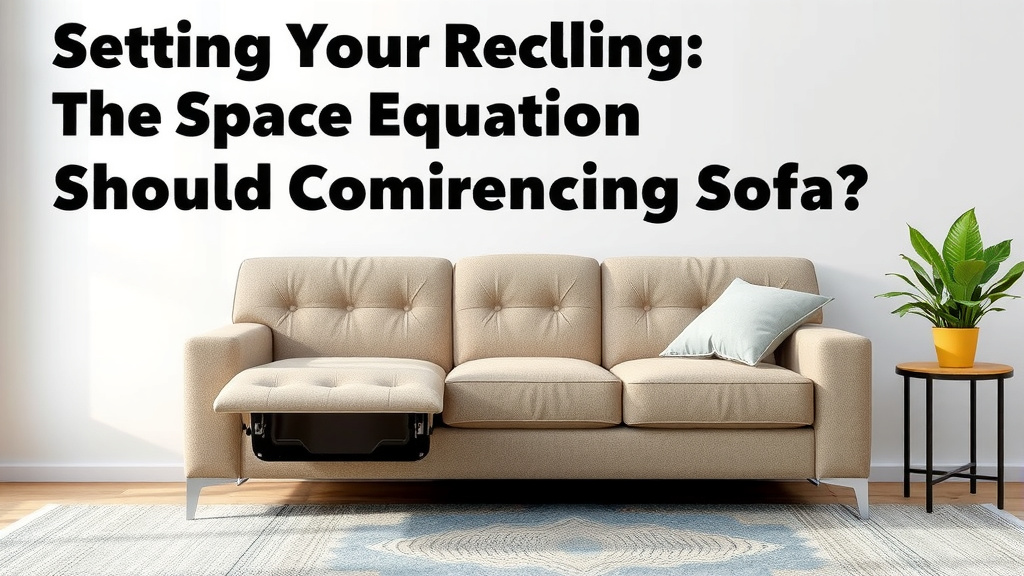
Setting Your Reclining Sofa: The Space Equation
Wondering how far your reclining sofa should sit from the wall? It’s a common question for anyone wanting to enjoy their furniture without a hitch. The short answer is: give it room to breathe! We found that a minimum of 6 inches is usually enough space. This small gap prevents your sofa from scraping paint or damaging its own reclining mechanism when you lean back.
But what if your sofa is a bit more… enthusiastic in its recline? Larger, more robust recliners might need a bit more elbow room. We’ve seen recommendations that suggest up to 12 inches for these bigger models. Think of it like giving your sofa a little personal space bubble. It’s all about making sure it can perform its reclining magic without bumping into the wall.
So, how do you figure out the right distance for your sofa? It really boils down to understanding your specific piece of furniture. Let’s break down the factors that influence this decision and help you find that perfect spot.
Understanding Your Reclining Sofa’s Needs
Every reclining sofa is a little different. They have unique mechanisms and designs that dictate how much space they require. This is where understanding the recline depth becomes super important. Some sofas recline straight back, others tilt forward slightly, and some extend quite far out.
Measuring the Recline Depth
To get a good idea, you’ll want to measure how far your sofa extends when it’s fully reclined. With the sofa in its upright position, measure from the very back of the sofa to its furthest extended point. This gives you a good baseline for the total depth required when in use.
Don’t forget to consider the overall size of the sofa too. A petite loveseat might have different needs than a massive sectional. We found that manufacturers often provide these **specifications**, which are incredibly helpful.
Consulting Manufacturer Instructions
Many furniture manufacturers include specific guidelines for placement. These instructions are usually your best bet. They’ve designed and tested the sofa, so they know its requirements best. Always check the manual or the manufacturer’s website if you can.
If you purchased your sofa recently, look for any tags or documents that came with it. These can often contain detailed information about **safe operation and placement**. It’s like getting insider tips directly from the source!
The Wall Clearance: Why It Matters So Much
Leaving adequate space between your sofa and the wall isn’t just about preventing damage. It’s about ensuring the functionality of your reclining sofa. Imagine settling in for a movie, ready to recline, only to have your sofa stop short or bang against the wall. That’s not exactly relaxing, is it?
Protecting Your Walls
The most obvious reason for space is to prevent scuffs, dents, and scrapes on your walls. We’ve all seen those tell-tale marks where furniture has rubbed against paint. A small buffer zone of 6 inches or more can be the difference between pristine walls and a repaint job. It’s a simple way to **maintain your home’s appearance**.
Safeguarding the Sofa Mechanism
The reclining mechanism itself is a complex piece of engineering. When forced against a wall, these parts can bend, break, or wear out prematurely. This can lead to a malfunctioning recliner, which is a costly and frustrating problem to fix. Giving the mechanism room to move freely is **essential for longevity**.
Ensuring Smooth Operation
A sofa that’s too close to the wall won’t recline smoothly. You might feel resistance or hear strange noises as the parts try to work around the obstacle. Proper clearance ensures that the **reclining action is fluid and quiet**, just as the designers intended.
Beyond the Wall: Other Placement Considerations
While the wall is a primary concern, thinking about space around the entire sofa is smart. Your living room is a functional space, and how you arrange your furniture impacts how you use it. Don’t forget about pathways and other furniture.
Traffic Flow and Accessibility
Consider how people will move around your living room. You need clear pathways to doors, windows, and other seating areas. A sofa that’s pushed too far back might obstruct essential walkways. We found that leaving at least **2-3 feet** for main traffic paths is a good rule of thumb in most rooms.
Room Dimensions and Layout
The size of your room plays a big role. A large sectional might need more space all around, not just from the wall. In smaller rooms, you might need to be more strategic with placement to balance comfort and functionality. Measure your room carefully and **map out your furniture** before you start moving things.
Aesthetic Appeal
Placement isn’t just about function; it’s also about how your room looks and feels. A sofa crammed against a wall can look awkward and unbalanced. Leaving some breathing room can make the entire space feel more open and inviting. Consider the **overall visual balance**.
Quick Checklist for Sofa Placement
To help you get it right, here’s a quick rundown of things to check:
- Measure your sofa’s fully reclined depth.
- Check manufacturer recommendations for clearance.
- Ensure at least 6 inches from the wall for most sofas.
- Allow up to 12 inches for larger or heavy-duty recliners.
- Verify clear traffic paths around the furniture.
- Consider the overall room layout and visual appeal.
Conclusion
You’ve learned that giving your reclining sofa enough space from the wall is essential. We found that a minimum of 6 inches is a good starting point. Larger models might need up to 12 inches for full functionality. Always consider your sofa’s specific recline depth and manufacturer’s instructions. This simple measurement protects your walls and your furniture’s mechanism. Now, take a moment to measure your sofa and your room. You’ll ensure a comfortable and damage-free reclining experience for years to come.
Frequently Asked Questions
What is the absolute minimum space I can leave between my sofa and the wall?
For most standard reclining sofas, the absolute minimum space you should aim for is 6 inches. This small gap is usually enough to prevent minor scrapes and allow for a basic recline. However, always check your sofa’s manual for precise recommendations.
Will my sofa’s wall-hugger feature eliminate the need for space?
Wall-hugger recliners are designed to operate in closer proximity to the wall than traditional models. They often require only a few inches of clearance, typically 3-4 inches. Always confirm the specific requirements listed by the manufacturer for your wall-hugger sofa.
Can I put a regular sofa too close to the wall?
Yes, you can place a non-reclining sofa very close to the wall, often flush against it. The primary concern with regular sofas is simply fitting them within your room layout. The space requirement is mainly for the moving parts of reclining furniture.
What happens if I don’t leave enough space for my reclining sofa?
If you don’t leave enough space, you risk damaging your walls with scuff marks or dents. More importantly, you can stress or break the reclining mechanism. This can lead to costly repairs and a sofa that no longer functions correctly.
Does the type of wall matter (e.g., drywall vs. plaster)?
The type of wall generally doesn’t change the space requirement for the sofa’s operation. However, softer materials like drywall might show scuffs more easily. Using a wall protector or ensuring adequate clearance is a good idea for any wall type to maintain its appearance.

![10 Best Apartment Size Sleeper Sofa [2026]](https://hometopaccesories.com/wp-content/uploads/2026/08/10-best-apartment-size-sleeper-sofa-2026-featured-768x432.jpg)

![10 Best Cleaning Products For Fabric Sofa [2026]](https://hometopaccesories.com/wp-content/uploads/2026/09/10-best-cleaning-products-for-fabric-sofa-2026-featured-768x432.jpg)