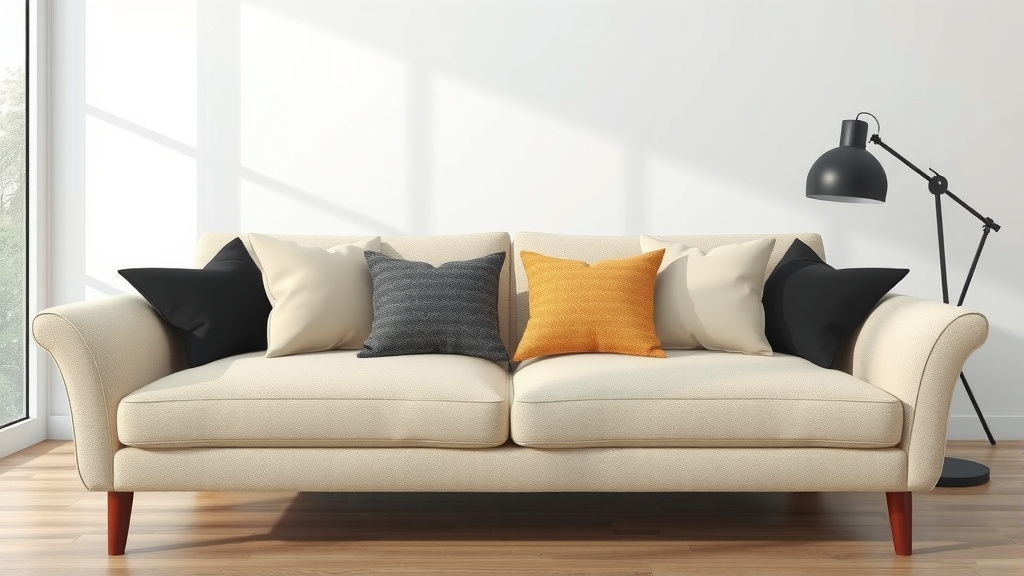
Sofa Lifespan: Trading Standards Guide to Durability
Generally, sofas should last between 7 to 15 years, depending on the quality of construction and how well you care for it. Trading standards consider a sofa’s lifespan relative to its expected durability, meaning a higher price point often implies a longer expected life. If your sofa fails significantly before this time, it might not be of satisfactory quality.
When you buy furniture, you have certain rights under consumer law. This means goods should be of satisfactory quality, fit for purpose, and as described. If your sofa breaks down unreasonably quickly, it could mean it wasn’t made to last. We found that many people are unsure about their consumer rights regarding furniture.
- Sofas typically last 7-15 years.
- Quality and care affect how long a sofa lasts.
- Consumer law protects you if a sofa is not satisfactory.
- Shorter lifespans for expensive sofas may indicate a breach of contract.
- Trading standards can help if your sofa fails prematurely.
Let’s dive into what trading standards expect from your sofa’s durability and what you can do if yours hasn’t met the mark.
How Long Can You Expect Your Sofa to Last? Trading Standards Insights
When you invest in a sofa, you’re not just buying a piece of furniture; you’re looking for comfort and durability. Generally, you can expect a well-made sofa to last somewhere between 7 to 15 years. This timeframe is a good benchmark. It considers the quality of materials and craftsmanship. Of course, your personal use and how you care for it play a huge role.
Understanding Sofa Lifespan Expectations
Think of your sofa like a good pair of shoes. If you wear them every single day for long walks, they’ll wear out faster than if you only wear them on special occasions. The same applies to your sofa. A sofa in a busy family living room with kids and pets will see more wear and tear than one in a formal sitting room.
Factors Influencing Durability
Several key elements determine how long your sofa will realistically stay in good shape. It’s a combination of what you buy and how you treat it.
- Frame Material: Kiln-dried hardwood frames are generally the most durable. Plywood can also be strong, but particleboard or plastic frames often don’t hold up as well over time.
- Springs and Support: Eight-way hand-tied spring systems are considered the gold standard for comfort and longevity. Sinuous springs are also common and can be quite durable if well-made. Webbing can be a more budget-friendly option but might sag sooner.
- Cushion Filling: High-density foam, down, or a mix of both tend to offer better support and retain their shape longer than lower-density foams or polyester fiberfill.
- Upholstery Fabric: The type of fabric matters greatly. Densely woven natural fibers like leather or performance fabrics are often more resistant to wear and tear than delicate silks or loosely woven materials.
- Construction Quality: Look for sturdy joints, well-finished seams, and attention to detail. A well-built sofa feels solid and looks polished.
Consumer Rights: What the Law Says About Sofa Durability
Here’s where trading standards and consumer law really come into play. You have rights when you purchase goods, and furniture is no exception. The law expects products to be of satisfactory quality and fit for their intended purpose. For a sofa, this means it should be comfortable, functional, and, importantly, durable for a reasonable period.
The “Satisfactory Quality” Standard
“Satisfactory quality” isn’t just about being free from obvious defects. It includes aspects like fitness for purpose, appearance and finish, freedom from minor defects, safety, and, yes, durability. If your sofa starts showing significant signs of wear or structural failure well before the typical 7-15 year lifespan, it might not meet this standard.
What is “Reasonable Durability”?
This is where the expected lifespan comes in. Trading standards and consumer law generally consider a sofa’s expected lifespan relative to its price and market. A cheap, budget sofa might have a lower expected durability than a high-end designer piece. If a £3,000 sofa starts falling apart after just two years, that’s a clear indication it might not have been of satisfactory quality, potentially breaching your consumer rights.
When Your Sofa Fails to Meet Expectations
It’s disappointing when your sofa doesn’t last as long as you hoped. You might notice things like sagging cushions, a wobbly frame, or fabric that wears out too quickly. These are all signs that your sofa might not be up to snuff.
Identifying Premature Failure
How do you know if it’s premature failure? Compare the issues you’re experiencing with the general lifespan. For instance, if the frame cracks within five years, or the springs go flat within three, these are generally considered premature issues, especially for a sofa that wasn’t bought as a temporary fix.
What to Do If Your Sofa Is Not Durable Enough
If you believe your sofa has failed prematurely, your first step is usually to contact the retailer where you purchased it. You have a right to a remedy, which could be a repair, replacement, or a refund, depending on the circumstances and how long ago you bought it. Keep all your receipts and any warranty information.
Your Checklist for Sofa Durability Concerns
Wondering what to look out for or do next? Here’s a quick checklist:
- Document Everything: Take photos or videos of the issues.
- Review Your Purchase: Check your receipt and any warranty details.
- Contact the Retailer: Explain the problem clearly and politely.
- Know Your Rights: Understand that goods should be satisfactory and durable.
- Escalate if Necessary: If the retailer isn’t helpful, you may need to involve trading standards or a consumer protection agency.
- Be Realistic: Consider the sofa’s age and price when assessing the problem.
A Quick Look at Sofa Lifespan Benchmarks
To give you a clearer picture, we’ve put together some general benchmarks. Keep in mind these are averages and can vary widely based on the factors mentioned earlier.
| Sofa Type/Price Point | Expected Lifespan (Years) | Typical Issues if Failing Early |
|---|---|---|
| High-End / Luxury Sofas | 10-15+ | Frame integrity, high-quality upholstery tears, severe cushion deflation. |
| Mid-Range / Quality Sofas | 7-12 | Spring support sagging, moderate upholstery wear, cushion reshaping needed. |
| Budget / Entry-Level Sofas | 3-7 | Frame creaking or weakness, cushion filling compacting significantly, fabric pilling or thinning. |
This table helps illustrate that while all sofas are expected to last, the **degree of expected durability** varies. If your mid-range sofa is showing the issues listed for a budget sofa after only a year, that’s a cause for concern.
Conclusion
Ultimately, your sofa should be a long-term investment, typically lasting 7 to 15 years with proper care. Consumer law stands firmly behind you, ensuring furniture is of satisfactory quality and durable for its price point. If your sofa shows signs of premature failure, don’t hesitate to act. Your first step should always be to contact the retailer directly with your concerns and evidence. You have rights, and understanding them is key to getting the resolution you deserve for a piece of furniture that hasn’t stood the test of time.
Frequently Asked Questions
What if my expensive sofa only lasts 5 years?
If a high-end sofa fails significantly within 5 years, it likely does not meet the “satisfactory quality” standard. Consumer law expects greater durability from more expensive items. You should contact the retailer to discuss a repair, replacement, or refund.
How does trading standards define “reasonable durability”?
Reasonable durability is assessed based on the sofa’s expected lifespan relative to its price, materials, and construction quality. A sofa that breaks down much faster than average for its type and cost is unlikely to be considered reasonably durable.
Can I get a refund if my sofa breaks after 18 months?
Yes, if the sofa is found to be of unsatisfactory quality or not fit for purpose within a reasonable time, you are entitled to a remedy. Depending on the circumstances and how long after purchase the issue arose, this could include a full refund.
What if the retailer refuses to help with my faulty sofa?
If the retailer is uncooperative, you can escalate the issue. You might consider mediation services or, as a last resort, seek advice from a consumer protection agency or contact trading standards for guidance on your next steps.
Does “wear and tear” apply to sofas under consumer law?
Consumer law distinguishes between normal wear and tear and premature failure due to poor quality. Expected wear and tear is a gradual process. If your sofa shows significant damage or structural issues relatively quickly, it’s not typically considered normal wear and tear.