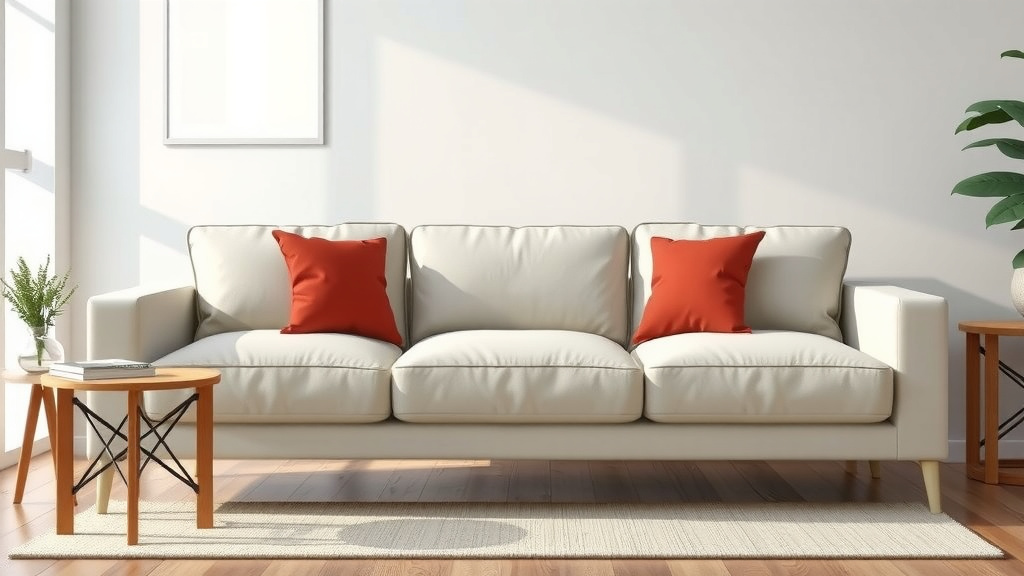
3 Seater Sofa Length: How Many Inches You Need
A standard 3-seater sofa typically measures between 70 to 90 inches wide. This can vary a bit depending on the style and manufacturer, but it’s a good range to keep in mind for your space. You’re looking for something that comfortably seats three people without feeling cramped or taking over your whole room.
Finding the right size sofa is key for a cozy and functional living area. You want it to fit your room’s dimensions while offering enough seating. We’ve found that many people underestimate the importance of sofa length, leading to awkward layouts. Knowing the average width of a 3-seater helps you avoid common furniture buying mistakes.
- A 3-seater sofa usually spans 70-90 inches wide.
- Styles like sectionals or sofas with wide arms can be longer.
- Measure your space carefully before buying.
- Consider traffic flow around the sofa.
Let’s break down the typical measurements and what you should consider to find the perfect 3-seater sofa for your home.
Understanding 3-Seater Sofa Dimensions
So, you’re wondering about the typical size of a 3-seater sofa. That’s a smart question to ask! Getting the dimensions right is a big part of making your living space comfortable and functional. We’ve found that most 3-seater sofas fall into a pretty consistent size range.
On average, you can expect a 3-seater sofa to measure between 70 and 90 inches wide. This is the key measurement for seating capacity. It gives enough room for three average-sized adults to sit without feeling too crowded. Think of it as the happy medium for seating and space-saving.
What Affects Sofa Size?
While the 70-90 inch range is common, not all 3-seaters are created equal. Several factors can influence the actual size of the sofa you’re looking at.
Style and Design Variations
The design of a sofa plays a huge role in its dimensions. A sleek, minimalist sofa might be on the shorter end of the spectrum. In contrast, a more plush, overstuffed sofa might be longer. Deep seating styles also tend to have a larger footprint. This is because they offer more room to sink in and relax. We found that styles with rolled arms often add a few extra inches compared to those with slim, track arms. It’s like comparing a slim phone case to a rugged, all-weather one – the protection adds bulk!
Arm Style and Width
Let’s talk about those arms! They might seem like a small detail, but they can add a surprising amount of width to a sofa. Think of wide, padded arms versus narrow, track arms. Those wider styles can easily add 5-10 inches to the overall length. So, a sofa that looks similar in seating space might be quite different in its total width because of the arm design. You’re not just buying seating; you’re buying the whole package!
Cushion Count and Depth
The number and style of cushions can also impact perceived and actual size. A sofa with three separate seat cushions and three back cushions might look more substantial. It can also be slightly wider than one with a single long cushion. Seat depth is another factor. A sofa with deeper seats will feel more generous, even if the external width is the same. We often see deeper sofas taking up more visual space in a room.
Measuring Your Space: A Must-Do Step
Before you fall in love with a sofa online or in a showroom, you absolutely must measure your space. This is the most critical step. It prevents the heartache of a sofa that’s too big or, worse, too small.
Where to Measure
Start with the wall where you plan to place the sofa. Measure the available length. Also, consider the depth. How far out from the wall can the sofa extend without blocking walkways or making the room feel cramped? Think about existing furniture, like coffee tables or end tables, and how they will relate to the new sofa’s dimensions. Many interior design experts recommend leaving at least 18-24 inches for comfortable walking space around furniture (HGTV). Our guide to sofa depth explains how this measurement affects your room’s layout and comfort.
Don’t Forget Doorways and Hallways!
This is a classic mistake many people make. You find the perfect sofa, but it won’t fit through your front door or up the stairs! Measure the width of your doorways, hallways, and any stairwells. This ensures your beautiful new sofa actually makes it into your living room. It’s like making sure you have a present that can actually be unwrapped.
Beyond Width: Other Key Dimensions
While width is usually the primary concern for seating capacity, don’t overlook other measurements. These affect how the sofa looks and feels in your room.
Seat Depth and Height
Seat depth refers to how far back the seat goes. A deeper seat (around 20-24 inches) offers a more relaxed, lounging feel. A shallower seat (17-20 inches) can make a room feel more open. Seat height is also important for comfort. Most sofas have a seat height of 17-19 inches from the floor. This measurement helps you ensure your feet can comfortably touch the ground when seated. Learn more about seat depth and how it impacts comfort in our easy guide.
Back Height and Arm Height
The height of the sofa back affects its visual presence. A high back can make a statement and provide more support. A lower profile back can create a more modern, airy feel. Arm height is also a comfort factor. You want arms that are at a comfortable height for resting your arms or even lounging.
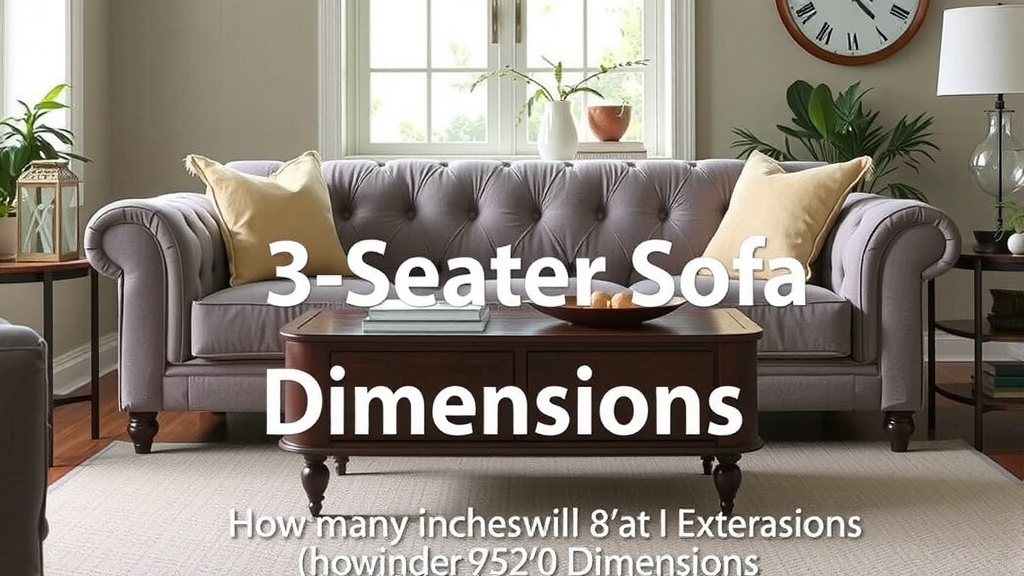
Understanding Sofa Styles and Their Sizes
Different sofa styles naturally come in different sizes. Knowing these distinctions can help you narrow down your search.
Standard 3-Seater Sofa
This is your classic, no-frills sofa. It’s designed primarily for seating three people comfortably. As we’ve discussed, the width typically ranges from 70 to 90 inches. It’s a versatile option that fits well in many living room layouts.
Loveseats vs. 3-Seaters
It’s easy to get confused between a loveseat and a 3-seater. A loveseat is generally smaller, designed for two people, and usually measures between 50 to 70 inches wide. A 3-seater sofa, as we know, is designed for three and is noticeably longer.
Sectionals and Sofas with Extra Features
Sectionals, even if they have a “3-cushion” configuration, can be much larger due to their L or U shapes. They often exceed 90 inches and can be several feet long on each side. Sofas with built-in recliners or extensive built-out frames will also be wider and deeper than standard models. We found that recliners, in particular, add a significant amount of depth when extended.
Making Your Choice: A Quick Checklist
To help you find the perfect fit, keep these quick points in mind:
- Measure your room’s designated sofa space.
- Measure all doorways and hallways for delivery.
- Consider the style of sofa and how it impacts size.
- Think about seat depth and back height for comfort and aesthetics.
- Picture how the sofa will fit with your existing furniture.
- Don’t forget to account for traffic flow around the sofa.
Conclusion
You now have a clear understanding of what to expect when searching for a 3-seater sofa. Remember, the typical width ranges from 70 to 90 inches, but styles, arm designs, and cushion types can change that. The most important step you can take is to measure your space thoroughly. Don’t forget to check doorways and hallways for delivery! By considering these factors and your room’s layout, you’ll be well on your way to finding a sofa that’s both stylish and perfectly fits your needs.
Frequently Asked Questions
What’s the average depth of a 3-seater sofa?
While width is often the main focus, sofa depth is also important for comfort and space. The average seat depth for a 3-seater sofa typically ranges from 20 to 24 inches. This measurement refers to the actual seating area, not including the back cushions or the overall frame.
Will a 3-seater sofa fit in a small apartment?
Yes, a 3-seater sofa can definitely fit in a small apartment, especially if you choose a more compact model within the 70-inch width range. It’s important to measure your available space carefully. Consider a sofa with slimmer arms and a less bulky frame to maximize seating without overwhelming the room.
Are sofa dimensions standardized across all brands?
While there’s a common range for 3-seater sofas (70-90 inches wide), dimensions are not entirely standardized. Different brands and styles will have variations. Always check the specific product dimensions provided by the manufacturer before making a purchase.
How much space do I need around a 3-seater sofa?
For comfortable traffic flow, aim to leave at least 18 to 24 inches of clear space around your sofa. This allows people to walk past easily without feeling cramped. Consider the space needed for a coffee table or any other surrounding furniture as well.
Can a “3-cushion” sofa be a different size than a 3-seater?
Yes, the term “3-cushion” can sometimes be misleading. While a standard 3-seater sofa typically has three seat cushions and fits the 70-90 inch width, some sectionals or larger sofas might be described by their cushion count. These can be significantly larger than a traditional 3-seater.
![10 Best Camping Sofa [2026]](https://hometopaccesories.com/wp-content/uploads/2026/08/10-best-camping-sofa-2026-featured-768x432.jpg)
![10 Best Brand Of Chesterfield Sofa [2026]](https://hometopaccesories.com/wp-content/uploads/2026/08/10-best-brand-of-chesterfield-sofa-2026-featured-768x432.jpg)
![10 Best Angle For Sofa Back [2026]](https://hometopaccesories.com/wp-content/uploads/2026/08/10-best-angle-for-sofa-back-2026-featured-768x432.jpg)