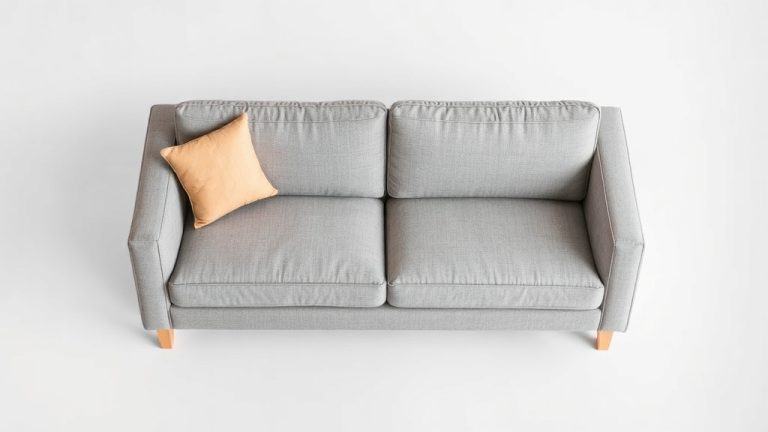
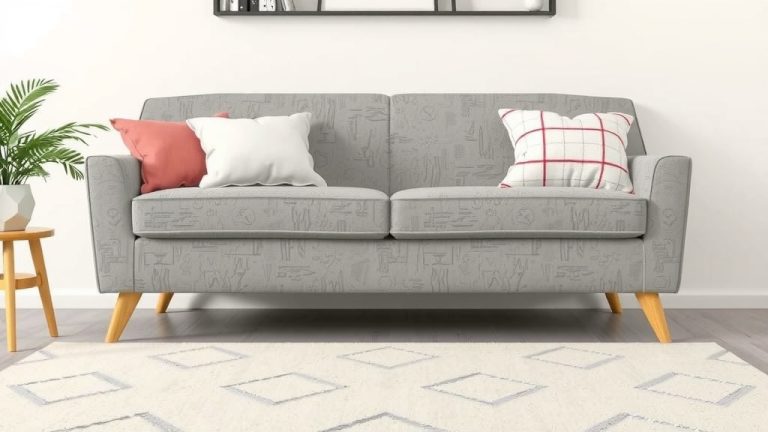
How to Arrange 3 Sofas in Your Living Room Layout
Arranging three sofas in your living room is totally doable and can create a wonderfully inviting space. The key is to create conversation zones and ensure easy traffic flow. Think about placing them to form a large U-shape or an L-shape, leaving a central open area for a coffee table or rug. You want your guests to feel comfortable and able to chat without shouting.
When you’re working with multiple sofas, you’re essentially designing a seating destination. It’s not just about fitting them in; it’s about making them work together to serve your lifestyle. This setup can be perfect for larger rooms or open-plan living areas that need definition. It’s about making your living room feel both spacious and cozy.
- Consider room size and shape first.
- Create distinct conversation areas.
- Ensure clear pathways for walking.
- Balance sofa placement with other furniture.
- Don’t forget lighting and decor.
Let’s walk through some smart ways to arrange your three sofas to make your living room the best it can be.
So, you’ve got three sofas and a vision for a super comfy living room. It sounds like a lot, but we’re here to help you make it work beautifully. Arranging multiple large pieces like sofas requires a bit of planning. You want to create a welcoming space where people can relax and connect. Let’s dive into some practical ideas to get your living room just right. If you’re working with a smaller living room, consider these best apartment size sofas.
Structuring Your Living Space with Multiple Sofas
Figuring out how to place three sofas might seem daunting. Think of it like setting up a stage for great conversations. The goal is to make your room feel intentional and functional.
Understanding Your Room’s Layout
Before you push any furniture, measure your space. Note down the dimensions of your room. Sketching a quick floor plan on paper can be super helpful. Identify where doors and windows are located. Also, consider any architectural features like fireplaces or built-in shelving. This information will guide your placement decisions. It helps you avoid blocking pathways or making the room feel cramped.
Creating Conversation Zones
With three sofas, you have a fantastic opportunity to create distinct areas. Imagine a cozy nook for reading and a larger setup for entertaining. Each sofa can anchor a different zone. This works especially well in larger or open-plan rooms. It helps define different functional areas without walls.
The U-Shape Arrangement
A popular setup is the U-shape. You place two sofas facing each other. The third sofa then sits at one end, completing the “U.” This naturally forms a central conversation area. A coffee table often sits in the middle. This arrangement encourages interaction. It’s like a living room hug, wrapping people in comfort. Ensure there’s enough space between the sofas for easy movement. We found that at least 4 feet is ideal for comfortable passage (National Association of Home Builders).
The L-Shape Arrangement
Another effective layout is the L-shape. You position two sofas at a right angle to each other. The third sofa can then be placed opposite the corner of the “L.” This can create two distinct seating groups. Or, you can place it further down the room to extend the seating. This often works well when you have a focal point, like a TV or fireplace, that you want to orient towards. It offers a slightly more open feel than a tight U-shape.
The Parallel Arrangement
For longer rooms, you might consider a parallel layout. Place two sofas facing each other along the long walls. The third sofa can then be placed at one end. This can create a very formal or a very relaxed feel, depending on the accessories. It’s a good way to maximize seating in a rectangular space. However, make sure the room is wide enough so it doesn’t feel like a bowling alley. You need space for side tables and lamps between the sofas.
Flow and Functionality are Key
Once you have a general shape in mind, think about how you’ll move through the room. Good traffic flow is essential. You don’t want guests to feel like they’re navigating an obstacle course. People should be able to get to seats, windows, and doors without squeezing past furniture.
Maintaining Clear Pathways
Imagine walking into your living room. Where would you naturally go? Ensure these paths are clear. Aim for at least 3 feet of width for main walkways. This is a guideline many interior designers follow. It prevents stubbed toes and awkward shuffling. Even in a cozy setup, everyone needs a little breathing room. Consider the placement of coffee tables and ottomans. They should be accessible but not in the way.
Balancing Sofas with Other Furniture
Sofas are the stars, but they need supporting actors. You’ll need coffee tables, end tables, and possibly accent chairs. Ensure these pieces fit the scale of your room and your sofas. A tiny coffee table can look lost in front of a large sectional. Conversely, oversized tables can overwhelm smaller sofas. Distribute end tables evenly. This provides surfaces for drinks and lamps. It also helps balance the visual weight of the sofas.
The Central Hub: Coffee Table or Rug
The area between your sofas is prime real estate. A well-chosen coffee table can be the anchor for your conversation zone. It should be proportionate to the seating. A good rule of thumb is for the coffee table to be about two-thirds the length of the sofa it’s in front of. If you have a large central space, a large area rug can define the entire seating arrangement. Rugs add warmth and texture. They also help to visually pull the seating together.
Practical Tips for Your Three-Sofa Setup
Let’s get down to some actionable steps. These tips will help you fine-tune your arrangement.
Consider Scale and Proportion
Are your sofas all the same size? Or do you have a mix? If you have a large sectional, it might take center stage. Smaller sofas can then be arranged around it. Think about the overall “feel” you want. Do you want a grand, expansive feel or a more intimate setting? Match the scale of your furniture to your room’s size. Don’t overcrowd a small room with three massive sofas.
Lighting Matters
Good lighting can make or break a space. Layer your lighting for different moods. You’ll want overhead lighting for general illumination. Task lighting, like floor lamps or table lamps, is great for reading. Accent lighting can highlight artwork or architectural features. Ensure each seating area has access to adequate light. This makes the space more functional and inviting, especially in the evenings.
Don’t Forget the Details
Once the main furniture is in place, add your personal touches. Throw pillows and blankets add comfort and color. Artwork and plants bring life to the room. Consider decorative baskets for storage. Little things can make a big difference. They help tie the whole arrangement together. They make the space feel lived-in and stylish.
A Quick Checklist for Arrangement Success
- Measure your room carefully.
- Sketch out potential layouts.
- Identify key traffic flow paths.
- Ensure sofas face a common area.
- Balance seating with tables and lamps.
- Add decorative elements for comfort.
Arranging three sofas is a fantastic way to create a luxurious and functional living room. By considering your room’s dimensions, traffic flow, and desired atmosphere, you can design a space that’s perfect for relaxing and entertaining. It’s all about making smart choices that work for your lifestyle.
Conclusion
You’ve learned that arranging three sofas can transform your living room into a hub for connection. Remember to prioritize room dimensions and create distinct conversation zones. Always keep traffic flow in mind so everyone can move easily. By balancing your sofas with the right tables and lighting, you make the space functional and stylish. Now, take a moment to sketch out your room and start planning your perfect three-sofa layout. Your inviting living space awaits!
Frequently Asked Questions
Can three sofas make a small living room feel too crowded?
Yes, three sofas can feel crowded in a very small living room. It’s important to consider the scale and proportion of your furniture to your room size. If your room is compact, opt for smaller-profile sofas and ensure ample space for walkways.
What’s the best way to orient three sofas if I also have a TV?
If a TV is your focal point, consider an L-shape arrangement with two sofas facing each other at a right angle. The third sofa can then be placed opposite the corner, angled towards the TV. This ensures good viewing angles from most seats without feeling too closed off.
How far apart should sofas be when arranged for conversation?
To encourage conversation and easy movement, aim for at least 4 to 5 feet between seating pieces. This distance allows people to talk comfortably and walk through the space without feeling cramped. It also makes room for coffee tables or accent pieces.
Should all three sofas be the same style or color?
Not necessarily! While matching sofas create a cohesive look, mixing styles or colors can add personality. Try pairing two similar sofas with a complementary accent sofa. Ensure they share a common thread, like color family or material, to avoid a mismatched feel.
How can I make a three-sofa arrangement feel less like a waiting room?
Inject personality with decor! Use a large, inviting area rug to anchor the space and tie the sofas together. Add throw pillows, blankets, lamps, and artwork. Plants also bring life and warmth. These elements make the arrangement feel cozy and lived-in, rather than formal.