Arrange Your 7 Seater Sofa for Optimal Comfort
Arranging a 7-seater sofa can be tricky, but the best way to approach it is to prioritize flow and functionality. You’ll want to create distinct zones for conversation and traffic. Think about how your family uses the space before you start moving furniture. A well-arranged sectional makes your living room feel larger and more inviting.
Large sectionals can sometimes overwhelm a room. That’s why we found that strategic placement is key. It’s not just about fitting the pieces; it’s about making the room work for you. Consider the natural light and architectural features of your space too. This helps avoid common layout mistakes.
- Measure your space first.
- Identify your main traffic paths.
- Create conversation zones.
- Consider furniture scale.
- Don’t push everything against the walls.
Ready to transform your living room? Let’s walk through how to arrange your 7-seater sofa step by step, ensuring it looks great and works perfectly for your needs.
Arranging Your Large Sectional Sofa
Placing a 7-seater sofa is like orchestrating a furniture symphony. Your goal is a harmonious living room. We want it to feel inviting and functional. Think about how you and your family will actually use the space. Will you be hosting movie nights? Entertaining guests? Or just curling up with a good book? Understanding your lifestyle is your first key move.
Understanding Your Space: The Foundation
Before you even think about pushing cushions, you need to get to know your room. How big is it, really? What are its fixed features? Understanding these elements will prevent layout headaches later. It’s all about creating a layout that works, not just fits.
Measure Twice, Place Once
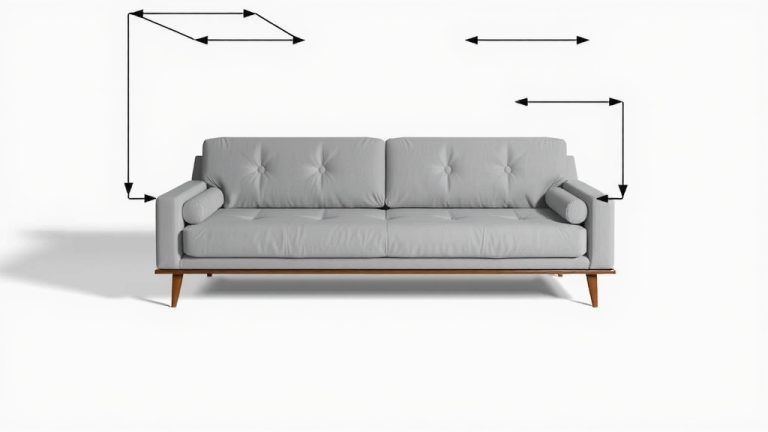
This old adage is your mantra. Grab a tape measure and get precise. Measure the length and width of your entire living room. Also, measure the dimensions of each piece of your 7-seater sectional. This includes all the individual components like the corner pieces, chaise lounges, and armless chairs. Knowing these numbers prevents awkward surprises. You don’t want to discover your sofa is too big after you’ve wrestled it into place. Many interior designers swear by this simple, yet often skipped, step.
Mapping Traffic Flow
Think of your living room as a mini-city. Where do people need to walk? You’ll want clear paths. These pathways should lead to doorways, windows, and other essential areas. Avoid blocking these routes with your sofa. A blocked pathway makes a room feel cramped and frustrating. We found that ensuring at least 3 feet of clearance for main walkways is a good rule of thumb. This allows for comfortable movement. Imagine carrying a tray of snacks; you don’t want to do a tightrope walk.
Identifying Architectural Features
Does your room have a fireplace? A stunning bay window? Built-in bookshelves? These are your room’s natural focal points. Your 7-seater sofa arrangement should complement, not compete with, these features. Placing the sofa so it faces or accentuates these elements can create a natural gathering spot. For instance, a fireplace often serves as a cozy anchor for seating. Experts often suggest orienting your main seating towards the most appealing architectural element.
Designing Conversation Zones
A large sectional is perfect for bringing people together. Your arrangement should encourage conversation. This means arranging the pieces so people can see and talk to each other easily. It’s not just about one big sofa; it’s about creating an intimate setting within a larger space.
The “L” or “U” Shape Advantage
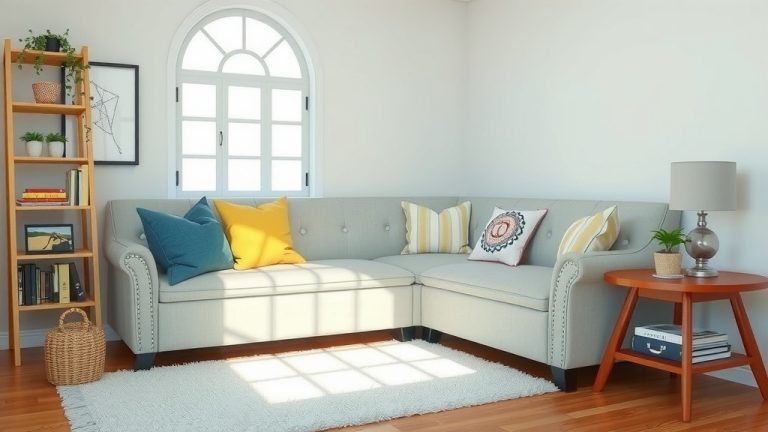
Most 7-seater sofas are sectional, often forming an “L” or “U” shape. These shapes are inherently good for conversation. An “L” shape is great for defining a corner of a room. It can also float in the middle of a larger space. A “U” shape often creates a more enclosed, cozy feel. It’s like building a little nest for your family and guests. We found that for larger rooms, a “U” shape can help fill the space more effectively.
Creating a Cozy Cluster
Even with a large sectional, avoid spreading the pieces too far apart. Try to keep the seating components relatively close. This encourages easier conversation. Think of it as bringing the edges of the sofa closer together. Adding accent chairs can help complete the circle. This creates a more unified seating area. Don’t forget to consider where you’ll place coffee tables and side tables. These pieces should be within easy reach of everyone seated.
Considering Furniture Scale and Balance
A 7-seater sofa is a substantial piece of furniture. It’s crucial that it looks balanced within your room. This means considering its size relative to other items and the room itself.
Balancing the Big Piece
A large sofa can easily dominate a room. To balance it, consider adding other substantial elements. This could be a large area rug, a significant piece of artwork, or a substantial bookcase. These items help to visually anchor the sofa and prevent it from looking like it’s taking over. Many designers suggest using an area rug that is large enough for the front legs of the sofa and accent chairs to rest on it. This ties the whole arrangement together.
The Power of Negative Space
Don’t feel pressured to fill every inch of your room. Empty space, or “negative space,” is important. It allows the room to breathe. It also helps to highlight your furniture. A common mistake is pushing all furniture against the walls. For a sectional, pulling it away from the walls even a few inches can make a big difference. It can create a more sophisticated and intentional look. We found that leaving some space around the sectional helps define its shape and makes the room feel less cluttered.
Incorporating Other Furniture and Decor
Your 7-seater sofa is the star, but it needs supporting actors. Think about how other pieces will integrate.
Coffee Tables and Side Tables
These aren’t just placeholders; they’re functional pieces. Your coffee table should be an accessible distance from the sofa. Aim for about 14-18 inches. This allows people to easily place drinks or books. Side tables are perfect for lamps and smaller items. Ensure they are roughly the same height as the sofa arms for ease of use. These elements help complete your conversation zone.
Lighting and Accessories
Good lighting is essential. Consider a mix of ambient, task, and accent lighting. Floor lamps and table lamps can provide both light and style. Place them strategically near the sofa. Don’t forget decorative items like throw pillows and blankets. These add comfort and personality. They also help to break up the large expanse of fabric on your sofa.
Common Arrangement Pitfalls to Avoid
Even with the best intentions, some layout mistakes are easy to make. Being aware of them can save you a lot of frustration.
Blocking Fireplaces or Windows
As mentioned, don’t let your sofa obscure a beautiful fireplace or a valuable window view. If your sectional is large, you might need to angle a piece or use a smaller configuration to allow access and sightlines. Sometimes, simply placing the chaise part of a sectional along a wall is enough to avoid blocking a key feature.
Forgetting About Electronics
Where will your TV go? Think about the viewing angles from your main seating positions. You don’t want to crane your neck. Also, consider where outlets are for lamps and other electronics. Hiding cords can make a big difference to the overall look. Researching cable management solutions can be very helpful here (Good Housekeeping).
The “All Against the Wall” Trap
We’ve touched on this, but it’s worth repeating. Pushing your entire sectional against the walls can make a room feel rigid and cramped. Even pulling the sofa out just a few inches can create a more dynamic and spacious feel. This is especially true in larger rooms where the sofa can act as a room divider.
Checklist for Your Perfect Layout
- Measure everything carefully: room dimensions, sofa components.
- Map out traffic paths to ensure easy movement.
- Identify focal points like fireplaces or windows.
- Arrange seating for conversation, keeping pieces close.
- Balance the sofa’s scale with rugs and decor.
- Pull furniture away from walls for better flow.
Conclusion
You’ve learned how to arrange your 7-seater sofa to create a living room that feels both spacious and welcoming. Remember to prioritize flow and conversation. Measuring your space and understanding traffic paths are foundational steps. By balancing your large sofa with other decor and pulling it away from the walls, you can create a more dynamic and inviting area. Now, take a deep breath, grab your measuring tape, and start arranging. You’re on your way to a perfectly functional and stylish living space!
Frequently Asked Questions
What’s the best way to arrange a 7-seater sofa in a small living room?
In a smaller space, float the sofa away from the walls if possible, even just a few inches. Consider an “L” shape that tucks into a corner to maximize floor space. Ensure you maintain clear pathways so the room doesn’t feel blocked.
How close should my coffee table be to a 7-seater sectional?
Aim for about 14 to 18 inches between your coffee table and the sofa. This distance is perfect for easily reaching items without feeling too cramped. You should be able to place drinks or books comfortably.
Can I use a 7-seater sofa to divide a large open-concept room?
Absolutely. A large sectional is excellent for defining zones in an open layout. Position it to create a distinct living area, using its back to subtly separate the seating space from other areas like a dining room.
What if my 7-seater sofa doesn’t fit perfectly against the wall?
Don’t force it. Pulling the sofa out from the wall, even slightly, often improves the room’s aesthetic. This creates visual breathing room and can make the arrangement feel more intentional and less rigid.
Should I always place my 7-seater sofa facing the TV?
Not necessarily. While TV viewing is important, balance it with conversation. If possible, arrange your sofa so it also faces a focal point like a fireplace or window. You can add swivel chairs or ottomans for flexible TV viewing angles.