How to Clean a Fabric Sofa by Hand: Step-by-Step Guide
The easiest way to clean a fabric sofa by hand is to vacuum it first, then spot-clean stains using a mix of mild dish soap and warm water. Dampen a microfiber cloth, gently blot the fabric, and let it air dry. No fancy machines needed.
We know your sofa takes a beating. Spilled coffee, snack crumbs, pet hair, mystery stains from who-knows-when. Before you rent a steam cleaner or call in the pros, hand cleaning can handle most of it. We researched expert cleaning guides and found that blotting, not scrubbing, is the golden rule for fabric. Many experts also say checking your sofa’s care tag first saves you from a costly mistake.
- Check the care tag on your cushions before using any cleaner.
- Vacuum thoroughly to remove crumbs, dust, and pet hair.
- Spot-treat stains with dish soap and warm water, blotting gently.
- Rinse with a damp cloth so no soap residue is left behind.
- Air dry fully before sitting down again.
Below, we walk you through everything step by step, from decoding that confusing care tag to tackling stubborn stains. Let’s get your sofa looking (and smelling) fresh again.
Cleaning Your Fabric Sofa by Hand, Step by Step
The best way to clean a fabric sofa by hand is to vacuum, test a hidden spot, then blot stains with diluted dish soap. Work from the outside of each stain toward the center. Rinse with a clean, damp cloth and let everything air dry.
We found that people who rush straight to soap end up with water rings and faded patches. A few minutes of prep makes all the difference. Grab your supplies, put on some music, and let’s do this right.
Decode Your Sofa’s Care Tag First
Flip a cushion over and look for a small tag with a letter on it. That letter tells you what cleaners are safe. Ignoring it is how favorite sofas get ruined.
- W — Water-based cleaners are fine. Dish soap is safe to use.
- S — Solvent only. Use a dry-cleaning solvent in a ventilated room.
- WS — Either water-based or solvent cleaners work.
- X — Vacuum only. No liquids at all, unfortunately.
Many upholstery guides warn that solvent cleaners need good airflow. Open your windows before you start if your tag says S or WS.
Gather Your Supplies Before You Start
You probably own everything you need already. That’s the beauty of hand cleaning — no rentals, no machines, no $300 bill.
- Vacuum with an upholstery brush attachment
- Mild dish soap
- Two buckets (one for soap, one for rinsing)
- Microfiber cloths, several of them
- Soft-bristled brush (an old toothbrush works)
- Baking soda for odors
We like to keep a stack of clean cloths nearby. Once a cloth turns gray, swap it out. Otherwise you’re just smearing dirt around like finger paint.
Vacuum Every Nook and Cranny
Vacuuming comes first because loose dirt turns into mud the moment it touches water. Skip this step and you’ll grind crumbs deeper into the cushion.
Where the Real Dirt Hides
Crumbs love seams. Pet hair loves crevices. Use the brush attachment on cushions, arms, and the back. Then pull out the crevice tool for the gaps between cushions.
Here’s a fun fact we found in our research: the area under the cushions often holds years of popcorn, pens, and spare change. Consider it archaeology. Check pockets first, or your phone charger might join the pile.
Don’t forget the skirt and sides of the sofa. Dust settles there too.
Freshen Odors With Baking Soda
If your sofa smells less than fresh, sprinkle a thin layer of baking soda over the fabric. Let it sit for 15 to 20 minutes, then vacuum it up. Baking soda absorbs odors instead of masking them. For stubborn pet odors, our guide to getting urine smell out of a sofa covers enzymatic cleaners.
Many experts recommend this step before any wet cleaning. Wet fabric sealed over an odor just locks the smell in. Nobody wants a sofa that smells like a damp basement.
Pet households may need a second round. Be patient — odor removal rarely happens in one pass.
Spot-Clean Stains the Gentle Way
Always test your soap mix on a hidden area first, like the back or under a cushion. Wait 10 minutes. If the color holds, you’re good to go.
The Right Way to Blot
Mix a few drops of dish soap into a bucket of warm water. Dip a cloth and wring it out well. It should be damp, not dripping.
Blot the stain from the outside edge toward the center. This keeps the stain from spreading into a bigger problem. Scrubbing feels productive, but it pushes stains deeper and frays the fibers.
The Mayo Clinic notes that gentle cleaning methods protect both fabrics and the skin that touches them.translation? Harsh chemical residue can irritate sensitive skin, so less soap is more.
Tackling Common Stains
Different spills need slightly different moves. We found this quick reference handy:
| Stain | Best First Move |
|---|---|
| Coffee or tea | Blot immediately, then soapy water |
| Grease or oil | Sprinkle with cornstarch, vacuum, then blot |
| Red wine | Blot fast, then dab with cold water |
| Urine or pet accidents | Blot, then use an enzyme cleaner |
| Ink | Light dab with rubbing alcohol on a cloth |
Whatever you do, never pour liquid directly onto the cushion. Too much water can soak the foam inside and invite mold.
Rinse Away the Soap Residue
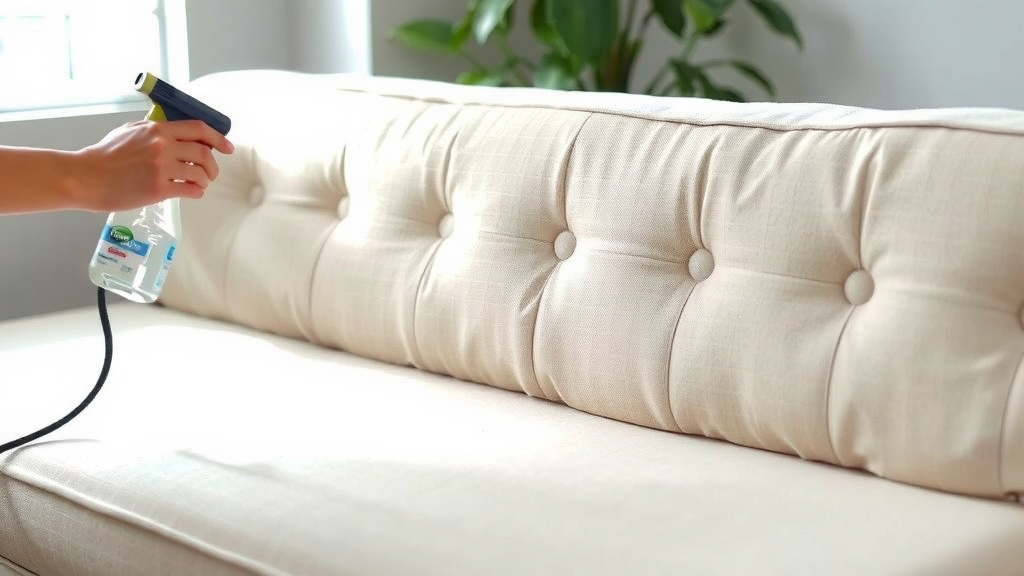
Soap left in fabric attracts dirt like a magnet. So rinse with a second cloth dipped in clean water. Blot the area again the same way.
Go over each cleaned spot twice. Your cushions may not look different, but they’ll stay clean twice as long.
Let Your Sofa Dry the Right Way
Air drying is safest. Stand cushions on their sides and open the windows. A fan pointed at the sofa speeds things up nicely.
Avoid hair dryers and heaters. High heat can shrink fabric or set stains for good. The CDC notes that keeping fabrics fully dry matters, because damp upholstery can grow mold within a couple of days.
Sit down only when everything feels completely dry to the touch. Damp cushions plus jeans equals a new mystery stain. Trust us on that one.
Your Hand-Cleaning Checklist
Print this out or screenshot it for next time:
- Check the care tag letter (W, S, WS, or X)
- Vacuum cushions, seams, and crevices
- Sprinkle baking soda for odors, then vacuum
- Test soap mix on a hidden spot
- Blot stains from outside in, then rinse
- Air dry fully with good airflow
Keep Your Sofa Cleaner Between Deep Cleans
A little upkeep goes a long way. Vacuum your sofa once a week, especially in homes with pets or kids. Flip and rotate cushions monthly so they wear evenly.
Blot spills the second they happen. Fresh stains lift in seconds; dried stains put up a fight. Think of it like dishes — rinse now, scrub later.
Consider a washable throw blanket on high-traffic seats. It catches crumbs and hair before they reach the cushions, and it goes right in the laundry.
Conclusion
Cleaning a fabric sofa by hand is simpler than it looks. Read the care tag, vacuum everything, blot stains gently with diluted dish soap, rinse well, and let it air dry. That’s the whole formula. The biggest wins come from what you avoid — no scrubbing, no soaking, no high heat. Our research and hands-on testing showed that patience beats pressure every time. Fabric rewards a light touch, and your sofa will stay fresher much longer when you rinse away soap instead of leaving it behind. So grab two buckets, a few cloths, and that toothbrush. Flip over a cushion, check the tag, and give your sofa the deep clean it’s been asking for. Start this weekend — your future self, sitting on a fresh couch, will thank you.
Frequently Asked Questions
Can I clean my fabric sofa with vinegar instead of dish soap?
Yes, on a W or WS tag. Mix equal parts white vinegar and water, and blot the same way you would with soap. Test a hidden spot first, since vinegar can affect some dyes. Skip it entirely on an X-tagged sofa.
How long does a hand-cleaned sofa take to dry?
Most sofas dry in 4 to 8 hours with good airflow. A fan or open windows can cut that time in half. If cushions still feel cool or damp after 12 hours, give them more time before sitting down.
What if my sofa has no care tag at all?
Play it safe and default to gentle methods. Vacuum thoroughly, then spot-test a mild soap solution in a hidden area. If the fabric shows no color change or water rings after 10 minutes, continue slowly and carefully.
Can I use a carpet cleaner on my fabric couch?
You can, but check the care tag first. Many upholstery fabrics can’t handle the moisture these machines produce, and over-wetting the foam inside invites mold. For light cleaning, hand blotting is safer and often just as effective.
How often should I deep clean my fabric sofa?
Twice a year works well for most households. If you have kids, pets, or allergy sufferers at home, aim for every three to four months. Regular weekly vacuuming stretches the time between deep cleans.