How to Clean a Fabric Sofa with Baking Soda: Easy Steps
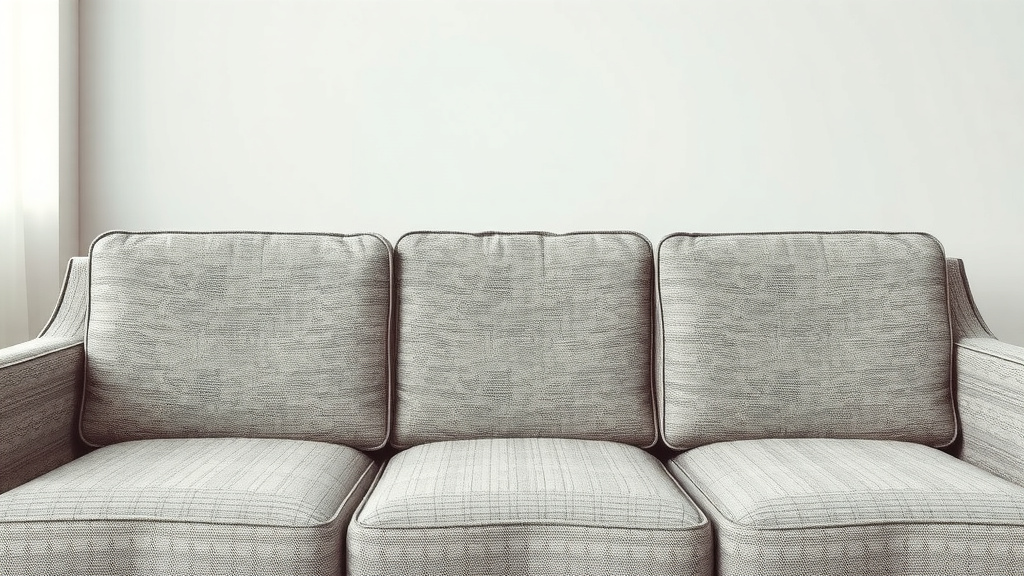
The easiest way to clean a fabric sofa with baking soda is to sprinkle it generously over the cushions, let it sit for at least 15 minutes, then vacuum it up thoroughly. Baking soda absorbs odors and lifts light grime, so your couch looks and smells fresher without harsh chemicals.
And the best part? You probably already have a box sitting in your kitchen cabinet. Many experts say baking soda is one of the safest and cheapest ways to freshen upholstery, especially if you have kids or pets tracking mystery smells onto the cushions. We researched the most trusted methods and found that a few simple steps make all the difference.
Here’s the quick version before we get into the details:
- Vacuum first to remove crumbs, dust, and pet hair.
- Sprinkle baking soda evenly across the fabric and cushions.
- Let it sit for 15 minutes to a few hours for tougher odors.
- Vacuum it all up slowly so nothing is left behind.
- Spot clean stains separately with a baking soda paste if needed.
Below, we break down everything you need to know about cleaning your fabric sofa with baking soda, step by step. Grab that box from the pantry, and let’s get your couch smelling fresh again.
Freshening Your Fabric Sofa With Baking Soda
Baking soda works on your fabric sofa because it’s a natural odor absorber. It pulls smells out of the fibers instead of just covering them up with perfume. That’s why so many cleaning guides recommend it as a first step for upholstery refreshes.
Think of it like a sponge for smells. Sprinkle it on, give it time, and it soaks up the funk. Then your vacuum carries it all away.
What You’ll Need Before You Start
Good news: this is one of the cheapest cleaning projects you’ll ever tackle. Most of this stuff is already in your home.
- A full box of baking soda (not baking powder — they’re different).
- A vacuum with an upholstery attachment or brush head.
- A fine-mesh sieve or small sifter for even sprinkling.
- A soft-bristle brush for working the powder into fabric.
- A mixing bowl and spoon if you plan to tackle stains too.
- A microfiber cloth for spot cleaning.
Check Your Sofa’s Care Tag First
Flip those cushions and look underneath. You’ll see a letter code that tells you what cleaning products are safe. Our guide to sofa cushion cleaning codes explains what each letter means.
| Tag Code | What It Means | Is Baking Soda Safe? |
|---|---|---|
| W | Water-based cleaners okay | Yes, fully safe |
| WS | Water or solvent cleaners okay | Yes, fully safe |
| S | Solvent cleaners only | Dry baking soda is fine; skip paste |
| X | Vacuum only | Dry only, no liquids at all |
When in doubt, test a hidden spot first. Dab a little damp paste behind a leg or under a cushion and let it dry. If the fabric looks normal, you’re good to go.
Step-by-Step: Cleaning Your Couch With Baking Soda
We found that breaking this into small steps keeps it simple. Follow along and your sofa will be fresh in under an hour (plus a little waiting time).
Step 1: Vacuum Every Surface
Start by removing cushions if they come off. Vacuum the seat, arms, back, and the floor under the couch. Crumbs and pet hair hide everywhere.
Why bother? Because baking soda works best when it touches the actual fabric, not a layer of chip crumbs. Many manufacturers recommend vacuuming upholstery weekly, and it’s even more important before a deep freshen-up.
Step 2: Sprinkle the Baking Soda Evenly
Don’t just dump the box and hope for the best. Use a sifter or your hands to spread a thin, even layer. Less is more here.
You want the fabric dusted, not buried. A light coating covers more area and vacuums up faster.
Step 3: Work It Into the Fibers
Use a soft brush to gently work the powder into the fabric. This helps it reach the smells hiding deeper down. Light circles, gentle pressure — you’re massaging the couch, not scrubbing a floor.
Step 4: Let It Sit
Fifteen minutes handles a light refresh. For strong odors like pet smells or smoke, let it sit for several hours or even overnight. Baking soda needs time to absorb.
Overnight is our favorite trick. Sprinkle before bed, vacuum in the morning, done. Just keep pets and kids off the sofa while it works.
Step 5: Vacuum Thoroughly
Go slow. Move in overlapping passes until no white powder remains. Check creases and seams where powder loves to hide.
Empty your vacuum canister or bag afterward if you used a lot of powder. It fills up faster than you’d expect.
Removing Stains With a Baking Soda Paste
Sprinkling handles odors, but stains need a paste. Mix two parts baking soda with one part water until it looks like frosting. Dab it on the stain with a cloth.
Let it sit for 15 to 30 minutes, then blot with a damp cloth. Blot, don’t rub — rubbing pushes the stain deeper and can fuzz up the fabric. Many fabric care guides, including advice from university extension programs, say blotting from the outside in is the safest method.
Treating Common Spills
Different messes need slightly different moves. Here’s a quick cheat sheet.
- Coffee or soda: Blot the spill first, then apply paste and let dry before vacuuming.
- Pet accidents: Blot well, apply paste, and consider a follow-up with an enzyme cleaner for lingering odors.
- Grease: Dust dry baking soda on the spot to absorb oil before adding any moisture.
- Food stains: Scrape off solids gently, then use the paste method.
If a stain is still there after two tries, it may need a fabric-safe upholstery cleaner. Baking soda is great, but it’s not magic. For heavier grime, our guide to how to clean a dirty fabric sofa covers stronger home methods.
Boosting Odor Removal for Stubborn Smells
Got a smell that laughs at plain baking soda? We found a couple of safe add-ons.
- Add a few drops of essential oil to the baking soda before sprinkling. Lavender and lemon are popular. Stir it in well so the oil distributes evenly.
- Pair with sunlight. Removable cushion covers that are washer-safe can be laundered per the tag. Sunlight is a natural deodorizer.
- Repeat the treatment. Old odors sometimes need two rounds. Be patient with your couch.
Just avoid drenching the fabric with oil. A little goes a long way, and too much can leave spots.

How Often Should You Clean Your Fabric Sofa?
Most households do well with a baking soda refresh every one to three months. Homes with pets, kids, or smokers should lean toward monthly.
Between deep cleans, a quick weekly vacuum keeps dust and dander from building up. The CDC notes that regular cleaning reduces common household allergens like dust mites and pet dander — good news for anyone with stuffy mornings.
Quick Pre-Cleaning Checklist
Before you sprinkle anything, run through this list. It takes two minutes and saves headaches.
- Check the care tag code (W, WS, S, or X).
- Test baking soda on a hidden fabric spot.
- Clear the sofa of blankets, toys, and stray socks.
- Empty the vacuum canister or bag.
- Remove cushions and vacuum underneath.
- Open a window for airflow while you work.
Safety Tips and Common Mistakes to Avoid
Baking soda is gentle, but a few slip-ups can still cause trouble. Here’s what we found worth watching out for.
Mistakes That Cost You Time
- Sprinkling too thick. A mountain of powder is harder to vacuum and wastes product.
- Skipping the vacuum first. Baking soda pasted into crumbs makes a bigger mess.
- Rushing the wait time. Ten minutes won’t beat last month’s dog smell. Give it time.
- Using damp baking soda. Store your box sealed and dry, or it clumps and won’t absorb well.
Keep Kids and Pets Safe
Baking soda is non-toxic in small amounts, but eating handfuls of it can cause stomach upset. The NIH points out that large doses can be harmful. Keep little ones off the sofa until you’ve vacuumed everything up, and store your box like any other household product.
Conclusion
Cleaning your fabric sofa with baking soda doesn’t require special products or a big budget. You just need a vacuum, a soft brush, and that box from your pantry. Sprinkle evenly, give it time to absorb, and vacuum slowly so no powder is left behind. For stains, a simple paste and a gentle blotting motion do the heavy lifting. We found that patience is the real secret — the longer it sits, the more odor it pulls out of the fibers. Your couch takes a beating every day, so give it this easy reset every month or two. Grab your baking soda tonight, sprinkle before bed, and vacuum in the morning for a fresher sofa by breakfast.
Frequently Asked Questions
Can I use baking soda on a microfiber couch?
Yes, dry baking soda is safe on microfiber. Sprinkle it lightly, let it sit, then vacuum with a soft brush attachment. Skip the wet paste unless your care tag says water is okay, since microfiber can develop water spots.
Will baking soda leave a white residue on my sofa?
It shouldn’t if you vacuum thoroughly. Go over the fabric with slow, overlapping passes and check seams and crevices where powder tends to settle. A second quick pass usually catches anything your first one missed.
Can I mix baking soda and vinegar to clean my couch?
We don’t recommend it for upholstery. When combined, they fizz and mostly cancel each other out, and the extra moisture can soak into cushions and cause mildew. Stick with dry baking soda for odors and a damp paste for stains.
How long does it take for baking soda to absorb odors from a couch?
A light refresh needs about 15 minutes. For stubborn smells like pet odors or smoke, research and hands-on testing point to several hours or overnight. The extra wait time makes a noticeable difference.
Is baking soda safe for leather or suede sofas?
Baking soda is meant for fabric upholstery, so keep it off leather and suede. These materials need conditioners and cleaners made for them, and powder can settle into leather grain or rough up suede. Check your care tag before using anything.