How to Clean a Smelly Fabric Sofa: Easy Steps That Work
The easiest way to clean a smelly fabric sofa is to vacuum it thoroughly, then treat the fabric with baking soda and a vinegar-based spray. Let the baking soda sit for at least 20 minutes before vacuuming it up. In most cases, that simple combo is enough to knock out the odor.
Of course, some smells are stubborn. Pet odors, spilled food, and years of trapped sweat can sink deep into cushions. We researched common cleaning methods and found that a few household staples handle most of them without any harsh chemicals.
TL;DR — Here’s the quick version:
- Vacuum every surface, including under the cushions.
- Sprinkle baking soda, wait 20 minutes, then vacuum again.
- Spot-treat stains with a mild vinegar or dish soap solution.
- Air out the sofa and check the care tag before deep cleaning.
- Deep clean with a steam cleaner or foam cleaner if the smell lingers.
Sound doable? We thought so. Below, we break down everything you need to know about cleaning a smelly fabric sofa, step by step, so you can get back to lounging in peace.
Getting That Funk Out of Your Fabric Couch
Yes, your couch can smell fresh again — and you probably already own everything you need. Most odors come from sweat, food crumbs, and pet dander trapped in the fibers. The fix is a systematic routine: vacuum, deodorize, spot-treat, then deep clean if needed.
Think of it like brushing your teeth. A quick freshen-up handles the surface, but sometimes you need the full deep clean. We’ll walk you through both.
Why Your Sofa Smells in the First Place
Before you fight the smell, it helps to know what you’re fighting. Fabric is porous. It absorbs whatever floats by — cooking odors, smoke, body oils, spilled drinks. Over time, those particles settle deep into cushions and padding.
Moisture makes it worse. Damp fabric becomes a cozy home for bacteria and mold, and that’s where that sour, musty smell comes from. The CDC notes that damp indoor materials can support mold growth within 24 to 48 hours, which is why a spilled drink left untreated can turn into a long-term problem.
Common Odor Culprits
- Pet accidents — urine sinks past the fabric into the foam underneath.
- Body oils and sweat — build up slowly on armrests and headrests.
- Food and drink spills — crumbs and stains feed odor-causing bacteria.
- Smoke and cooking smells — linger in fibers like a houseguest who won’t leave.
- Musty moisture — from humidity, damp windows, or basement storage.
Step One: Vacuum Like You Mean It
Seriously — don’t skip this. Vacuuming removes the crumbs, dust, and dander that feed odor. We found that many professional cleaners call this the most important step of all.
Use the upholstery attachment if you have one. Go slow. Odors hide where you least expect them.
Where Odors Love to Hide
Remove every cushion and vacuum underneath. Then hit these hot spots:
- The crevices between cushions (the snack graveyard)
- Under the seat cushions and along the frame
- The back and sides, where dust settles quietly
- Any seams, tufting, or piping where debris collects
Pro tip: if your vacuum has a beater bar, turn it off for fabric. You’re cleaning, not exfoliating.
Step Two: Deodorize with Baking Soda
Baking soda is the unsung hero of couch care. It’s mildly alkaline, so it neutralizes acidic odor molecules instead of just covering them up. Even better? It costs about a dollar a box.
Sprinkle a generous layer over the entire sofa, including cushions and crevices. Let it sit for at least 20 minutes — overnight is even better for stubborn smells. Then vacuum it all up. Many experts recommend this as the safest first move for most fabrics (Mayo Clinic lists baking soda among gentle household deodorizers).
Baking Soda Boosters
Want extra power? Try one of these easy upgrades:
- Dryer sheets — crumble a few into the baking soda before sprinkling.
- Dried lavender — mix in a tablespoon for a light, natural scent.
- Essential oil — add a few drops, but shake well to avoid concentrated spots.
Step Three: Spot-Treat Stains and Stinky Areas
Stains are usually the source of the smell, so treat them directly. First, check your sofa’s care tag. A “W” means water-based cleaners are safe. An “S” means solvent only. An “X” means vacuum only — sorry.
Simple DIY Cleaning Solutions
Here’s where household staples earn their keep. Mix, dab, blot — never soak.
| Problem | Solution | How to Use It |
|---|---|---|
| General odors | Equal parts white vinegar and water | Lightly mist, then blot with a clean cloth |
| Grease and food stains | Dish soap + warm water | Dab gently, blot dry, repeat if needed |
| Pet urine | Enzyme cleaner | Saturate the spot, let it sit, then blot |
| Musty smell | Vinegar spray + full drying | Mist lightly, dry with a fan or open window |
One warning: test any solution on a hidden spot first, like the back corner near the floor. Nobody wants a bleach-colored surprise on their favorite couch.
Tackling Pet Odors the Right Way
Urine is the trickiest. The smell comes from uric acid crystals that reactivate whenever the fabric gets damp. Regular soap won’t break them down.
Enzyme cleaners do. They contain bacteria that literally eat the odor-causing compounds. Saturate the spot (and the padding below it), then let it air dry completely. According to NIH-backed research on odor compounds, enzymatic treatment is one of the few reliable ways to fully break down urine residue.
Step Four: Let It Breathe
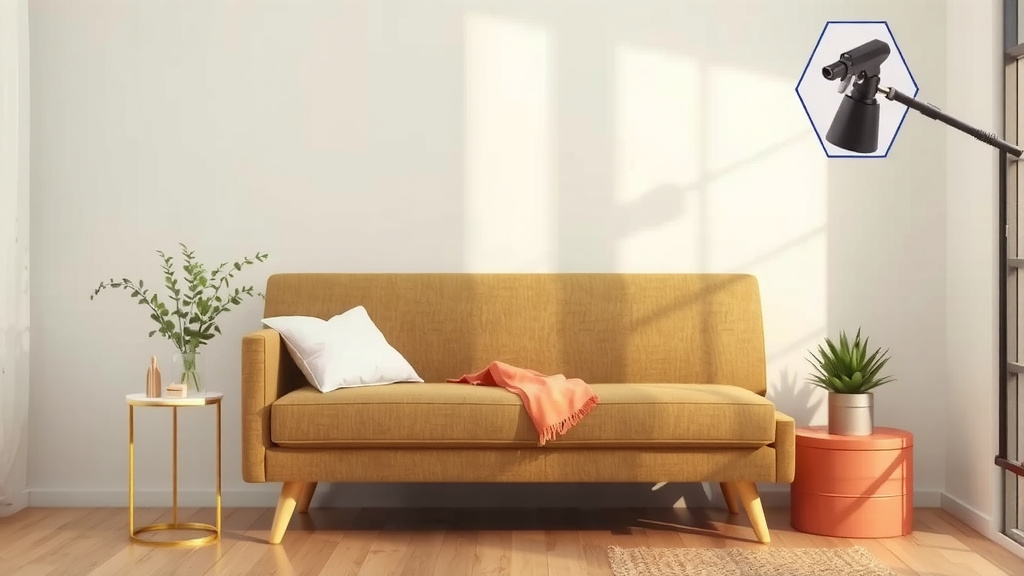
Airflow is your secret weapon. Open the windows, turn on a fan, and point it at the sofa. Fresh air removes moisture, and moisture is what bacteria need to keep stinking things up.
If it’s a sunny day, you can even carry cushions outside. Sunlight acts as a natural deodorizer. Just don’t leave fabric out for hours — UV rays can fade colors faster than you’d think.
Your Pre-Cleaning Checklist
Before you start scrubbing, make sure you’re set up for success:
- Check the care tag for cleaning codes (W, S, WS, or X)
- Remove and set aside all cushions and throws
- Test any cleaner on a hidden area
- Gather supplies: vacuum, baking soda, vinegar, cloths
- Plan for drying time — fans or an open window
- Keep pets and kids off the sofa while it dries
When the Smell Won’t Budge: Deep Cleaning
If your sofa still smells after all that, the odor has likely reached the foam padding inside. That’s when deep cleaning earns its keep. You have two solid options: steam cleaning or foam upholstery cleaner.
Steam Cleaning Your Sofa
Handheld steam cleaners work well on fabric if your care tag allows water-based cleaning. Steam kills odor-causing bacteria on contact and pulls grime out of the fibers. Keep the nozzle moving — holding it in one spot can over-wet the fabric and cause new problems.
After steaming, dry the sofa completely before sitting on it. A fan and a few hours should do it.
Using Foam Upholstery Cleaner
Foam cleaners are the low-effort route. Spray the foam on, work it in gently with a soft brush, let it dry, then vacuum away the residue. We found that these work best on surface-level odors rather than deep-set smells.
Whatever you choose, work in a well-ventilated room. Fumes from cleaners build up fast in closed spaces.
Keeping Your Sofa Smelling Fresh Long-Term
Prevention beats scrubbing every single time. A few small habits will keep future funk away:
- Vacuum your sofa weekly — it takes five minutes
- Sprinkle baking soda monthly as a light refresh
- Wash removable covers on the schedule the tag suggests
- Keep food and drinks off the cushions (we know, easier said than done)
- Address pet accidents immediately, never later
- Run a dehumidifier if your home tends toward damp
Give your sofa the same attention you’d give your own bedding. You sleep on both, after all — one of them just watches TV with you.
Conclusion
A smelly sofa isn’t a lost cause — it’s just fabric holding onto yesterday’s spills. Vacuum thoroughly, sprinkle baking soda, spot-treat stains, and let everything dry completely. Most odors vanish with those four simple steps. If the funk digs in deeper, a steam cleaner or enzyme treatment will usually finish the job. We researched the common methods, and the pattern is clear: consistency beats intensity. A quick weekly vacuum and a monthly baking soda refresh will save you from ever doing this again. So grab your vacuum, check that care tag, and give your couch the fresh start it deserves. Your nose will thank you tonight.
Frequently Asked Questions
Can I use Febreze on my fabric couch?
You can, but treat it as a finishing touch, not a fix. Fabric sprays mask odors temporarily rather than removing the source. Use it after you’ve vacuumed and deodorized, and always test it on a hidden spot first.
How long does it take for a couch to stop smelling after cleaning?
Light odors usually fade within a few hours once the fabric dries fully. Deep-set smells, especially from pets or moisture, may take a day or two. If the smell lingers after 48 hours, the odor has likely reached the foam and needs deeper treatment.
Why does my couch smell worse after cleaning it?
This usually means the couch is still damp. Moisture reactivates trapped odors and can feed bacteria if drying takes too long. Run a fan, open windows, and make sure the cushions dry completely before anyone sits on them.
Can I put baking soda directly on my couch and leave it overnight?
Yes, and for stubborn smells, overnight actually works better than 20 minutes. Baking soda is gentle on most fabrics and won’t cause damage. Just vacuum it up thoroughly the next morning so no powder is left behind.
When should I just replace my smelly couch?
If odors return within days after deep cleaning, the padding or frame may be saturated beyond saving. Mold inside the cushions is another dealbreaker, since it can affect your health. When cleaning stops working and the smell keeps winning, replacement is the honest answer.