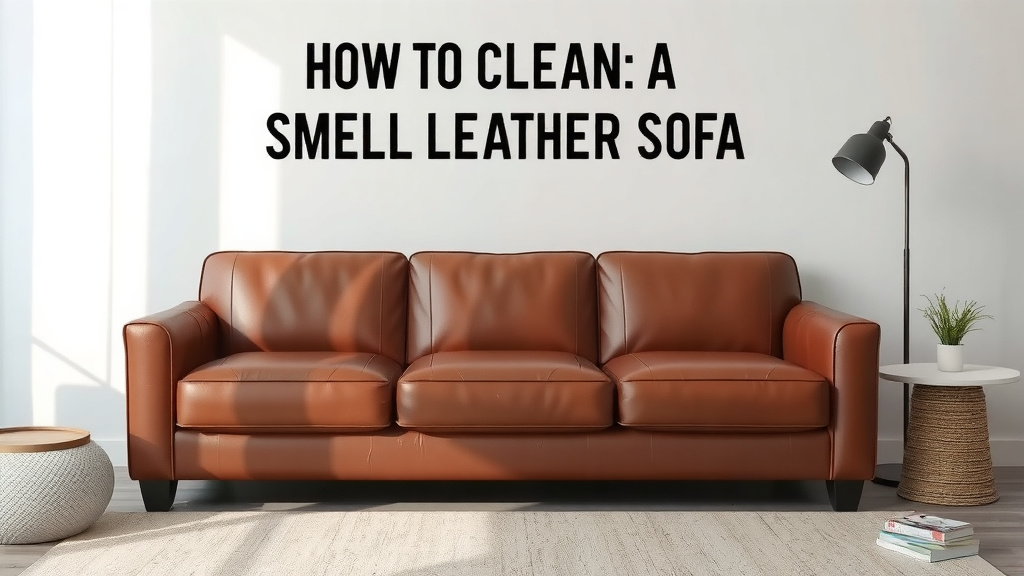
How to Clean a Smelly Leather Sofa: Easy Steps That Work
The easiest way to clean a smelly leather sofa is to wipe it down with a mix of mild soap and water, then treat the source of the odor with baking soda or white vinegar. Most smells come from spills, body oils, or moisture trapped in the leather. A few simple steps can have your couch smelling fresh again.
We get it, leather sofas are expensive, and the last thing you want is to ruin yours with the wrong cleaner. That’s why we did the research and found the safest methods that actually work. We also learned which common mistakes, like soaking the leather or using harsh chemicals, can make things worse.
TL;DR: How to clean a smelly leather sofa
- Vacuum the sofa first to remove crumbs, dust, and debris hiding in the seams.
- Wipe the leather with a damp cloth and a small amount of mild soap.
- Sprinkle baking soda on cushions and let it sit overnight to absorb odors.
- Use a light mist of white vinegar solution for stubborn smells.
- Finish with a leather conditioner to keep the material soft and protected.
Below, we walk through each of these steps in detail, plus a few extra tricks for tough odors like pet accidents or smoke. Let’s get your sofa smelling great again.
Cleaning a Smelly Leather Couch the Right Way
The safest method is gentle cleaning plus odor absorption. You wipe the leather with mild soap, pull out smells with baking soda, and finish with conditioner. No harsh chemicals needed. Think of it like washing your hands, not scrubbing a pan.
Step 1: Vacuum Every Nook and Cranny
Before any liquid touches your sofa, vacuum it. Crumbs, pet hair, and dust in the seams can trap odors and feed bacteria. Use your vacuum’s brush attachment on low suction.
Pay extra attention to the creases and stitching. That’s where the mystery smells usually live. We found that a quick pass along cushion edges makes a bigger difference than most people expect.
Step 2: Wipe Down With Mild Soapy Water
Mix a few drops of gentle dish soap into warm water. Dip a soft cloth, wring it out until it’s barely damp, and wipe the whole surface. Leather hates excess water, so less is more here.
Follow up with a dry cloth to remove any leftover moisture. Many experts say keeping leather dry during cleaning is the key to avoiding cracks and water spots (Mayo Clinic recommends gentle, minimal-moisture cleaning for leather care). If you are unsure how long to let the surface dry, our sofa drying time guide explains what to expect.
Step 3: Neutralize the Odor
Now it’s time to attack the smell itself. You have two great options, and both are cheap.
Using Baking Soda
Sprinkle a thin layer of baking soda over cushions and crevices. Let it sit overnight, ideally 8 to 12 hours. Baking soda absorbs odors instead of covering them up. Vacuum it off thoroughly in the morning.
Using White Vinegar
For stubborn smells, mix equal parts white vinegar and water in a spray bottle. Lightly mist a cloth, not the sofa directly, and wipe the surface. Let it air dry. The vinegar smell fades fast, taking the bad smell with it.
Step 4: Condition the Leather
Cleaning strips leather’s natural oils. A good leather conditioner restores softness and adds a protective layer. Apply a small amount with a clean cloth, working in circles. Wait 15 minutes, then buff off the excess.
Conditioning every 3 to 6 months keeps your sofa smooth and less absorbent, which means fewer odor problems down the road. Regular conditioning like this is also a big factor in how long a leather sofa last, which we cover in our lifespan guide.
What’s Actually Causing That Smell?
Finding the source matters more than any cleaner. Sprays just mask the problem, like spraying cologne on a gym shirt.
- Body oils and sweat soaking into the leather over time.
- Food and drink spills that seep into seams.
- Pet accidents, which sink deep and linger.
- Smoke from cigarettes or a nearby fireplace.
- Moisture and humidity causing mildew inside cushions.
If you smell something musty rather than sour or smoky, you might be dealing with mold or mildew. Studies published through NCBI note that damp upholstery can harbor mold spores, which can affect indoor air quality. Treat that one quickly.
Tough Odors: When the Basics Aren’t Enough
Sometimes one round of baking soda isn’t enough. Here’s how to handle the heavy hitters.
Pet Accidents
Urine smell is stubborn because it sinks deep into the padding. Blot fresh accidents immediately with paper towels. Then clean the spot with the vinegar solution. For old stains, an enzyme cleaner made for pet messes can break down odor-causing bacteria. Test it on a hidden spot first.
Smoke Smells
Smoke clings to leather like it clings to clothes. Wipe the sofa down, then leave it in a well-ventilated room with a fan running. Activated charcoal bags placed on and around cushions can absorb lingering smoke over a few days.
Mildew
Wipe mildew spots with a cloth dipped in diluted rubbing alcohol, one part alcohol to one part water. Dry the area fully. The CDC recommends keeping indoor humidity below 50% to prevent mold from returning.
Quick Checklist for a Fresh-Smelling Sofa
- Vacuum seams, crevices, and under cushions.
- Wipe with a barely damp, soapy cloth.
- Dry the surface right away with a clean towel.
- Sprinkle baking soda and leave it overnight.
- Mist with diluted vinegar for stubborn odors.
- Condition the leather and air out the room.
Mistakes That Can Ruin Your Leather
We found that most leather damage comes from good intentions. Avoid these common slip-ups:
- Soaking the leather. Water pools and leaves stains or warping.
- Using bleach or ammonia. These strip the finish and fade color.
- Scrubbing hard. You’ll push the stain deeper and scuff the surface.
- Skipping the patch test. Always test any cleaner on a hidden spot, like under a cushion.
- Using heat to dry. Hair dryers crack leather. Air drying only.
Keeping Your Sofa Smelling Fresh Long-Term
Prevention beats cleanup every time. A few small habits go a long way:
Simple Habits That Help
| Habit | How Often | Why It Works |
|---|---|---|
| Wipe down with a dry cloth | Weekly | Removes oils before they build up |
| Deep clean with soap | Monthly | Stops odor-causing residue |
| Condition the leather | Every 3–6 months | Keeps leather sealed and soft |
| Air out the room | Weekly | Reduces trapped humidity |
Smart Extras
Washable throw blankets are your friend. They take the brunt of daily wear and catch odors before the leather does. Keep food and drinks off the couch when you can. And if you have pets, a washable cover on their favorite spot saves you hours of cleaning.
One last tip? Keep a small box of baking soda near the sofa, just like you would in the fridge. A quick sprinkle once a month keeps things consistently fresh instead of playing catch-up after the smell sets in.
Conclusion
A smelly leather sofa isn’t a lost cause. You’ve got everything you need right now: vacuum the seams, wipe with mild soap, pull odors out with baking soda, and hit stubborn smells with a light vinegar wipe. Finish with conditioner so the leather stays soft and resists future gunk.
The real secret is finding the source. Sprays just hide the problem, but treating what’s causing the smell actually fixes it. And once your couch is fresh again, a few weekly habits will keep it that way.
Your next step? Grab a soft cloth, a bit of dish soap, and that box of baking soda. Start tonight, and by morning your sofa should smell noticeably better.
Frequently Asked Questions
Can I use Febreze or air fresheners on a leather sofa?
We’d skip them. Sprays and fresheners only mask the smell, and some contain oils or alcohol that can dry out or discolor leather. Stick with baking soda, diluted vinegar, and proper conditioning instead.
Why does my leather couch smell worse after cleaning?
This usually happens when moisture gets trapped inside the cushions or padding. If the sofa wasn’t dried fully, dampness can feed bacteria and mildew. Always wipe with a barely damp cloth, dry the surface right away, and let the room air out for several hours.
How long does it take for a leather couch to stop smelling?
Light odors often fade within a day after baking soda treatment. Deep smells, like pet urine or smoke, may take several treatments over a week or more. If the smell persists after two or three attempts, the odor has likely soaked into the padding and may need professional cleaning.
Can I use leather wipes instead of soap and water?
Yes, leather-specific wipes are fine for quick touch-ups between deep cleans. Just check that they’re pH-balanced and free of alcohol or bleach. They won’t pull odors out like baking soda can, so treat them as a maintenance tool, not a fix.
When should I call a professional to clean my leather sofa?
Call a pro if the smell sticks around after repeated cleanings, if you see mold spreading across large areas, or if the leather is cracked, peeling, or stained deep into the surface. Professional cleaners have tools and products that reach the padding without damaging the leather. For expensive sofas, it’s often worth the cost for peace of mind.