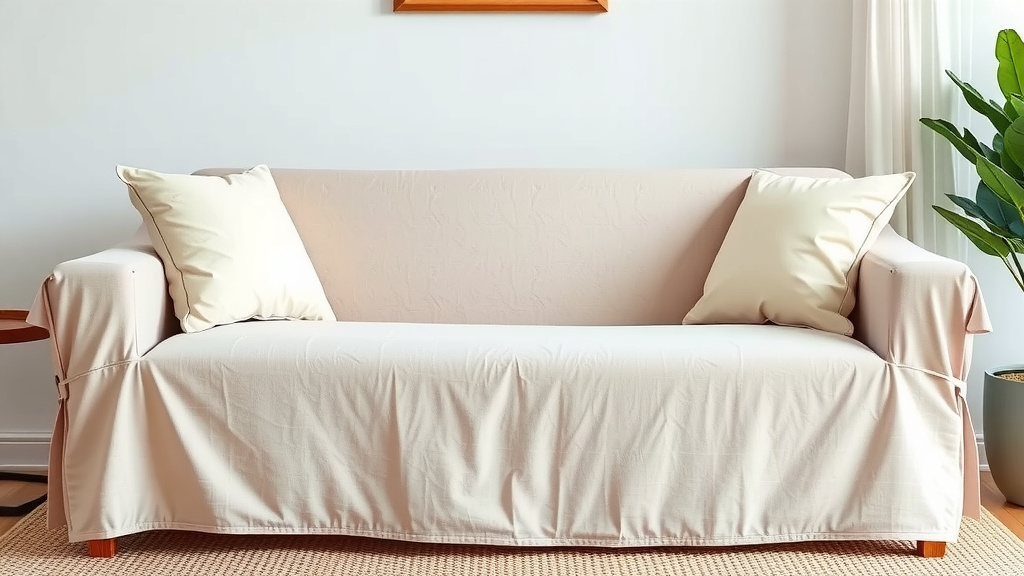
How to Clean a Sofa Cover the Right Way: A Step-by-Step Guide
The easiest way to clean a sofa cover is to check the care tag first, then machine wash it in cold water on a gentle cycle. Most fabric covers handle a mild detergent just fine. Air dry them to avoid shrinking, and you’re done.
But not every cover is washable, and that’s where things get tricky. Some covers are dry clean only, while others need a simple spot treatment instead. We researched care instructions from major sofa brands and found that skipping the label check is the number one mistake people make.
So how do you know which method is safe for your couch? And what if your cover has stains, pet hair, or mystery smells (we’ve all been there)? Don’t worry, we’ve got you covered.
- Check the care tag before doing anything else.
- Machine washable covers do best with cold water and gentle cycles.
- Air drying prevents shrinking and keeps the fit perfect.
- Spot clean covers that can’t go in the washing machine.
- Vacuum first to remove crumbs, dust, and pet hair.
Below, we break down everything you need to know about cleaning your sofa cover the right way, step by step. Let’s get that couch looking fresh again.
Cleaning Your Sofa Cover the Right Way
The safest method depends on your cover’s care tag. Machine washable covers go in cold water on gentle. Everything else gets spot cleaned or dry cleaned.
Think of it like laundry day for your couch. A little prep makes all the difference, and skipping steps is what turns a quick wash into a shrinkage disaster.
Decoding the Care Tag Before You Wash
Flip that cushion or unzip the cover and look for the tag. Those little symbols aren’t decoration. They’re instructions from the manufacturer, and they exist to save your sofa.
- W means water-based cleaners are safe.
- S means solvent-based cleaner only (no water).
- WS means either works.
- X means vacuum or brush only. Nothing wet.
We found that many people mistake the “S” code for washable fabric. That single mix-up can ruin a cover faster than a spilled glass of red wine. When in doubt, call the manufacturer or check their website.
Step One: Vacuum Before Anything Else
Even if your cover is headed straight to the washing machine, vacuum it first. Crumbs, dust, pet hair, and that one missing sock fragment all come off easier dry.
Use the upholstery attachment on your vacuum. Run it over every surface and get into the seams. Pet hair, in particular, tends to clump when wet and turns into a tangled mess. Ask any golden retriever owner. They know.
Machine Washing a Washable Cover
If the tag gives you the green light, you’re in good shape. Most cotton, linen, and polyester blend covers handle a machine wash well.
Settings, Detergent, and Water Temperature
Go with cold water and the gentle cycle, every time. Hot water is the enemy here. It can shrink natural fibers and fade colors faster than you can say “why is my couch now a loveseat?”
Use a mild detergent. Skip bleach unless the tag explicitly allows it, and even then, use it sparingly. For darker covers, a color-safe formula is your friend.
Should You Wash All Covers Together?
Wash covers separately from other laundry. Wash similar colors together so nothing bleeds. If your cover has zippers, zip them up first so they don’t snag the fabric.
And here’s a small but mighty tip: don’t overload the machine. A cramped wash means a less thorough clean and more wrinkles than you bargained for.
Drying Without Shrinking Your Cover
Air drying wins, hands down. Tumble dryers are the number one cause of shrunken covers, and once fabric shrinks, there’s no undo button.
Lay the cover flat on a drying rack or drape it over a clothesline away from direct sunlight. Sun can fade colors over long exposure. If you absolutely must use a dryer, choose the lowest heat setting and pull the cover out while it’s still slightly damp.
Pro move: put the cover back on the cushions while it’s a touch damp. The fabric stretches into place as it finishes drying, which helps it keep a snug, smooth fit.
Spot Cleaning Covers That Can’t Be Washed
If your tag says “dry clean only” or code “X,” spot cleaning is your go-to. It sounds intimidating, but it’s honestly just targeted first aid for fabric.
The Basic Spot Cleaning Routine
- Blot the stain immediately with a clean, dry cloth. Never rub.
- Test your cleaning solution on a hidden spot first, like the back or underside.
- Apply the cleaner with a cloth, working from the outside of the stain inward.
- Blot again with a damp cloth to remove residue.
- Let it air dry completely before sitting on it.
Many cleaning guides recommend blotting instead of scrubbing because rubbing pushes the stain deeper into the fibers (Mayo Clinic offers similar blot-first advice for treating fabric stains). Patience beats brute force here.
DIY Solutions That Actually Work
A mix of a few drops of dish soap in warm water handles most food and drink stains. For grease, sprinkle a little baking soda on the spot first, let it sit 15 minutes, then vacuum it up. For pet accidents, an enzyme cleaner breaks down both the stain and the smell.
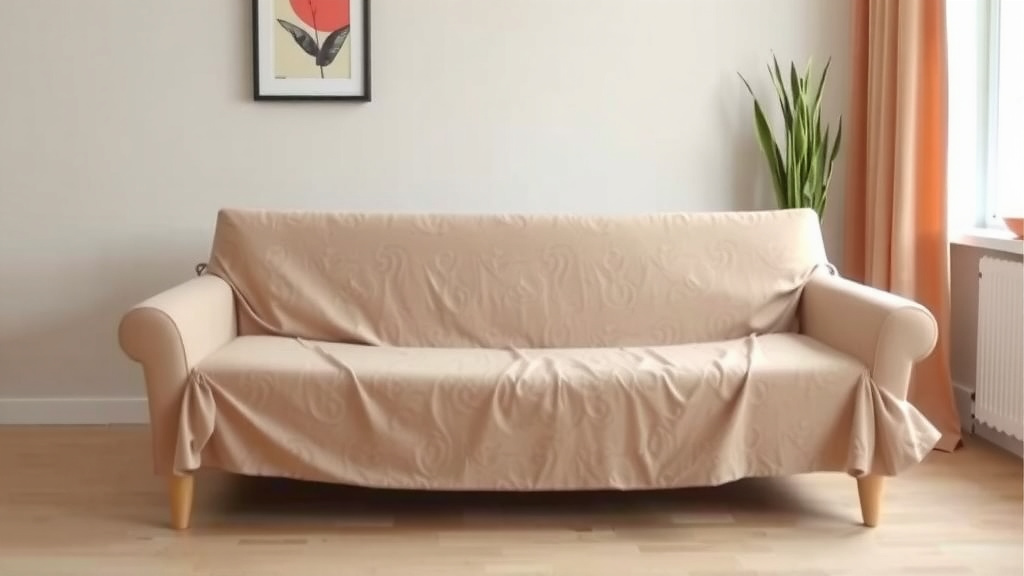
Quick Reference: Which Method for Which Cover?
| Cover Type | Best Method | Watch Out For |
|---|---|---|
| Cotton or linen blend | Machine wash, cold, gentle | Shrinking in the dryer |
| Polyester or microfiber | Machine wash or spot clean | Heat damage and pilling |
| Dry clean only (S code) | Professional cleaning | Water causing water rings |
| Velvet or delicate fabrics | Spot clean or dry clean | Crushing the nap with water |
| X code fabric | Vacuum only | Any liquid at all |
Dealing With Pet Hair and Odors
Pet hair has a way of staging a full occupation of your couch. Before washing, run a lint roller or a damp rubber glove over the fabric. The hair clumps up and lifts right off.
For lingering odors, sprinkle baking soda over the dry cover, let it sit for 15 to 30 minutes, then vacuum. It’s cheap, gentle, and surprisingly effective. Research on indoor air quality also suggests regular vacuuming helps cut down on allergens like pet dander (CDC).
How Often Should You Clean Your Sofa Cover?
Here’s the short answer: every one to three months for a wash, with quick vacuuming weekly. Homes with kids, pets, or allergy sufferers benefit from more frequent washes, since dust mites and dander build up in soft fabrics (NIH research on dust mites supports regular cleaning for allergy control).
Of course, spills and accidents don’t follow a schedule. Treat those as they happen and stick to your routine washes for everything else.
Your Pre-Wash Checklist
Before you toss anything in the machine, run through this quick list:
- Read the care tag and confirm the washing code.
- Unzip covers fully and remove any foam inserts.
- Vacuum both sides to lift hair and debris.
- Pre-treat any stains with a tested solution.
- Zip zippers closed and check for loose threads.
- Set up an air drying spot before you start washing.
Common Mistakes That Ruin Sofa Covers
Even careful people slip up here. The biggest culprits we found are hot water, high heat drying, and skipping the label check entirely. Each one can turn a perfectly good cover into a tight, misshapen disappointment.
Another sneaky mistake? Letting stains sit. The longer a spill soaks in, the harder it is to remove. Address it within minutes when you can, and your cover will thank you for years to come.
Conclusion
Cleaning your sofa cover doesn’t have to feel like a gamble. The winning formula is simple: read the care tag, vacuum first, wash in cold water on gentle, and always air dry. If your cover can’t handle a wash, spot cleaning with a tested solution will save you a world of trouble. And when it comes to pet hair and odors, baking soda and a lint roller are your budget-friendly heroes.
We researched the common slip-ups, and the pattern is clear. Most ruined covers come from heat, hot water, or skipped label checks. You now know better. So here’s your next step: go flip that care tag today. Once you know your cover’s code, you’re one gentle cycle away from a couch that looks brand new again.
Frequently Asked Questions
Can I wash my sofa cover in a top-loading machine with an agitator?
You can, but be extra careful. Agitators are rougher on fabric and can stretch or snag covers, especially ones with zippers. If that’s the machine you have, use the gentlest cycle available and consider placing the cover in a mesh laundry bag for added protection.
What should I do if my sofa cover shrank after washing?
Try soaking the cover in lukewarm water with a small amount of hair conditioner or baby shampoo for about 30 minutes. This relaxes the fibers so you can gently stretch it back toward its original shape while it’s damp. It won’t always work completely, but it often buys you enough stretch to refit the cover.
Is it safe to use vinegar when cleaning a sofa cover?
White vinegar is generally safe for washable covers and works well as a natural odor booster. Add half a cup to the rinse cycle, or dilute it with water for spot cleaning. Just avoid it on delicate fabrics like silk or velvet, and test any hidden area first.
Can I put a damp sofa cover back on the couch?
Slightly damp is actually ideal. Putting the cover back on while it’s still a touch damp lets it stretch into place and dry wrinkle-free. Just don’t put it on soaking wet, since trapped moisture can lead to mildew or musty smells inside the cushions.
Why does my sofa cover still smell after washing it?
Lingering smells usually mean the cover didn’t dry fully or odor-causing residue stayed in the fabric. Make sure it dries completely in a well-ventilated space before use. For stubborn odors, pre-soak the cover in a mix of cold water and a cup of baking soda before the regular wash cycle.