How to Clean a Sofa That Smells: Simple Steps That Work
The easiest way to clean a sofa that smells is to vacuum it thoroughly, then sprinkle baking soda over the cushions and let it sit for a few hours before vacuuming again. For stubborn odors, spot-clean with a mix of white vinegar and water. That’s it — no fancy products needed.
So why does your couch smell in the first place? Pets, spilled food, sweat, and everyday use all sink into the fabric over time. We researched what actually works and found that most smells come from trapped moisture and bacteria, which means the fix is simpler than you might think. Many experts agree that regular deodorizing keeps odors from coming back.
- Vacuum every surface, including under the cushions.
- Sprinkle baking soda, wait a few hours, then vacuum it up.
- Spot-clean stains with vinegar or a fabric-safe cleaner.
- Air out the room to speed up drying and prevent mildew.
- Deep clean your sofa every few months to stay ahead of odors.
Below, we break down exactly how to clean a smelly sofa step by step, plus a few tricks for keeping it fresh long after. Ready to breathe easy on your couch again? Let’s get into it.
Cleaning a Smelly Sofa Step by Step
Start with the fastest fix: vacuum, deodorize with baking soda, then spot-clean anything that still stinks. That order matters. You want to lift loose crumbs and dust before adding any moisture to the fabric.
Think of it like sweeping the kitchen before you mop. Skip the first step and you just push the mess deeper. We found that most odor complaints trace back to skipped prep work, not weak cleaners.
Step 1: Vacuum Every Inch You Can Reach
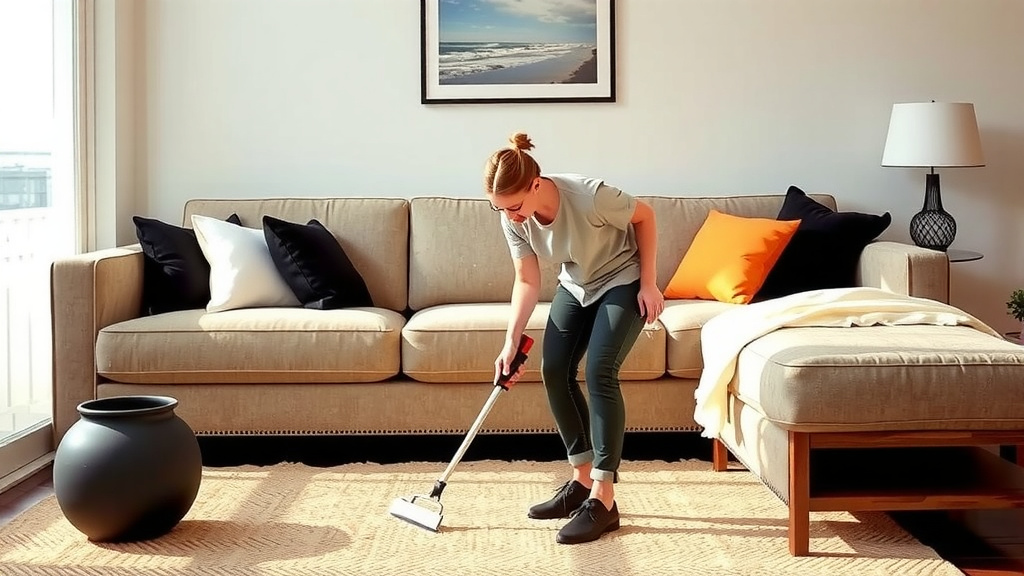
Remove the cushions and set them aside. Then vacuum the frame, the sides, the back, and every crevice you can find. Crumbs, pet hair, and dust trap smells like a sponge.
Use the crevice tool for the seams. That’s where potato chips go to retire. If your vacuum has a brush attachment, use it on the fabric to pull hidden debris to the surface.
- Take off all cushions and vacuum both sides.
- Hit the seams, tufts, and zipper areas.
- Don’t forget the base and the floor underneath.
Step 2: Deodorize With Baking Soda
Sprinkle a generous layer of baking soda over the entire sofa, cushions included. Let it sit for at least a few hours. Overnight is even better if you can keep everyone off the couch.
Baking soda is a mild alkali, so it neutralizes acidic odor molecules instead of just masking them. Many cleaning guides recommend it as a safe first choice for fabric (Mayo Clinic). Once the wait is over, vacuum it all up slowly and thoroughly.
Step 3: Spot-Clean What Still Smells
Now handle the trouble spots. Mix equal parts white vinegar and water in a spray bottle. Lightly mist the smelly area — don’t soak it. Blot with a clean cloth and let it air dry.
Vinegar smells strong at first, but the scent fades as it dries. It also kills many odor-causing bacteria. The CDC notes that diluted vinegar can help reduce bacteria on household surfaces, so you’re treating the cause, not covering it up.
Check Your Sofa’s Cleaning Code First
Before you spray anything, flip a cushion and look for a tag. That little letter code tells you what the fabric can handle. We found that skipping this step ruins more sofas than any stain does.
| Code | What It Means | What You Can Use |
|---|---|---|
| W | Water-safe fabric | Water-based cleaners, vinegar mix |
| S | Solvent only | Dry-cleaning solvent, no water |
| WS | Either works | Water or solvent cleaners |
| X | Vacuum only | No liquids at all — call a pro |
Step 4: Let It Dry Completely
Moisture is the enemy. A damp couch breeds mildew, and mildew smells worse than the original problem. Open windows, run a fan, or point a box fan at the sofa until it’s fully dry.
The EPA recommends keeping indoor humidity low to prevent mold growth on soft surfaces. Give it several hours, then do the sniff test before you sit down.
Tackling Tough Odor Sources
Some smells put up a fight. Pet accidents, smoke, and old spills need a stronger plan than baking soda alone. Here’s how to handle the big three.
Pet Odors and Accidents
Urine is the toughest smell to beat because crystals stay in the fabric long after the spot dries. Use an enzymatic cleaner made for pets. The enzymes break down the odor source instead of hiding it.
Blot up as much liquid as you can first, then soak the spot with the enzyme cleaner and let it air dry. You may need two rounds. Patience wins here, honestly.
Smoke and Cooking Smells
Smoke particles settle deep into upholstery fibers. After vacuuming and baking soda, try a fabric refresher spray or a second vinegar spot-treatment on cushions. Washing cushion covers — if they’re removable — makes a big difference too.
Mildew and Musty Smells
Mustiness means moisture has been sitting in the fabric. Sunlight is your friend. Place cushions outside on a dry, sunny day for a few hours. UV light helps kill odor-causing microbes, and fresh air does the rest.
Keeping Your Sofa Smelling Fresh
Once your couch is clean, a few small habits keep it that way. Prevention beats a deep-cleaning session every single weekend. None of these take more than a few minutes.
- Vacuum weekly — crumbs and dust are odor starters.
- Rotate and fluff cushions so wear and smells spread evenly.
- No eating on the couch — or at least use a tray.
- Open windows regularly to flush out stale air.
- Bathe pets and brush them away from the sofa.
- Deep clean every 3–6 months to stay ahead of buildup.
Many experts say routine care is the single biggest factor in how long upholstery stays fresh. A little consistency now saves you from fighting a stubborn smell later. Your nose — and your guests — will thank you.
Conclusion
A smelly sofa isn’t a lost cause — it’s usually just trapped moisture, bacteria, and everyday buildup. Start by vacuuming every crevice, deodorize with baking soda, and spot-clean stubborn areas with a vinegar mix. Check your fabric’s cleaning code first, and always let the sofa dry completely so mildew doesn’t move in. For pet accidents, smoke, or mustiness, target the source with enzymatic cleaners or fresh air and sunlight. We found that consistency matters most: quick weekly habits prevent the deep-cleaning marathon later. Your next step? Grab your vacuum and baking soda today, and give your couch the refresh it’s been asking for. Your nose will notice the difference tonight.
Frequently Asked Questions
Can I use Febreze instead of baking soda on my couch?
You can, but think of it as a quick fix rather than a real clean. Fabric refreshers mask odors temporarily, while baking soda actually neutralizes them. For best results, use baking soda first, then a refresher spray as a finishing touch.
How long does it take for a sofa to dry after cleaning?
Most spot-cleaned sofas dry within 4 to 6 hours in a well-ventilated room. If you used more moisture, give it up to 24 hours. Run a fan or open windows to speed things up and prevent that damp, musty smell from settling in.
Why does my couch still smell after I clean it?
Lingering odors usually mean the source is still there — think urine crystals deep in the cushion foam or mildew inside the frame. Try a second treatment with an enzymatic cleaner, or check under and inside the cushions. If the smell persists, the odor may have reached the padding, which might need professional cleaning.
Is vinegar safe for all sofa fabrics?
No — vinegar is water-based, so it’s only safe for fabrics tagged with a W or WS code. If your sofa is labeled S or X, skip liquids entirely and use a dry-cleaning solvent or call a professional. Always test any cleaner on a hidden spot first.
When should I just replace my smelly sofa instead of cleaning it?
If odors come back within days of a deep clean, or if there’s mold growing inside the cushions or frame, replacement may be the smarter move. Also consider the sofa’s age and overall condition. A professional upholstery cleaning is worth trying first — it costs far less than a new couch.