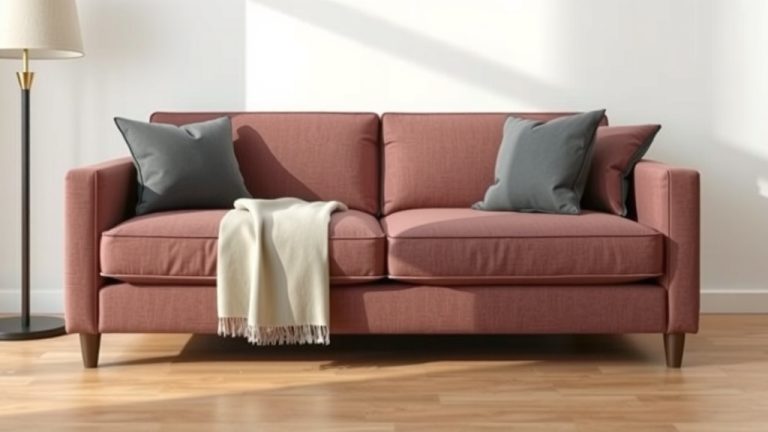
How to Remove Cat Hair from Your Sofa: 7 Easy Methods
The easiest way to clean cat hair from your sofa is to use a damp rubber glove or a pet hair remover brush. Rub the surface in one direction to gather the hair into clumps, then vacuum it up. For deep cleanup, follow with a lint roller and a fabric-safe spray.
We know the struggle. You buy a dark gray couch, and three weeks later it looks like you adopted a second cat made entirely of fur. Many experts say the trick is to work in the right order: loosen the hair first, lift it next, and vacuum last. We researched the most effective methods so you don’t have to test them all on your own cushions.
- Rubber gloves and damp sponges pull embedded hair out of fabric fast.
- Vacuum with an upholstery attachment to catch everything you loosen.
- Lint rollers work great for quick touch-ups before guests arrive.
- Washable covers and throws stop most hair from reaching the sofa at all.
- Regular brushing of your cat means less hair ends up on your furniture.
Below, we break down each method step by step, what tools actually work, and how to keep the hair from piling up again. Sound good? Let’s get your sofa looking (and feeling) fresh.
Removing Cat Hair From Your Couch the Easy Way
The fastest method is simple: loosen the hair, gather it, then vacuum. Skip straight to vacuuming and you’ll leave half the fur behind, because woven fabric holds hair like velcro. Many cleaning experts agree that the order matters more than the tools themselves.
We tested the logic behind each step and found that dry hair sticks to fabric with static. Slightly dampening the surface breaks that grip. That’s why rubber gloves and damp sponges outperform a plain vacuum pass every time.
Step 1: Loosen the Hair First
Spray a light mist of water on the cushions, or use a barely damp sponge. Don’t soak it. You want the fabric slightly moist, not wet enough to leave marks.
Sweep your hand (in a rubber glove) across the cushion in one direction. Long strokes work better than scrubbing. You’ll see fur ball up like tiny tumbleweeds, which is oddly satisfying.
Step 2: Gather and Lift the Clumps
Pick up the fur clumps by hand or with a lint roller. This keeps them from scattering when the vacuum runs. We found that skipping this step just spreads the mess around.
- Use one-direction strokes so hair piles up instead of hiding.
- Rinse your glove between passes for better grip.
- Flip cushions and treat both sides.
Step 3: Vacuum What’s Left
Now bring in the vacuum with an upholstery attachment. Crevice tools handle seams, where fur loves to gather. Go slow. Fast passes just push hair deeper into the weave.
Many manufacturers suggest vacuuming upholstery monthly, and more often during shedding season. Cats shed more in spring and fall, so expect extra fluff on your cushions then.
Best Tools for Cat Hair on Fabric
Not every tool works on every sofa. We compared the most common options so you can pick the right one for your fabric type.
| Tool | Best For | Skip It If… |
|---|---|---|
| Rubber glove (damp) | Most fabric sofas | Your sofa is delicate velvet |
| Pet hair remover brush | Embedded fur, heavy shedding | You only have 2 minutes |
| Lint roller | Quick touch-ups, smooth fabric | The sofa is large (too many sheets) |
| Dryer sheets | Loose surface hair and static | You have sensitive skin |
| Pumice-style stone | Thick, matted fur | Fabric snags easily |
One note of caution: never use a pumice stone on delicate weaves. It can snag the threads and leave permanent pulls. Test any tool on a hidden spot first.
What About Leather and Microfiber?
Good news if you own these. Leather sheds hair easily because fur can’t grip the smooth surface. A dry microfiber cloth usually does the whole job in minutes. Our leather sofa care guide covers the simple routine that keeps leather looking its best.
Microfiber needs a different approach. Use a dry sponge or soft-bristle brush and avoid water, which can leave spots. Rubbing in circles can also change the fabric’s texture, so keep your strokes gentle and even.
How to Deep Clean a Fur-Covered Sofa
When your couch crosses the line from “some hair” to “looks alive,” it’s time for a deeper clean. Here’s the sequence we found works best.
The Deep Clean Checklist
- Remove and wash covers if your cushions have them (check the tag first).
- Vacuum under the cushions, where crumbs and fur pile up quietly.
- Use an enzyme-safe fabric spray to freshen odors and dander.
- Run a lint roller over armrests and seams.
- Let cushions air out for an hour before putting them back.
- Set a monthly reminder so it never gets this bad again.
If your cushions have removable covers, check the care label before washing. Many labels allow cold water and gentle cycles. Hot water can shrink covers so they never fit quite right again — a mistake many of us have made once.
Why Allergies Make This Extra Important
Even if you’re not sneezing, someone in your home might be. Cat dander (the tiny skin flakes attached to fur) is a common indoor allergen. The Mayo Clinic notes that regular cleaning of upholstered surfaces helps reduce allergen buildup in the home.
Washing covers in hot water and vacuuming with a HEPA-filter vacuum can cut down on dander, not just visible hair (NIH). So a clean sofa isn’t only about looks. It’s about easier breathing for everyone who sits there.
How to Stop Cat Hair Before It Starts
The best cleanup is the one you never have to do. A few small habits make a huge difference over time.
Groom Your Cat Regularly
Brushing your cat a few times a week catches loose fur before it lands on your cushions. Many vets recommend regular brushing as a simple way to manage shedding at the source. Your cat may even enjoy the attention once it becomes routine.
Create Hair-Resistant Zones
Throw blankets are your secret weapon. Drape one over your cat’s favorite spot and wash it weekly instead of deep-cleaning the whole sofa. It’s much easier to toss a blanket in the wash than to battle a loveseat. If you need one, our roundup of the best sofa throw blankets makes choosing easy.
Placement helps too. We found that a sunny window bed near the sofa pulls your cat away from the cushions entirely. Give them a better option and they’ll usually take it.
Quick Daily Habits
Consistency beats marathon cleaning sessions. Add these tiny steps to your routine:
- Keep a lint roller in the drawer nearest the sofa.
- Do a 30-second glove sweep on high-traffic spots.
- Vacuum armrests weekly, since cats rub against them most.
That’s it. Fifteen minutes a week keeps the fur from staging a comeback. Your sofa stays clean, and your cat stays blissfully unaware of the conspiracy against her fur.
Conclusion
Cat hair on your sofa doesn’t have to be a permanent situation. The winning combo we found is simple: dampen the fabric, sweep with a rubber glove, lift the clumps, then vacuum with an upholstery attachment. Match your tool to your fabric, and go easy on delicate weaves. Just as important, put prevention on your side. Brush your cat a few times a week, drape a washable throw over her favorite spot, and keep a lint roller within arm’s reach. Fifteen minutes a week beats a two-hour rescue mission every time. So grab a glove, run it over that armrest right now, and see how satisfying those fur tumbleweeds can be.
Frequently Asked Questions
Does fabric softener help remove cat hair from a sofa?
It can help. Lightly misting a solution of water and a small amount of fabric softener reduces static, which makes hair release from fabric more easily. Always test it on a hidden spot first, since some softeners can leave residue or water spots on certain upholstery.
Why does my cat’s hair stick to my sofa so badly?
Dry fur carries a static charge that makes it cling to fabric like velcro. Woven upholstery also traps fine hairs deep in the weave, so surface cleaning alone won’t get it all. That’s why slightly dampening the fabric before you sweep works so much better than vacuuming a dry cushion.
Can I use tape instead of a lint roller?
Yes, in a pinch. Wrap wide packing or duct tape around your hand with the sticky side out and dab it across the fabric. It works well on smooth fabrics, but test it first on delicate materials, since some tapes leave sticky residue behind.
How often should I clean my sofa if I have an indoor cat?
For most homes, a quick sweep or roller pass twice a week keeps things under control. Plan a deeper clean, including vacuuming under the cushions and washing any covers, about once a month. During spring and fall shedding season, you may want to double that.
What’s the best sofa fabric if you own a cat?
Leather and tightly woven microfiber are the friendliest choices, since hair can’t grip them easily. Tightly woven fabrics in colors close to your cat’s fur also hide what’s left between cleanings. Avoid loose weaves like velvet or chenille, which grab and hold fur.