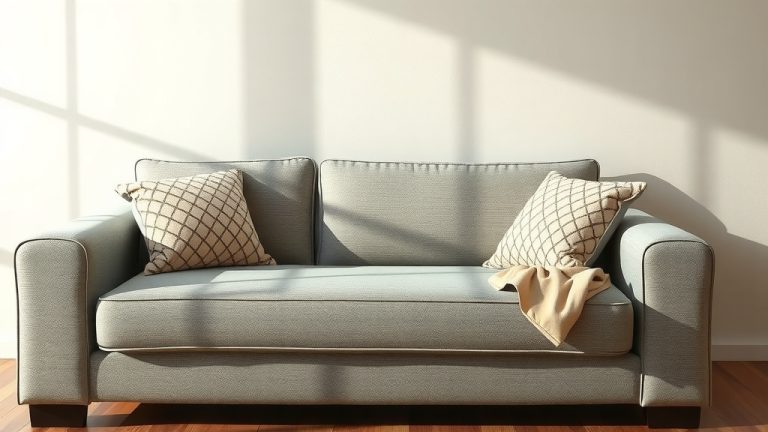
How to Clean a Fiber Sofa: Easy Steps for a Fresh Look
The easiest way to clean a fiber sofa is to vacuum it thoroughly, spot-treat stains with a mild soap solution, and let it air dry completely. Most fiber fabric couches just need regular vacuuming and quick attention to spills. No fancy chemicals or steam machines required.
Fiber upholstery is popular because it’s comfy and budget-friendly. But it also soaks up spills fast, which is why a quick cleanup routine matters. We researched expert cleaning methods and found that most stains come out fine if you act within a few minutes. Ever watched coffee sink into a cushion in real time? Yeah, that’s the moment that counts.
Here’s the short version before we get into the details:
- Vacuum first to remove dust, crumbs, and pet hair from the fabric.
- Check the care tag before using any cleaner or water on your sofa.
- Blot spills right away — never rub, or you’ll push the stain deeper.
- Use mild soap and water for most spot-cleaning jobs.
- Let cushions air dry fully to prevent musty smells and mildew.
Below, we break down everything you need to know about cleaning your fiber sofa, step by step. Grab a rag — this won’t take long.
Cleaning Your Fiber Sofa Step by Step
Start with vacuuming, then spot-clean with mild soap, and finish by air drying. That’s the whole game plan. We found that breaking it into small steps keeps things simple and stress-free.
Step 1: Check the Care Tag First
Flip a cushion and find the care tag. It tells you what your sofa can handle. Many experts say skipping this step is the number one rookie mistake.
- W — water-based cleaners are safe.
- S — use solvent-based cleaners only.
- W/S — either type works.
- X — vacuum only. No liquids, period.
If your tag says X, stick to dry methods like vacuuming and baking soda. Your sofa will thank you.
Step 2: Vacuum Like You Mean It
Use your vacuum’s upholstery attachment and go over every surface. Get into creases and seams where crumbs hide. Think of it like brushing your teeth before the dentist — the prep work makes everything else easier.
Remove cushions and vacuum underneath too. We found that most hidden debris lives under the cushions, not on them.
Step 3: Spot-Treat Stains the Right Way
Mix a few drops of dish soap into warm water. Dip a clean cloth, wring it out well, and blot the stain. Never scrub. Scrubbing grinds the stain deeper, like rubbing a marker into paper.
Dealing with Tough Stains
For greasy spots, sprinkle baking soda on the area first. Let it sit for 15 minutes, then vacuum it up. For ink or wine, many guides suggest dabbing with a cloth dampened in isopropyl alcohol. Always test any cleaner on a hidden spot first.
Step 4: Rinse and Blot Dry
Dampen a fresh cloth with plain water and wipe away soap residue. Then press a dry towel onto the area to soak up moisture. Leftover soap actually attracts more dirt, so don’t skip this part.
Step 5: Let It Air Dry Completely
Open windows or run a fan until the fabric is fully dry. Sitting on a damp cushion traps moisture, and that’s how musty smells and mildew start. The CDC notes that keeping fabrics dry helps prevent mold growth in your home.
Best Cleaning Solutions for Fiber Fabric
Mild soap and water handle most jobs. Here’s a quick comparison of common options so you can pick the right one.
| Solution | Best For | Cautions |
|---|---|---|
| Dish soap + water | Food spills, dirt, most stains | Rinse well to avoid residue |
| White vinegar + water (1:2) | Odors, light grime | Smell fades as it dries |
| Baking soda | Grease, odors, freshening up | Vacuum thoroughly after |
| Isopropyl alcohol | Ink, stubborn spots | Test first; can lighten color |
| Enzyme cleaner | Pet stains | Check tag for water safety |
What to Avoid at All Costs
- Bleach — it can discolor fiber fabric fast.
- Soaking wet cloths — too much water leads to mildew.
- Harsh scrubbing — it frays the fibers and ruins texture.
- Heat — skip the hair dryer; it can set stains and shrink fabric.
Dealing with Pet Hair and Odors
Pet hair clings to fiber fabric like glitter after a craft project. A rubber glove or slightly damp sponge works wonders. Drag your hand across the fabric and watch the hair ball up.
For odors, sprinkle baking soda over the whole sofa. Let it sit for 20 minutes, then vacuum. Many experts recommend repeating this monthly if you have pets.
When to Call a Professional
Sometimes DIY isn’t enough. Consider a pro if you notice water stains that keep spreading, mold spots, or odors that survive two cleanings. Deep-set pet accidents sometimes reach the cushion foam, and that’s beyond surface cleaning.
How Often Should You Clean a Fiber Sofa?
A quick weekly vacuum and a deeper clean every 3 to 6 months keeps most sofas in great shape. Households with kids or pets may want to vacuum twice a week. Spills? Those get handled the moment they happen.
Here’s a simple maintenance checklist to pin to the fridge:
- Vacuum all surfaces and under cushions weekly.
- Blot spills within 5 minutes.
- Rotate and flip cushions monthly for even wear.
- Deodorize with baking soda monthly.
- Deep clean with soap solution every 3-6 months.
- Wash removable covers per the tag instructions.
Keeping Your Sofa Cleaner Longer
A few habits go a long way. No eating on the couch (we know, easier said than done). Keep drinks on a side table. Use throws and blankets on high-traffic seats — they’re much easier to toss in the wash than an entire sofa is to clean.
And if sunlight hits your sofa directly, consider closing blinds part of the day. UV rays fade fiber fabric over time.
Conclusion
Cleaning a fiber sofa doesn’t need to feel like a chore you dread. Check the tag, vacuum well, blot spills fast, and let everything dry fully. Those four habits handle 90% of what life throws at your couch.
We found the biggest wins come from speed and gentleness. Blot spills within minutes, use mild soap instead of harsh chemicals, and never scrub like you’re washing dishes. Your fabric stays intact, your colors stay bright, and your sofa lasts years longer.
So here’s your next step: grab your vacuum’s upholstery attachment and give your sofa a quick once-over today. Then flip that cushion and read the care tag so you’re ready before the next spill happens.
Frequently Asked Questions
Can I use a carpet cleaner on my fiber sofa?
We don’t recommend it. Carpet cleaners use strong suction and lots of water, which can leave your cushions soggy and cause mildew inside the foam. Stick to damp cloths and gentle blotting instead. If you need a machine, rent an upholstery-specific extractor with a low-moisture setting.
How do I clean a fiber sofa without water?
If your care tag shows an “X,” skip liquids entirely. Vacuum thoroughly with an upholstery attachment, then sprinkle baking soda over the fabric to absorb odors. Let it sit for 20 minutes and vacuum again. A dry solvent cleaner labeled safe for “S” code fabrics is another option.
Why does my sofa smell after cleaning it?
Lingering odors usually mean the fabric or cushion foam didn’t dry completely. Moisture trapped inside creates that musty smell. Run a fan or open windows until everything feels fully dry, which can take several hours. Next time, use less water and blot out as much moisture as possible.
Can I put fiber sofa cushion covers in the washing machine?
Only if the tag says they’re removable and machine washable. Many zippered covers are safe on a gentle cycle with cold water, but some shrink or fade. Air dry them rather than using a dryer. If there’s no zipper, the fabric likely isn’t designed to come off.
How do I get a water stain out of a fabric couch?
Water stains are tricky because they’re often mineral rings from uneven drying. Try lightly dampening the entire section (not just the ring) with distilled water, then blot and dry it evenly with a fan. We found that matching the dampness across the whole panel helps the mark blend in. If it persists, a professional cleaner can treat it properly.