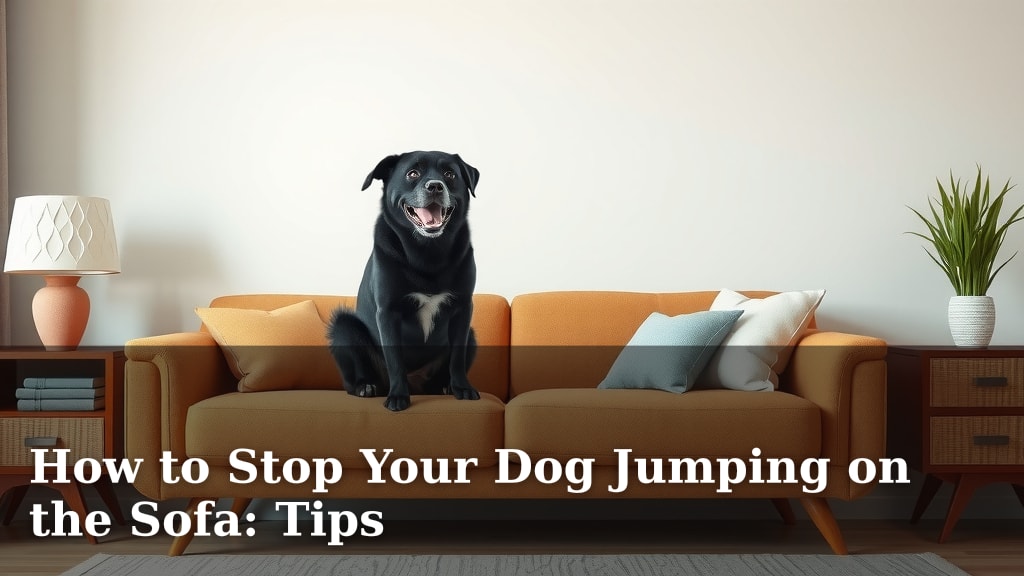
How to Stop Your Dog Jumping on the Sofa: Tips
Stopping your dog from jumping on the sofa is achievable with consistent training and management. The key is to redirect unwanted behavior and reward calm alternatives. This approach helps your dog learn that the couch is off-limits while still offering them a comfortable space to relax. You can teach them to stay off the furniture and respect your boundaries.
It’s a common challenge for many dog owners. Your furry friend might see the sofa as an extension of their bed. Understanding why dogs jump is the first step. Then, you can implement effective strategies to change this habit. We’ve researched various methods to help you get your dog to keep all four paws on the floor.
- Redirect jumping behavior to an appropriate spot.
- Reward your dog for staying off the sofa.
- Manage the environment to prevent jumping incidents.
- Be consistent with your training commands.
- Consider positive reinforcement techniques.
Let’s walk through the best strategies to teach your dog that the sofa is a no-jump zone.
Teaching Your Dog to Stay Off the Sofa: A Step-by-Step Guide
It can be tempting to let your furry friend snuggle up on the couch with you. But if you want them to stay off, consistency is your best friend. You’ll need to teach them where they *can* relax. This involves a few key strategies. Let’s break down how to make the sofa a no-go zone for your pup.
Understanding Why Your Dog Jumps on the Sofa
Before you can stop the behavior, it helps to understand the root cause. Dogs often jump for a variety of reasons, from seeking attention to finding a comfortable spot. We’ve researched common motivations that lead to sofa surfing.
Seeking Comfort and a High Vantage Point
Sofas are often soft and comfortable. They also offer a higher vantage point, which can be appealing to dogs. This allows them to survey their surroundings from a commanding position. It’s a natural instinct for some breeds.
Attention-Seeking Behavior
Sometimes, a dog jumps on the sofa simply because they want your attention. If they’ve learned that jumping gets them noticed, they’ll keep doing it. Even negative attention can be rewarding for them. We found that a quick redirect is often more effective than scolding.
Establishing Territory and Pack Dynamics
In a dog’s mind, elevated places can be seen as prime territory. They might be asserting their place within the “pack” – your family. This is particularly true if they view the sofa as a central hub of family activity. Experts note this can be an instinctual behavior that needs redirection.
Strategies to Keep Your Dog Off the Sofa
Now that you know why your dog might be a couch potato, let’s look at how to redirect that behavior. These methods focus on positive reinforcement and clear boundaries. You’ll be creating a harmonious living situation in no time.
Provide an Appealing Alternative
The most effective way to keep your dog off the sofa is to give them something better. Offer a comfortable dog bed or mat in a nearby location. Make sure it’s extra cozy and perhaps in a spot where they can still feel part of the family.
Making the Alternative Irresistible
Sprinkle their favorite treats on the bed. You can also place a favorite toy there. If the bed smells like them, it will be even more inviting. We found that associating the bed with positive experiences is key.
Teach a “Place” or “Go to Mat” Command
This is a fantastic command for teaching your dog to go to their designated spot. Start by luring your dog onto their bed with a treat. Say “Place” or “Mat” as they step onto it. Reward them immediately when they’re on it.
Gradually Increase Duration
Once they understand the command, start asking them to stay on their mat for longer periods. Gradually increase the time they need to stay before getting a reward. This helps them learn impulse control. Many dog trainers recommend short, frequent sessions.
Manage the Environment to Prevent “Cheating”
When you can’t actively supervise your dog, make the sofa inaccessible. You can use physical barriers or deterrents. This prevents them from practicing the unwanted behavior when you’re not around to correct it. Consistent management is vital.
Physical Barriers and Deterrents
Consider placing upside-down laundry baskets or large plastic mats on the sofa when you’re not using it. Some owners use motion-activated air sprayers, though we found that less intrusive methods are often just as effective. Keep the door to the room closed if necessary. Research from animal behaviorists suggests preventing the habit is easier than breaking it.
Redirecting Jumping Behavior in the Moment
What do you do when you see your dog about to jump or already on the sofa? The goal is to interrupt the behavior without scaring your dog. Then, redirect them to their appropriate spot. Your reaction matters a great deal.
Interrupt and Redirect
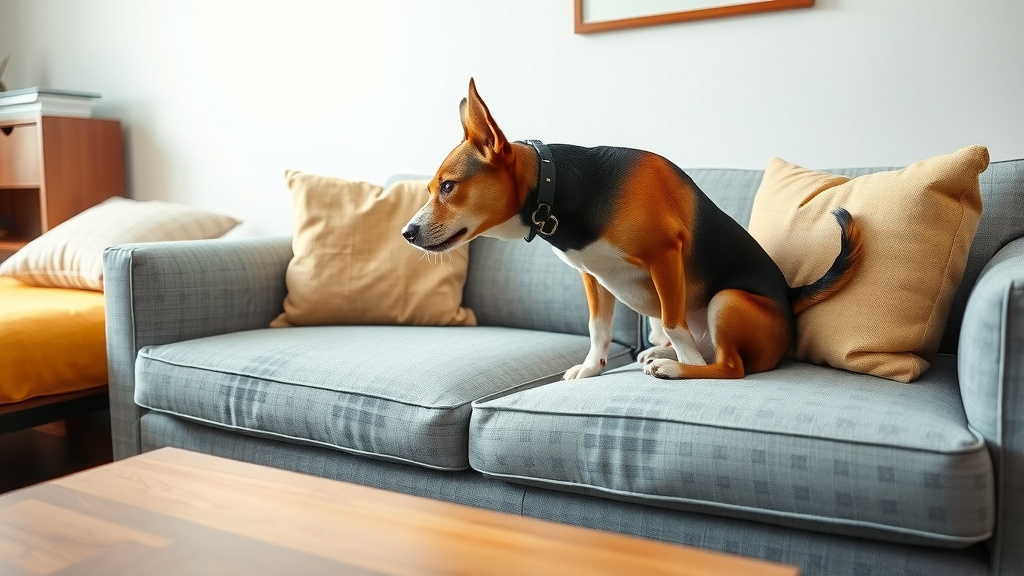
If your dog jumps up, calmly say “Off” or “Down.” Gently help them off. As soon as their paws hit the floor, praise them and immediately guide them to their mat. Reward them for going to their mat. This teaches them that staying on the floor or their mat earns rewards.
Consistent Reinforcement of Good Behavior
Catch your dog being good! Whenever you see your dog relaxing on the floor or in their bed, offer praise and a small treat. This positive reinforcement is incredibly powerful. It shows them exactly what you want them to do.
Reward Calmness
Reward your dog for choosing their bed over the sofa. When they’re calm and settled on their mat, it’s a perfect opportunity to reinforce the desired behavior. This can be as simple as a quiet word of praise or a gentle pat. We found that even small rewards can make a big difference.
Consistency is Key: A Quick Checklist
To make sure your training efforts pay off, remember these crucial points:
- Always redirect jumping attempts.
- Consistently reward off-sofa behavior.
- Use the “Place” command regularly.
- Manage the environment when unsupervised.
- Ensure their dog bed is appealing.
- Be patient and keep training sessions short.
Conclusion
You now have a solid plan to help your dog learn that the sofa is off-limits. Remember, patience and consistency are your greatest allies. By providing an appealing alternative, teaching a “Place” command, and managing your environment, you are guiding your dog towards better behavior. Redirecting them with positive reinforcement helps them understand your expectations clearly. Celebrate small victories, and you’ll soon find your furry friend happily resting in their designated spot, respecting your boundaries.
Frequently Asked Questions
My dog still jumps on the sofa even after I tell them “Off.” What else can I do?
If your dog continues to jump, ensure you are immediately redirecting them to their mat or bed. We found that pairing the “Off” command with a gentle physical cue to guide them off can be helpful. Reward them generously once their paws hit the floor and they move towards their designated spot. Consistency is key here; repeat this every single time.
Is it okay to put physical barriers on the sofa, like upside-down laundry baskets?
Yes, physical barriers can be very effective for management. We’ve seen that placing items like upside-down laundry baskets or large plastic mats on the sofa when you’re not supervising can prevent your dog from practicing the unwanted behavior. This helps them learn to avoid the sofa altogether when it’s made inaccessible.
How long does it usually take to train a dog to stay off the sofa?
Training timelines vary greatly depending on your dog’s age, breed, temperament, and your consistency. Some dogs pick it up within a few weeks, while others might take a couple of months. We advise focusing on progress, not perfection, and celebrating every step your dog makes towards the desired behavior.
Should I ever scold my dog if they jump on the sofa?
Experts generally recommend avoiding scolding, as it can sometimes create fear or anxiety without teaching the dog what you *want* them to do. Instead, calmly redirect your dog. Research suggests that interrupting the behavior and rewarding them for being in the correct place is more effective than punishment.
What if my dog only jumps on the sofa when I’m not home?
This is where environmental management is critical. When you’re not home to supervise, make the sofa inaccessible. This could mean closing the door to the room, using baby gates, or covering the sofa with deterrents as mentioned in the article. Preventing the habit when unsupervised is easier than breaking it later.