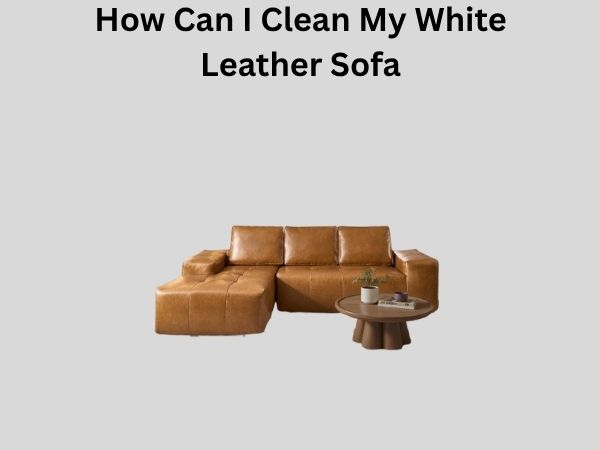
How Can I Clean My White Leather Sofa? Keep It Looking Brand New
There’s something undeniably elegant about a white leather sofa. It transforms any living room into a sophisticated sanctuary, doesn’t it? But here’s the thing—that pristine white surface is also a magnet for dirt, stains, and discoloration. If you’ve ever owned one, you know exactly what I mean. The good news? Cleaning and maintaining your white leather sofa doesn’t have to be complicated or expensive. With the right approach, you can keep it looking absolutely stunning for years to come.
Let me walk you through everything you need to know about caring for your white leather investment. By the end of this guide, you’ll have all the knowledge and confidence you need to tackle any cleaning challenge.
Understanding Your White Leather Sofa Before You Start Cleaning
Before we jump into the cleaning process, it’s crucial to understand what you’re actually working with. White leather is a premium material, and different types require different care approaches. Think of it like washing a luxury car—you wouldn’t use the same technique on a sports car as you would on a regular vehicle.
What Type of Leather Do You Have?
First things first, you need to determine whether your sofa is made from genuine leather or faux leather. This distinction is absolutely vital because the cleaning methods differ significantly. Genuine leather is a natural material with pores, while faux leather is typically synthetic and more resistant to moisture. Check your sofa’s tag or documentation to confirm what you’re dealing with.
Additionally, leather comes in different finishes—some are treated with protective coatings, while others are more porous and absorbent. Your approach to cleaning should reflect this reality.
Why Does White Leather Stain So Easily?
The truth is, white leather shows every single imperfection. A tiny dust particle looks like a mountain, and a small spill becomes a noticeable stain. This isn’t a flaw in the leather itself; it’s simply the nature of light colors. The same principle applies to white carpets or light-colored fabrics. Understanding this helps you set realistic expectations and approach cleaning with more patience and precision.
Gathering the Right Cleaning Supplies
You don’t need a cabinet full of expensive products to clean your white leather sofa effectively. In fact, some of the best cleaning agents are probably already in your home.
Essential Supplies You’ll Need
- Distilled water (tap water contains minerals that can leave residue)
- Mild dish soap or specialized leather cleaner
- Soft microfiber cloths or lint-free cotton cloths
- Soft-bristled brushes for gentle scrubbing
- White vinegar for certain types of stains
- Baking soda for absorbing odors and light stains
- Vacuum with upholstery attachment
- Leather conditioner for maintenance
Optional but Helpful Items
Consider keeping rubbing alcohol on hand for stubborn marks, and invest in a good quality leather cleaner specifically formulated for white leather. These products are pH-balanced and won’t damage the finish. You might also want to purchase leather protectant spray—think of it as insurance for your sofa against future stains.
The Preparation Stage: Getting Ready to Clean
Rushing into cleaning without proper preparation is like painting a wall without taping off the edges—you’ll create more problems than you solve.
Remove Loose Debris First
Start by vacuuming your sofa thoroughly with the upholstery attachment. This removes dust, crumbs, and pet hair that could scratch the leather during cleaning. Pay special attention to crevices and seams where debris accumulates. You’d be surprised how much junk hides in these spaces.
Identify and Assess Stains
Take a moment to examine your sofa closely under good lighting. Different stains require different treatment approaches. Is it an oil-based stain, a water-based stain, or something else entirely? Understanding what you’re dealing with helps you select the appropriate cleaning method. It’s like being a detective—you need to identify the culprit before you can solve the case.
Test Your Cleaning Solution
This step is non-negotiable. Before applying any cleaner to a visible area, test it on a hidden spot first, like the underside of a cushion or the back corner of the sofa. Wait a few minutes and check for discoloration or damage. Better to discover a problem in an inconspicuous area than to ruin the entire visible surface.
The Basic Cleaning Process for White Leather
How to Make Your Own Gentle Cleaner
If you prefer a natural approach, you can create an effective cleaner using ingredients you have at home. Mix one part mild dish soap with ten parts distilled water. The key word here is “mild”—avoid harsh cleaners that can strip the leather’s natural oils and protective coatings.
Alternatively, white vinegar mixed with water in a one-to-one ratio works wonderfully for many types of stains. However, never apply vinegar directly to the leather; always dilute it first. Concentrated vinegar is too acidic and can damage the surface.
Step-by-Step Cleaning Instructions
Follow this systematic approach for best results:
- Dampen your microfiber cloth with your cleaning solution—and I mean dampen, not soak
- Gently wipe the affected area in circular motions
- Work from the outside of the stain toward the center to prevent spreading
- Use a dry cloth to remove excess moisture immediately
- Allow the area to air dry completely before using the sofa
- Repeat if necessary, but be patient and gentle
Remember, leather is a natural material that requires a delicate touch. Aggressive scrubbing is your enemy here.
Tackling Specific Types of Stains
Dealing with Grease and Oil Stains
Oil-based stains are particularly stubborn on white leather because they’re attracted to the material’s natural oils. If you’ve spilled cooking oil, butter, or similar substances, here’s what you should do:
First, resist the urge to immediately wipe it up with water. Instead, blot the stain with a clean, dry cloth to absorb as much of the oil as possible. Then, sprinkle baking soda generously over the stain and let it sit for several hours or even overnight. The baking soda will absorb the remaining oil. Vacuum it up carefully, then treat with your gentle cleaning solution.
Removing Food and Beverage Stains
Coffee, wine, chocolate, and other food stains require a different approach. These are typically water-based stains, so your soap and water solution works perfectly. The key is to act quickly. Fresh stains are always easier to remove than dried ones.
Blot the spill immediately with a white cloth—never use colored cloth as it might transfer dye to the leather. Apply your cleaning solution and work gently. For stubborn marks, white vinegar mixed with water is remarkably effective.
Addressing Ink and Pen Marks
Ink stains are notoriously challenging. For ballpoint pen marks, rubbing alcohol is your best friend. Apply a small amount to a cloth and gently rub the mark. If you’re dealing with permanent marker, the situation is more serious, and you might need professional help.
As a last resort before calling professionals, try hairspray—the alcohol content sometimes helps lift the ink. But please, test it in a hidden area first.
Dealing with Mold and Mildew
White leather stored in damp conditions or exposed to moisture can develop mold or mildew. This is more common than you’d think, especially in humid climates. A solution of equal parts white vinegar and water can help. Apply it, let it sit for a few minutes, then wipe clean.
If the growth is extensive, professional cleaning might be necessary. More importantly, address the underlying moisture issue, or the problem will return.
Conditioning and Protecting Your White Leather Sofa
Why Conditioning Is Just as Important as Cleaning
Cleaning removes dirt, but conditioning restores the leather’s health and flexibility. Think of conditioning like moisturizing your skin—it’s not optional if you want to maintain that healthy appearance. Over time, leather naturally dries out, especially with regular use and cleaning.
A good leather conditioner replenishes the oils that keep the material soft and supple. It also provides some protection against future stains and moisture damage.
How Often Should You Condition?
For a white leather sofa in regular use, conditioning every three to six months is ideal. If you live in a dry climate or use your sofa frequently, aim for the more frequent end of that spectrum. After deep cleaning, always apply conditioner to restore the leather’s natural properties.
Applying Leather Conditioner Properly
Less is more when it comes to conditioning. Apply a small amount to a soft cloth and rub it into the leather in circular motions, working in manageable sections. Buff away any excess with a clean cloth. Over-conditioning can leave your sofa looking greasy and attract dust.
Using Protective Treatments for Long-Term Care
Leather Protectant Sprays
These products create an invisible barrier on your leather’s surface, repelling liquids and preventing stains from setting. Think of it as applying sunscreen to your sofa. Apply protectant spray according to the product instructions, typically after conditioning.
Note that protectant isn’t permanent. You’ll need to reapply every few months, especially on high-use areas like cushions where people actually sit.
Fabric Guards and Alternative Options
Some people swear by fabric guard products designed for leather. Others prefer using a scotchgard treatment specifically formulated for leather. Whichever you choose, make sure it’s appropriate for white leather and follow all instructions carefully.
Prevention: The Best Medicine for Your White Sofa
Daily Habits That Prevent Damage
Prevention is infinitely easier than remediation. Establish some simple habits to keep your white leather sofa pristine:
- Never eat or drink while sitting on the sofa, or at least be extremely careful
- Keep the sofa away from direct sunlight, which can yellow white leather over time
- Avoid placing sharp objects on the sofa that could cause punctures or cuts
- Keep pets off the furniture if possible, or use washable throws
- Maintain consistent humidity levels in your home
- Dust regularly with a soft, dry cloth
Using Protective Accessories
Throw blankets and cushion covers aren’t just decorative—they’re protective layers for your investment. Place them strategically on areas that receive the most use. This simple step can dramatically extend your sofa’s lifespan and appearance.
When to Call the Professionals
Sometimes, despite your best efforts, you need professional help. Extensive staining, deep scratches, or damage to the leather’s finish might require expert attention. Professional cleaners have specialized equipment and products that aren’t available to consumers.
Don’t hesitate to call them if you’re unsure about treating a particular stain or if home remedies aren’t working. Think of it as regular maintenance—sometimes your car needs a professional tune-up too.
Common Mistakes to Avoid
Using Hot Water
Never use hot water on white leather. It opens the pores and can set stains permanently. Lukewarm or cool water is always the better choice.
Rubbing Too Vigorously
Aggressive rubbing damages the leather’s finish and can spread stains. Gentle, patient work always yields better results.
Using Harsh Chemicals
Bleach, acetone, and harsh solvents have no place near your white leather sofa. They’ll strip the finish and potentially discolor the material permanently.
Ignoring the Manufacturer’s Recommendations
Your sofa likely came with care instructions. Follow them. They’re written specifically for your sofa’s material and finish.
Seasonal Maintenance Tips
Different seasons present different challenges. During humid summer months, increase ventilation around your sofa to prevent mold growth. In winter, monitor indoor humidity levels and use a humidifier if your home becomes too dry. Spring is an ideal time for deep cleaning, while fall is perfect for applying fresh protective treatments before the demanding holiday season.
Storage and Moving Tips
If you need to move your white leather sofa, wrap it with protective materials like blankets or moving pads. Never use plastic, as it traps moisture and promotes mold growth. If you’re storing the sofa, ensure the storage area is climate-controlled and well-ventilated.
Conclusion
Keeping your white leather sofa looking brand new is absolutely achievable with the right knowledge and approach. It’s not rocket science—it’s simply a matter of understanding your leather, using gentle cleaning methods, and maintaining consistent care routines. Start with regular dusting and vacuuming, address spills immediately, clean thoroughly every few months, and condition regularly. With these practices, your white leather sofa will remain a stunning centerpiece in your home for years to come.
Remember, patience and gentleness are your greatest tools. Rushing the process or using harsh methods will only create more problems. Take your time, follow the steps outlined in this guide, and you’ll be amazed at how well your sofa maintains its pristine appearance. Your investment deserves the best care, and now you have all the tools to provide it.
Frequently Asked Questions
Can I use regular soap to clean my white leather sofa?
You can use mild dish soap diluted in water, but avoid regular laundry detergent or harsh cleaners. Dish soap like Dawn is gentle enough for leather when properly diluted at a ratio of one part soap to ten parts water. Always test on a hidden area first to ensure it doesn’t damage or discolor your sofa.
How do I remove yellow stains from my white leather sofa?
Yellow stains on white leather often result from spills that have oxidized over time or sun exposure. Try treating the area with a mixture of lemon juice and cream of tartar, which creates a mild abrasive paste. Apply it gently, let it sit for ten minutes, then wipe clean. For stubborn yellowing, professional cleaning might be necessary.
Is it safe to use vinegar on white leather?
White vinegar can be used on leather, but it must be diluted properly. Mix equal parts white vinegar and distilled water, and always test it first. Undiluted vinegar is too acidic and can damage the leather’s surface. Use this solution for water-based stains and mold, but avoid it for everyday cleaning.
![10 Best Compact Sofa Bed [2026]](https://hometopaccesories.com/wp-content/uploads/2026/09/10-best-compact-sofa-bed-2026-featured-768x432.jpg)